

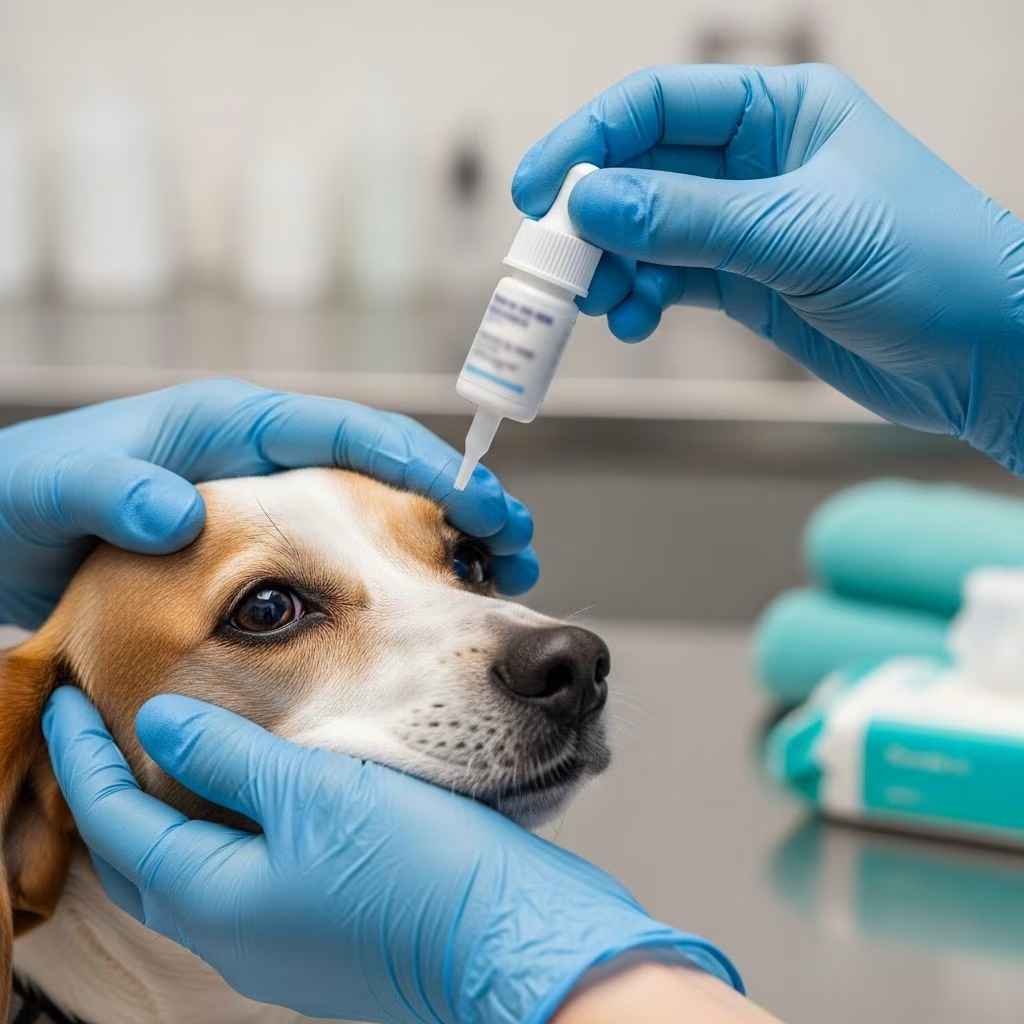
Understanding Neomycin/Polymyxin B/Dexamethasone Ophthalmic for Your Pet
Eye infections and inflammation are common problems that affect both dogs and cats, causing discomfort and potentially compromising vision if left untreated. Veterinarians frequently prescribe neomycin/polymyxin B/dexamethasone ophthalmic, commonly known by the brand name Maxitrol®, to address these ocular issues. This combination medication has proven effective in managing bacterial eye infections and associated inflammation in companion animals. Understanding how this medication works, how to administer it properly, and what to expect during treatment can help pet owners provide optimal care for their animals’ eye health.
What is Neomycin/Polymyxin B/Dexamethasone Ophthalmic?
Neomycin/polymyxin B/dexamethasone ophthalmic is a potent combination medication specifically designed to address multiple aspects of eye infections and inflammation. This formulation contains three active components that work synergistically to combat bacterial infections while reducing inflammation and discomfort.
Components and Mechanism of Action
The medication comprises two broad-spectrum antibiotics and one anti-inflammatory steroid. The neomycin component functions as an aminoglycoside antibiotic that targets gram-positive and gram-negative bacteria by inhibiting their ability to synthesize essential proteins needed for survival and reproduction. Polymyxin B works through a different mechanism, destroying the protective cell membranes of susceptible bacteria, effectively rendering them unable to function. The dexamethasone component, a potent corticosteroid, addresses the inflammatory response by suppressing the immune system’s reaction to infection, thereby reducing swelling, redness, and associated discomfort.
This triple-action approach makes the medication particularly effective for treating complicated eye infections where inflammation is a significant component of the problem. The combination ensures that bacterial pathogens are eliminated while simultaneously providing relief from the painful symptoms associated with ocular inflammation.
Off-Label Use in Veterinary Medicine
It is important to note that neomycin/polymyxin B/dexamethasone ophthalmic is used “off-label” or “extra-label” to treat eye infections in dogs and cats. Off-label use means that the medication, while FDA-approved for human use, is prescribed for veterinary patients at the discretion of a licensed veterinarian. This is a common and accepted practice in veterinary medicine, where many drugs are routinely prescribed for conditions not specifically listed on the label. Pet owners should understand that this usage is considered standard practice and that veterinarians have determined the medication’s safety and efficacy for their animal patients.
Conditions Treated by Neomycin/Polymyxin B/Dexamethasone Ophthalmic
This medication addresses various ocular conditions affecting companion animals. The primary indications include bacterial eye infections, eye inflammation from trauma or infection, and conditions where there is a risk of secondary bacterial infection. The medication is particularly valuable in treating infections caused by susceptible gram-positive and gram-negative bacterial species that commonly affect the canine and feline eye.
Eye infections in pets can result from multiple causes, including environmental factors, trauma, foreign bodies, or underlying systemic diseases. The antibacterial and anti-inflammatory properties of this medication make it suitable for addressing acute infections as well as chronic inflammatory conditions affecting the ocular surface.
How to Administer Neomycin/Polymyxin B/Dexamethasone Ophthalmic
Proper administration technique is critical for ensuring medication efficacy and minimizing the risk of complications. Pet owners must follow their veterinarian’s instructions carefully and maintain strict adherence to the prescribed dosing schedule.
Administration Guidelines
The medication is available in two forms: as drops and as ointments. Both formulations are administered topically, meaning they are applied directly to the eye surface. The choice between drops and ointment depends on the specific condition being treated and the individual pet’s tolerance.
When administering this medication, pet owners should follow these essential steps:
- Wash your hands thoroughly before handling the medication and before touching your pet’s eye
- Examine the dropper or applicator tip to ensure it is clean and free from debris
- Position your pet comfortably, ideally with their head tilted slightly backward to allow the medication to reach the eye surface
- Gently pull down the lower eyelid to create a small pocket
- Apply the prescribed number of drops or a thin line of ointment into the created pocket
- Allow your pet to blink naturally to distribute the medication across the eye surface
- Avoid allowing the dropper tip or applicator to contact the eye surface, eyelashes, or any other surface to prevent contamination and cross-contamination
Multiple Medication Considerations
When pets require treatment with multiple eye medications, proper timing between applications is essential. If administering more than one eye medication to your pet, wait 5 to 10 minutes between each medication application. Additionally, always administer eye drops before eye ointments, as this sequence allows better absorption and prevents the ointment from interfering with drop penetration.
Importance of Completing the Full Treatment Course
One of the most critical aspects of neomycin/polymyxin B/dexamethasone ophthalmic therapy is completing the entire prescribed treatment course, even if your pet’s symptoms improve or resolve before the medication is finished. Pet owners often make the mistake of discontinuing the medication as soon as clinical improvement is noted. Stopping treatment prematurely increases the risk that the infection will recur and may lead to bacterial resistance, making the infection more difficult to treat with this medication in the future.
Potential Side Effects and Adverse Reactions
While neomycin/polymyxin B/dexamethasone ophthalmic is generally well-tolerated in dogs and cats, pet owners should be aware of potential side effects and know when to contact their veterinarian.
Common Side Effects
Most side effects are mild and temporary, typically resolving without intervention as the pet’s eye adjusts to the medication. The most commonly reported adverse effects include:
- Localized irritation or swelling at the application site
- Itching or scratching at the treated eye
- Reddening of the eye or surrounding tissue
- Mild discomfort or grittiness sensation
Rare but Serious Side Effects
While uncommon, certain serious side effects have been documented with this medication. These include allergic reactions manifesting as increased eye swelling, intense itching, or generalized allergic responses. Some animals may experience contact dermatitis or develop a hypersensitivity reaction to one of the medication components. Additionally, prolonged use of steroid-containing eye medications can lead to elevated intraocular pressure, potentially causing glaucoma, vision loss, cataract formation, or thinning of corneal tissues.
Pet owners should contact their veterinarian immediately if they observe any concerning symptoms, including persistent pain, significant swelling that worsens despite treatment, or any changes in their pet’s vision or eye appearance during the treatment period.
Precautions and Important Considerations
Before beginning treatment with neomycin/polymyxin B/dexamethasone ophthalmic, pet owners and veterinarians should discuss several important precautions and considerations.
Allergy and Sensitivity Information
Pets with known allergies to any of the medication components, including neomycin, polymyxin B, dexamethasone, or any ingredients in the specific formulation, should not receive this medication. Allergic reactions can range from mild localized reactions to severe systemic responses. Pet owners should inform their veterinarian of any previous adverse reactions their pet has experienced with similar medications.
Duration of Use Limitations
The steroid component of this medication can cause complications when used for extended periods. Prolonged use of topical steroids in the eye increases the risk of elevated intraocular pressure and secondary glaucoma development, particularly in susceptible individuals. If your veterinarian prescribes this medication for use longer than 10 days, regular eye pressure monitoring becomes essential. Pets with a history of glaucoma or those at risk for elevated intraocular pressure require careful monitoring and may not be appropriate candidates for this medication without additional precautions.
When to Discontinue and Seek Veterinary Care
If pain or swelling in your pet’s eye persists beyond two days of treatment or worsens despite medication use, discontinue the medication and contact your veterinarian immediately. Similarly, if symptoms of infection return after completing the prescribed treatment course, professional evaluation is necessary. These situations may indicate resistance to the medication, an alternative diagnosis, or a complication requiring different therapeutic approaches.
Dosing Information
Dosing of neomycin/polymyxin B/dexamethasone ophthalmic varies depending on the severity of the condition being treated and the specific formulation prescribed. Standard eye drop formulations typically contain 3.5 mg of neomycin, 10,000 units of polymyxin B, and 0.1% dexamethasone per milliliter.
Typical dosing protocols involve instilling 1 to 2 drops in the affected eye four to six times daily for moderate infections. In cases of severe inflammation or acute infection, veterinarians may prescribe more frequent application, such as every hour initially, with gradual reduction to the standard maintenance frequency as clinical improvement is observed. Ointment formulations are generally applied less frequently due to their sustained-release properties and longer contact time with the eye surface.
Drug Interactions
When applied topically to the eye, neomycin/polymyxin B/dexamethasone ophthalmic has minimal systemic absorption and generally does not interact significantly with other medications. However, pet owners should always inform their veterinarian about all medications, supplements, and treatments their pet is receiving. This comprehensive medication history helps the veterinarian make informed decisions about treatment compatibility and monitor for any unexpected interactions.
Storage and Handling
Proper storage of neomycin/polymyxin B/dexamethasone ophthalmic ensures medication stability and effectiveness. Store the medication at room temperature unless otherwise directed by the manufacturer or veterinarian. Protect the medication from light and heat exposure. Always check the expiration date before use and discard expired medication. Once opened, eye medications typically have a limited shelf life; follow your veterinarian’s specific instructions regarding when to replace an open container.
Frequently Asked Questions About Neomycin/Polymyxin B/Dexamethasone Ophthalmic
Q: Can I use this medication in both my dog and cat?
A: Yes, neomycin/polymyxin B/dexamethasone ophthalmic is used off-label in both dogs and cats for treating bacterial eye infections. However, always use the specific dose and formulation prescribed by your veterinarian, as individual animals may require different dosing protocols.
Q: How long does treatment typically last?
A: Treatment duration varies depending on the severity of the infection and the individual pet’s response to therapy. Most acute bacterial eye infections require 7 to 14 days of treatment. Your veterinarian will determine the appropriate treatment length and may extend therapy if necessary.
Q: What should I do if I accidentally miss a dose?
A: If you miss a dose, apply it as soon as you remember. However, if it is almost time for the next scheduled dose, skip the missed dose and continue with the regular dosing schedule. Never double-dose to make up for a missed application.
Q: Can this medication be used preventatively?
A: While this medication can be used to prevent bacterial eye infections in certain situations, such as after ocular surgery or in pets with recurring infections, it should only be used preventatively under veterinary direction. Unnecessary use increases the risk of bacterial resistance and other complications.
Q: What should I do if my pet shows signs of an allergic reaction?
A: If you observe signs of an allergic reaction, such as severe swelling, intense itching, difficulty breathing, or other concerning symptoms, discontinue the medication immediately and contact your veterinarian or emergency veterinary clinic right away.
Q: Is this medication safe for pregnant or nursing pets?
A: Discuss any concerns about use in pregnant or nursing animals with your veterinarian before treatment begins. Your veterinarian can assess the potential risks and benefits for your individual pet’s situation.
Q: How will I know if the medication is working?
A: Signs of improvement typically include decreased redness, reduced discharge or exudate, less squinting or eye discomfort, and improved appearance of the eye surface. However, continue treatment for the full prescribed duration even if improvement is obvious.
References
- Neomycin/Polymyxin B/Dexamethasone Ophthalmic (Eye) Details — WebMD. 2024. https://www.webmd.com/drugs/2/drug-60611/neo-poly-dex-ophthalmic-eye/details
- Neomycin; Polymyxin B; Dexamethasone Eye Ointment — Cleveland Clinic. 2024. https://my.clevelandclinic.org/health/drugs/19181-neomycin-polymyxin-b-dexamethasone-eye-ointment
- Neomycin/Polymyxin B/Dexamethasone Ophthalmic — VCA Animal Hospitals. 2024. https://vcahospitals.com/know-your-pet/neomycinpolymyxin-bdexamethasone-ophthalmic
- Neomycin / Polymyxin B / Dexamethasone – Maxitrol — GoodRx. 2024. https://www.goodrx.com/maxitrol/what-is
- MAXITROL® (neomycin and polymyxin B sulfates and dexamethasone ophthalmic suspension) — U.S. Food and Drug Administration. 2017. https://www.accessdata.fda.gov/drugsatfda_docs/label/2017/050023s036lbl.pdf



