

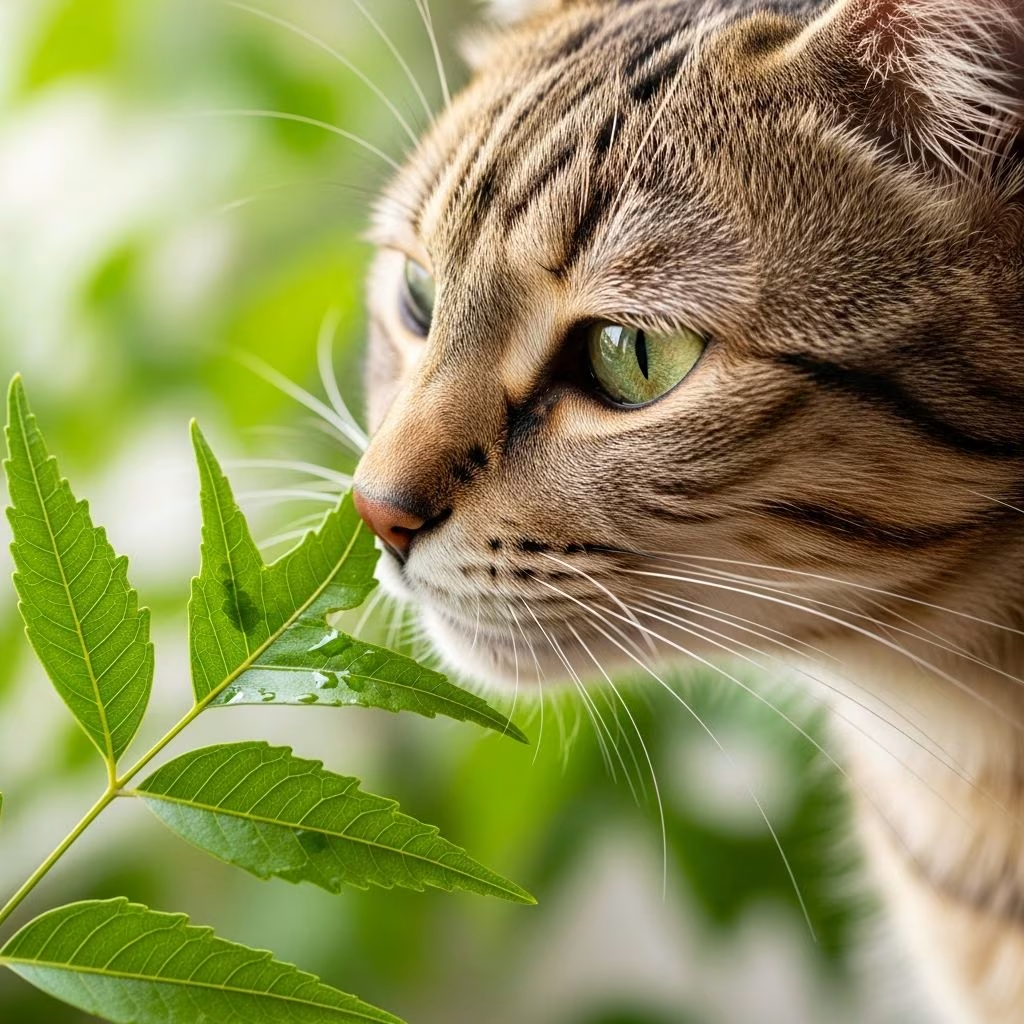
Neem oil has gained significant popularity as a natural remedy across numerous applications, from insect management to skin treatment. Pet owners seeking alternative wellness solutions have increasingly turned to this plant-derived substance, hoping to address common feline health concerns. However, the enthusiasm surrounding neem oil’s purported benefits stands in stark contrast to the limited scientific evidence supporting its use in cats specifically. While this botanical extract continues to generate interest among those preferring natural approaches, veterinary professionals urge caution due to safety considerations that should not be overlooked.
The Rising Popularity of Neem Oil in Pet Care
Neem oil has emerged as a trending natural remedy, promoted for various purposes including flea prevention, ringworm management, and anti-inflammatory benefits. Social media and wellness communities frequently share anecdotal accounts of pet owners successfully using neem oil on their animals. These testimonials have contributed to its growing reputation as a miracle cure for multiple conditions. However, anecdotal evidence differs fundamentally from rigorous scientific investigation. Veterinary professionals distinguish between personal success stories and evidence-based medical data, noting that the latter remains sparse regarding feline safety and efficacy.
What Research Reveals About Neem Oil Toxicity in Cats
A comprehensive study examining neem oil toxicity in felines analyzed 99 cats reported to the Veterinary Poisons Information Service in London between 2001 and 2007. The findings painted a concerning picture. The majority of affected cats developed clinical symptoms including lethargy, excessive drooling, balance impairment, muscle spasms, involuntary twitching, and convulsions. Among these cases, 27 cats recovered completely, five required euthanasia, and two died. While treating veterinarians questioned whether neem oil caused illness in some instances, the pattern of adverse reactions remained notable.
Similar toxicity patterns emerged in animal studies using rats and rabbits, suggesting a consistent mechanism of harm across species. Researchers observed that the toxicity profile resembled permethrin-related poisoning, raising questions about whether product contamination or inherent neem oil properties caused the reactions. This ambiguity underscores the importance of understanding product quality and composition when considering any botanical remedy.
Understanding the Toxicity Mechanism
The precise mechanism explaining how neem oil produces harmful effects in cats remains unclear. Scientists have proposed two competing theories. First, some neem oil products may have been mislabeled or accidentally contaminated with permethrin, a synthetic insecticide toxic to felines. Second, neem oil itself might possess inherent toxic properties affecting cats differently than other species. This uncertainty intensifies veterinary hesitation, as treating toxicity becomes more challenging when the underlying cause remains unknown.
Cats possess unique metabolic characteristics that render them more sensitive to certain substances than dogs or other animals. Their liver function and detoxification pathways differ significantly from other species, potentially explaining heightened vulnerability to neem oil exposure. Additionally, feline grooming behavior means topical applications inevitably reach the digestive tract through ingestion, compounding exposure risks.
Official Toxicity Classifications and Regulatory Status
The American Society for the Prevention of Cruelty to Animals (ASPCA) does not formally classify neem oil as toxic to cats. However, this absence of official toxicity designation does not equate to safety approval. The ASPCA’s classification system identifies substances confirmed as poisonous based on available evidence. Neem oil’s lack of formal listing reflects insufficient research rather than confirmed safety. Veterinary organizations globally maintain a cautious stance, recommending avoidance pending accumulation of rigorous safety data.
This distinction proves crucial for pet owners interpreting information. A substance not listed as toxic differs meaningfully from a substance proven safe. The regulatory landscape continues evolving as new research emerges, but current guidance emphasizes precaution over experimentation.
Documented Health Risks and Adverse Reactions
Reports of neem oil-related health problems in cats span multiple clinical presentations:
- Neurological symptoms including tremors, loss of coordination, and convulsive episodes
- Gastrointestinal disturbances manifesting as vomiting, diarrhea, and appetite changes
- Excessive salivation and drooling
- Respiratory distress in severe cases
- Lethargy and general malaise
- Skin irritation at application sites
These symptoms may appear rapidly after exposure or develop gradually depending on concentration and individual sensitivity. Recovery timelines vary significantly, with some cats recuperating within one to five days while others experience prolonged illness. The unpredictable nature of individual responses makes risk assessment challenging for pet owners.
Concentration and Formulation Concerns
The safety profile of neem oil products depends heavily on formulation specifics. Undiluted neem oil poses greater risks than properly diluted versions, particularly regarding skin irritation. Concentrations matter tremendously, as does the presence of additional ingredients. Many commercial neem oil products combine the extract with other substances including essential oils, DEET, citronella, or synthetic pesticides. These combinations compound potential toxicity. Products labeled as natural do not necessarily indicate safer formulations; individual ingredients require individual safety evaluation.
The lack of standardized manufacturing and quality control in the neem oil market creates additional uncertainty. Products with identical labels may contain varying concentrations and purity levels depending on suppliers and production methods. This inconsistency makes predicting individual cat responses exceptionally difficult.
Comparing Safety Data Between Species
Neem oil has been used more extensively on dogs and horses than cats, with these species generally tolerating it within reasonable safety margins. However, cats differ physiologically in ways that may increase vulnerability. Feline metabolism processes certain compounds differently, and grooming behavior ensures higher ingestion rates of topically applied substances. Extrapolating safety data from dogs to cats proves problematic and potentially dangerous.
Exploring Alternative Flea and Parasite Management
Veterinary professionals emphasize that multiple safe, effective, and regulated alternatives exist for managing flea infestations and parasite control in cats. These evidence-based options include:
- Prescription topical treatments specifically formulated for feline use
- Oral medications administered under veterinary supervision
- Collar technologies utilizing modern insecticidal compounds
- Injectable preventative medications
- Monthly medicated protocols recommended by veterinarians
These conventional treatments have undergone rigorous safety and efficacy testing in feline populations. They provide reliable protection with predictable outcomes, unlike herbal alternatives lacking substantial clinical evidence. Veterinarians can recommend specific products tailored to individual cats’ health profiles and circumstances.
When to Seek Veterinary Care After Neem Oil Exposure
Pet owners who have already applied neem oil to their cats or suspect exposure should contact veterinary professionals promptly if symptoms develop. Warning signs necessitating immediate attention include vomiting, diarrhea, excessive salivation, lethargy, respiratory distress, tremors, or convulsions. Even if symptoms seem mild, professional evaluation ensures early intervention and appropriate supportive care.
Veterinarians can provide activated charcoal or other decontamination methods if administration occurred recently. They may recommend monitoring protocols, symptomatic treatment, or hospitalization depending on severity. Providing information about the neem oil product used—including concentration, volume applied, and time of exposure—helps veterinarians guide treatment decisions.
Making Informed Decisions About Pet Health Products
The appeal of natural remedies reflects understandable desire for gentle, effective pet care. However, natural origin does not guarantee safety or efficacy. Pet owners should approach any new treatment with critical evaluation, examining available evidence rather than relying on popularity or anecdotal reports.
Questions worth asking include: Has this product undergone formal safety testing in cats? Do peer-reviewed studies support its use? What regulatory approvals exist? What do veterinary organizations recommend? These inquiries provide framework for distinguishing between evidence-based care and unproven alternatives. Consulting veterinarians before implementing new treatments represents the most prudent approach, ensuring recommendations align with current scientific understanding.
Understanding Individual Risk Factors
Certain cats may face heightened vulnerability to adverse reactions. Kittens, elderly cats, and those with underlying health conditions face increased risks. Cats receiving medications may experience dangerous interactions with neem oil or its components. Pre-existing liver or kidney dysfunction could impair toxin metabolism and elimination. Pregnant or nursing cats require special consideration, as effects on developing or nursing offspring remain undocumented.
The Gap Between Popular Belief and Scientific Evidence
Substantial disconnect exists between neem oil’s reputation and actual documented evidence supporting its use in felines. While certain components like azadirachtin and nimbin possess theoretical properties that might address various conditions, no studies conclusively demonstrate effectiveness in treating ringworm, mange, or other feline conditions. The absence of efficacy evidence combines with documented safety concerns to create a risk-benefit calculation favoring avoidance.
Frequently Asked Questions About Neem Oil and Cats
Is neem oil completely banned for cats? No official ban exists, but veterinary guidance strongly recommends avoiding it due to safety concerns and limited research in felines specifically.
Can I use diluted neem oil on my cat? Even diluted formulations carry risks given the limited safety data. Consulting a veterinarian before any application remains essential.
How long do neem oil toxicity symptoms last? Recovery timelines vary from one to five days in most cases, though some cats experience prolonged illness or fatal outcomes.
What should I do if my cat ingests neem oil? Contact your veterinarian or emergency animal hospital immediately for guidance and potential decontamination treatment.
Are there natural flea treatments safe for cats? While truly safe natural alternatives remain limited, veterinary-approved products provide reliable protection without documented toxicity risks.
Building a Comprehensive Feline Wellness Strategy
Responsible pet ownership involves choosing treatments based on evidence and professional guidance rather than trends. Regular veterinary checkups allow professionals to monitor feline health, address parasites proactively, and recommend appropriate preventative measures. Blood testing every three to six months helps detect parasitic infections or disease early, enabling more effective and affordable treatment when needed. This proactive approach proves far superior to experimenting with unproven remedies.
Creating a wellness plan with veterinary input ensures cats receive comprehensive care addressing their individual needs. Such plans incorporate proven preventative measures, appropriate medications, nutritional support, and environmental enrichment—all evidence-based components contributing to optimal health outcomes.
Concluding Thoughts on Neem Oil and Feline Safety
While neem oil continues circulating through wellness communities as a natural solution for multiple ailments, evidence in feline medicine does not support its use. Documented toxicity cases, unknown mechanisms of harm, individual variation in response, and the availability of proven alternatives collectively argue against neem oil application on cats. The principle of primum non nocere—first, do no harm—should guide pet care decisions, particularly when safer options exist.
Pet owners genuinely seeking the best for their feline companions will prioritize veterinary guidance over popular trends. Professional advice incorporates current research, individual cat considerations, and established safety protocols. Should questions arise about any treatment or remedy, consulting qualified veterinarians provides the most reliable path toward informed decision-making and optimal feline health outcomes.
References
- Apparent adverse reactions to neem (margosa) oil in cats — Veterinary Record, Vol. 164, No. 19. May 9, 2009. https://doi.org/10.1136/vr.164.19.592
- Neem Oil Fact Sheet — National Pesticide Information Center (NPIC), Oregon State University. https://npic.orst.edu/factsheets/neemgen.html
- Neem Oil for Pets: Is It Safe? — PetMD. https://www.petmd.com/dog/wellness/neem-oil-pets-it-safe
- Is Neem Oil Poisonous to Cats? What You Need to Know! — Catster. https://www.catster.com/cat-health-care/is-neem-oil-poisonous-to-cats/



