

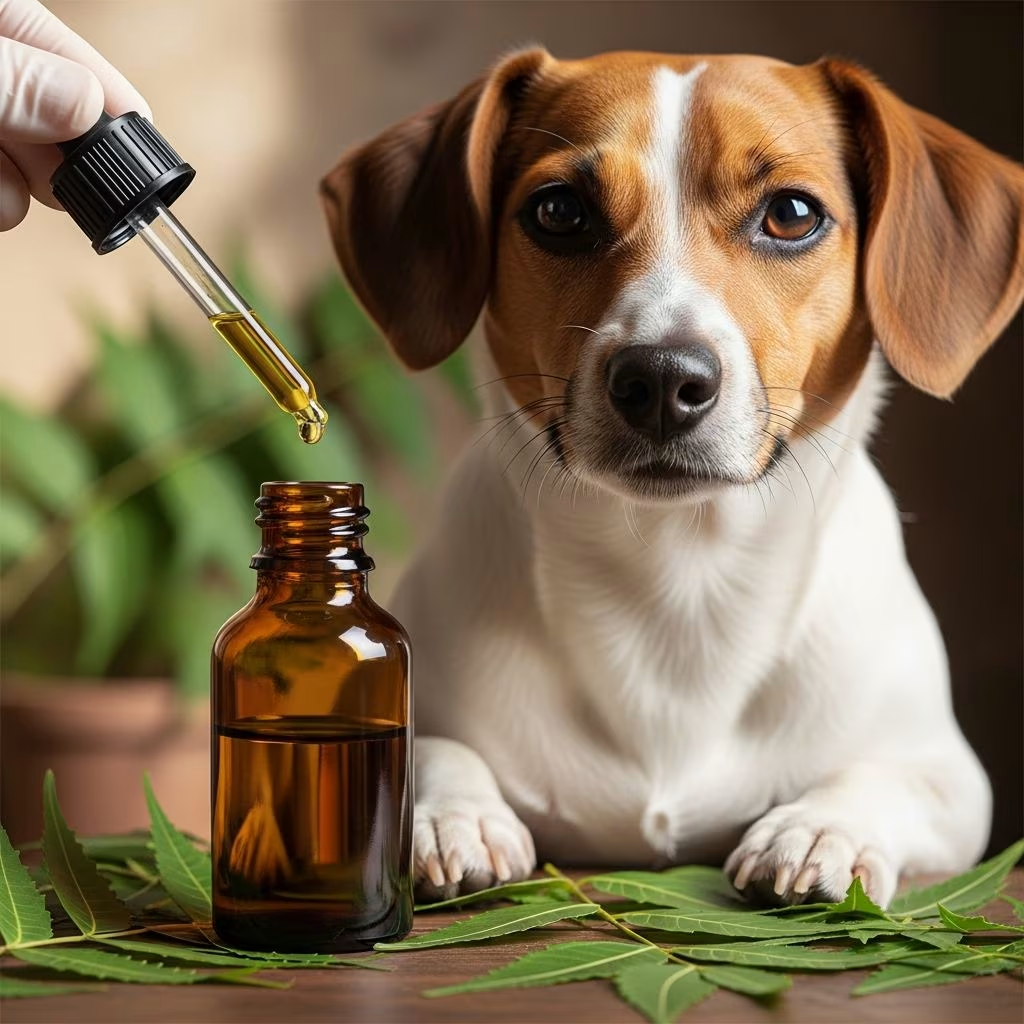
Neem oil, extracted from the seeds of the neem tree, offers potential benefits for canine skin health and pest deterrence when applied correctly. However, its safety depends on proper dilution, targeted topical use, and strict avoidance of ingestion.
Understanding Neem Oil and Its Canine Applications
Derived from Azadirachta indica, neem oil contains azadirachtin, a compound with insect-repelling and anti-inflammatory properties. Dog owners often turn to it for managing fleas, ticks, hot spots, and dry skin as a natural alternative to synthetic products.
Topical application is the primary recommended method, targeting areas prone to parasites like the base of the tail, neck, and ears. Its antifungal and antibacterial qualities may soothe minor irritations, but it is not a cure-all and should complement professional veterinary care.
Key Benefits for Your Dog’s Skin and Coat
- Pest Control: Repels fleas, ticks, and mites by disrupting their life cycles without immediate killing action.
- Skin Relief: Reduces itching from allergies or infections through its soothing emollient effects.
- Coat Conditioning: Moisturizes dry fur, promoting shine when blended into shampoos.
- Antimicrobial Action: Helps combat yeast and bacterial overgrowth on the skin surface.
These advantages stem from traditional uses backed by preliminary studies, though robust clinical trials in veterinary science remain limited.
Essential Safety Protocols Before Use
Always prioritize a veterinary consultation, especially for dogs with pre-existing conditions, medications, or sensitivities. Not all dogs tolerate botanicals equally.
| Factor | Safe Practice | Risk if Ignored |
|---|---|---|
| Dilution | 1:10 ratio with carrier oil | Skin burns or irritation |
| Application Site | Intact skin only | Infection worsening |
| Ingestion Prevention | Use cone if licking | Vomiting, drooling |
| Sensitive Groups | Avoid puppies, pregnant | Developmental harm |
Conduct a patch test: Apply diluted oil to a small abdominal area and monitor for 24-48 hours for redness, swelling, or scratching.
Step-by-Step Dilution and Application Guide
- Select Quality Oil: Opt for cold-pressed, organic neem oil to preserve azadirachtin without solvent residues.
- Dilute Properly: Combine 1 teaspoon neem oil with 10 teaspoons carrier oil (e.g., coconut, jojoba, or olive). This yields a 1-2% solution safe for most dogs.
- Prepare the Area: Clean and dry the dog’s skin. Avoid broken skin, wounds, or mucous membranes.
- Apply Sparingly: Massage a few drops into affected zones. For repellency, focus on parasite hotspots.
- Post-Application Care: Distract the dog for 20-30 minutes to prevent licking. Use an Elizabethan collar if needed. Place on a towel to absorb excess.
- Rinse if Needed: For shampoo blends, lather, wait 5-10 minutes, then rinse thoroughly.
Frequency: Limit to 1-2 times weekly to avoid buildup or sensitization.
Recognizing and Managing Potential Side Effects
Most dogs experience no issues with correct use, but watch for:
- Local reactions: Redness, itching, or rash at application site.
- Gastrointestinal signs: Excessive salivation, vomiting, or diarrhea from accidental ingestion.
- Systemic effects: Rare lethargy or appetite loss in sensitive cases.
If symptoms appear, discontinue immediately, bathe the dog with mild shampoo, and seek vet care. ASPCA notes neem is not classified as toxic, but caution is advised.
Special Considerations for Vulnerable Dogs
Puppies: Under 8 weeks, avoid due to immature skin barriers and higher absorption risks.
Pregnant or Nursing: Neem may disrupt hormones, affecting fertility or fetal development—strictly prohibited.
Breeds with Sensitive Skin: Bulldogs, Shar-Peis, or those with allergies need extra dilution or alternatives.
Concurrent Treatments: Check for interactions with meds like steroids or antifungals.
Alternatives to Neem Oil for Common Issues
| Issue | Neem Oil Use | Alternatives |
|---|---|---|
| Fleas/Ticks | Topical repellent | Fipronil, essential oil sprays (vet-approved) |
| Hot Spots | Antibacterial soothe | Chlorhexidine wipes, hydrocortisone cream |
| Dry Skin | Moisturizer | Oatmeal baths, fish oil supplements |
| Mites | Anti-parasitic | Ivermectin (prescription), lime sulfur dips |
These options provide targeted relief; integrate with flea preventives for comprehensive care.
Environmental and Household Uses Around Dogs
Neem oil excels as a garden spray for pest control on plants. Allow full drying (2-4 hours) before dogs access treated areas to prevent paw licking or residue ingestion. This indirect method poses minimal risk while protecting yards.
Common Myths and Facts
- Myth: Neem oil is a complete flea killer. Fact: It repels and disrupts but doesn’t eradicate infestations alone.
- Myth: Undiluted is fine for tough skin. Fact: Causes irritation regardless.
- Myth: Safe for internal use. Fact: Toxic if swallowed; topical only.
Frequently Asked Questions (FAQs)
Can I use neem oil in my dog’s shampoo?
Yes, add 1-2 teaspoons per 16 oz shampoo. Shake well, apply, and rinse after 10 minutes.
Is neem oil safe for cats too?
Exercise greater caution; cats groom excessively, increasing ingestion risk. Vet guidance essential.
How long does the repellent effect last?
Typically 1-7 days, depending on weather and dog activity. Reapply as needed.
What if my dog licks a small amount?
Monitor for drooling or vomiting. Mild cases pass; severe require vet attention.
Where to buy reliable neem oil?
Choose USDA organic, cold-pressed from reputable pet or health suppliers.
Integrating Neem into Holistic Pet Care
Combine with diet improvements like omega-3s, regular grooming, and environmental cleanliness for optimal skin health. Track progress with photos and notes to assess efficacy.
While promising, neem is part of a broader toolkit. Persistent issues demand professional diagnostics to rule out allergies, infections, or endocrine disorders.
References
- Is Neem Oil Safe for Dogs? — Whole Dog Journal. 2023. https://www.whole-dog-journal.com/health/is-neem-oil-safe-for-dogs/
- Neem Oil for Dogs: Is It Safe and How to Use It Properly? — PetPlace. 2024. https://www.petplace.com/article/dogs/pet-care/neem-oil-for-dogs
- Neem Oil for Dogs: A Vet Approved Safety Guide for 2025 — AskAVet. 2025. https://askavet.com/blogs/news/neem-oil-for-dogs-a-vet-approved-safety-guide-for-2025-%F0%9F%90%B6
- Is Neem Oil Safe for Dogs? — Pest Control California. 2024. https://pestcontrolcalifornia.us/is-neem-oil-safe-for-dogs/
- Neem Oil for Dogs: Itchy Skin and Coat Care — HBNO Bulk. 2024. https://www.hbnobulk.com/blogs/natural-essential-oils/neem-oil-for-dogs-skin-benefits-uses-how-to-relieve-itchy-skin
- Neem Oil for Pets: Is It Safe? — PetMD. 2024. https://www.petmd.com/dog/wellness/neem-oil-pets-it-safe



