

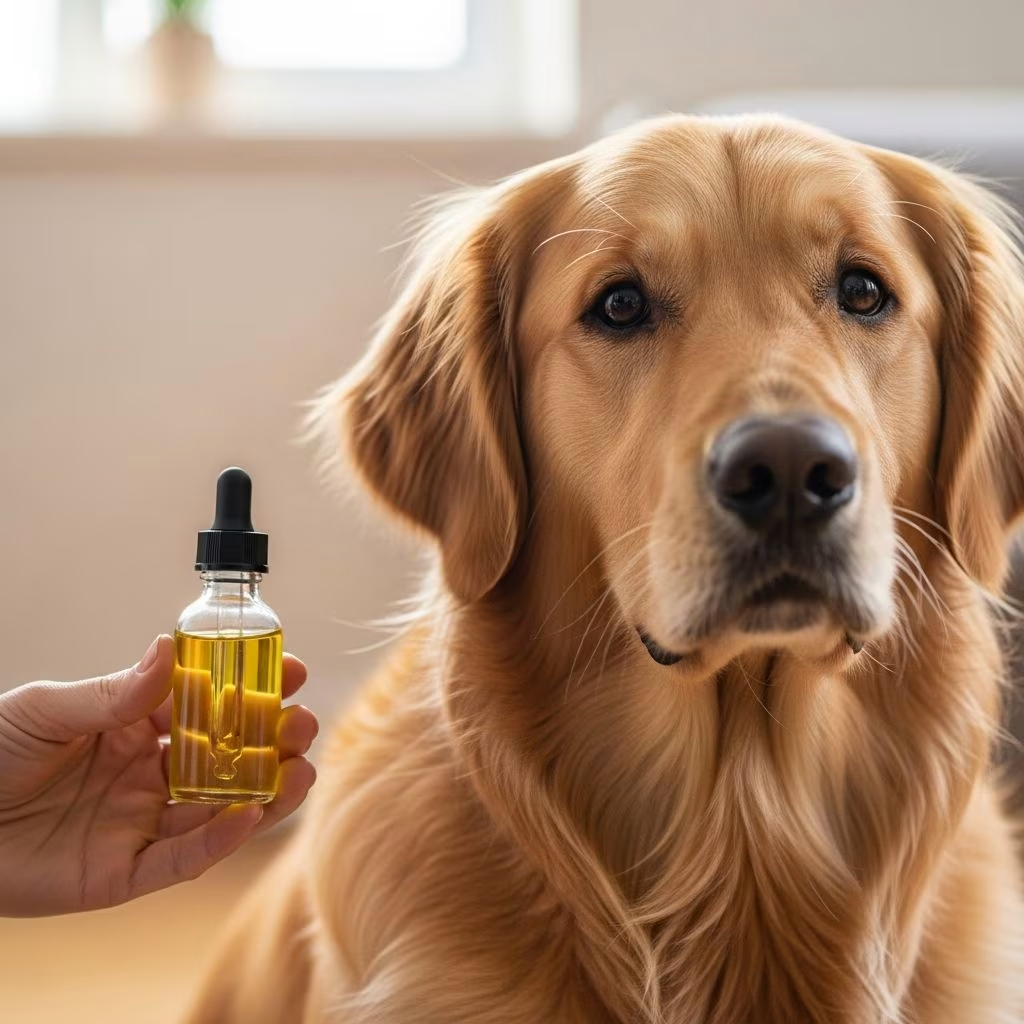
Neem oil, derived from the seeds of the neem tree, offers a natural solution for various canine skin issues, from persistent itching to parasite infestations. This versatile oil harnesses antimicrobial, anti-inflammatory, and insect-repelling properties to support your dog’s dermatological health without harsh chemicals.
Understanding Neem Oil and Its Origins
Originating from the Azadirachta indica tree native to India, neem oil has been utilized in traditional medicine for centuries. For dogs, it provides essential fatty acids, antioxidants, and vitamin E that nourish the skin and coat. These components work synergistically to hydrate dry areas, reduce flakiness, and enhance overall fur luster. Unlike synthetic treatments, neem oil’s natural composition minimizes the risk of adverse reactions when properly diluted.
Research highlights its efficacy; for instance, studies on canine atopy demonstrate significant improvements in clinical signs like redness and scratching after topical application. This makes it a promising option for owners seeking holistic alternatives.
Key Advantages for Canine Skin and Coat Health
Neem oil addresses multiple dermatological challenges common in dogs. Its rich profile of bioactive compounds delivers targeted relief.
- Moisturizes and Repairs Dry Skin: Ideal for seasonal dryness or environmental irritants, it forms a protective layer that retains moisture, preventing cracks on paws and elbows.
- Combats Microbial Infections: Effective against bacteria, fungi, and viruses causing conditions like pyoderma or ringworm, promoting quicker recovery.
- Reduces Inflammation: Anti-inflammatory agents calm swelling and redness from allergies or hot spots, easing discomfort rapidly.
Beyond surface-level care, regular use strengthens hair follicles, leading to a shinier, more resilient coat resistant to environmental stressors.
Natural Defense Against Parasites
One of neem oil’s standout features is its ability to deter fleas, ticks, mites, and mosquitoes. The oil interferes with insect life cycles, repelling them and preventing egg hatching on your dog’s fur. This non-toxic approach contrasts with chemical spot-ons, offering sustained protection through topical sprays or shampoos.
For dogs in high-infestation areas, weekly applications can significantly lower parasite loads, reducing the itching and secondary infections they provoke.
Practical Application Methods
Safe use requires dilution to avoid irritation. Always perform a patch test on a small area first, monitoring for 24 hours.
Direct Topical Treatment
Mix 1 part neem oil with 10 parts carrier oil like coconut or jojoba. Massage into affected areas daily, avoiding eyes and mucous membranes. For hotspots, apply sparingly after cleaning the site.
Enhanced Shampoo Formula
Add 10 drops of neem oil per ounce of pet shampoo. Lather thoroughly, let sit for 5 minutes, then rinse. Use 2-3 times weekly for ongoing maintenance.
Bath Soak Therapy
Incorporate 1-2 tablespoons into bathwater. Allow your dog to soak for 10 minutes before rinsing. This method suits widespread irritation.
| Method | Dilution Ratio | Frequency | Best For |
|---|---|---|---|
| Topical Massage | 1:10 | Daily | Localized itching |
| Shampoo Additive | 10 drops/oz | 2-3x/week | Full coat protection |
| Bath Soak | 1-2 tbsp/bath | Weekly | Body-wide relief |
Safety Considerations and Potential Risks
While generally safe, neem oil isn’t suitable for all dogs. Puppies under 8 weeks, pregnant or nursing females, and those with liver issues should avoid it. Overuse can lead to greasiness or mild gastrointestinal upset if ingested during grooming.
Signs of sensitivity include increased redness, lethargy, or drooling. Discontinue immediately and consult a vet. Oral administration is not recommended without professional guidance due to toxicity risks in high doses.
Scientific Backing and Veterinary Perspectives
Peer-reviewed studies affirm neem oil’s role in managing atopic dermatitis in dogs, showing marked reductions in severity scores for itching and lesions compared to controls. Veterinary sources note its topical safety for repelling insects and supporting skin barrier function.
Experts recommend integrating it into routines alongside flea preventatives, but always under vet supervision, especially for chronic conditions.
Comparing Neem Oil to Conventional Treatments
| Aspect | Neem Oil | Chemical Alternatives |
|---|---|---|
| Insect Repellent | Natural, disrupts life cycle | Fast-kill, potential resistance |
| Skin Soothing | Moisturizing, anti-inflammatory | Steroids, risk of thinning |
| Safety Profile | Low toxicity when diluted | Possible organ strain |
| Cost | Affordable long-term | Recurring prescriptions |
Neem oil excels in preventive care, complementing rather than replacing vet-prescribed therapies.
Frequently Asked Questions
Can all dogs use neem oil?
Most adult dogs tolerate it well when diluted, but consult a vet for seniors, puppies, or those with health conditions.
How quickly does it relieve itching?
Many owners notice improvement within 1-3 days of consistent use, though severe cases may take longer.
Is neem oil safe if my dog licks it?
Small amounts are generally harmless, but prevent ingestion by applying to hard-to-reach areas and distracting post-application.
Where can I source quality neem oil?
Opt for cold-pressed, organic varieties from reputable suppliers to ensure purity and potency.
Does it work on mange?
Its antiparasitic properties help with mange mites, but combine with vet treatments for best results.
Integrating Neem Oil into Your Dog’s Routine
Start with bi-weekly shampoos during peak parasite seasons, transitioning to maintenance as needed. Pair with a balanced diet rich in omega fatty acids for amplified skin benefits. Track progress with photos to adjust applications.
For multi-pet households, treat all animals simultaneously to prevent reinfestation. Seasonal use in summer maximizes repellent effects against ticks and fleas.
Long-Term Benefits and Holistic Approach
Consistent neem oil use fosters resilient skin, fewer vet visits, and reduced reliance on pharmaceuticals. It aligns with holistic pet care, emphasizing prevention over reaction. Owners report glossier coats and calmer dispositions in treated dogs.
Monitor environmental factors like pollen or diet that exacerbate issues, using neem as part of a broader strategy.
References
- A study of effect of neem oil on clinical signs of canine atopy — PMC/NCBI. 2013-10-01. https://pmc.ncbi.nlm.nih.gov/articles/PMC3800901/
- Is Neem Oil Safe for Dogs? — Whole Dog Journal. 2023-01-15. https://www.whole-dog-journal.com/health/is-neem-oil-safe-for-dogs/
- Neem Oil for Pets: Is It Safe? — PetMD. 2024-05-20. https://www.petmd.com/dog/wellness/neem-oil-pets-it-safe
- The Safety of Neem Oil in Natural Dog Shampoo — 4-Legger. 2023-08-10. https://www.4-legger.com/blogs/fetch-the-dog-blog/the-safety-of-neem-oil-in-natural-dog-shampoo-what-you-need-to-know
- What is Neem Anyway? Using Neem Oil with Dogs — WagWalking. 2022-11-05. https://wagwalking.com/wellness/what-is-neem-anyway-using-neem-oil-with-dogs



