

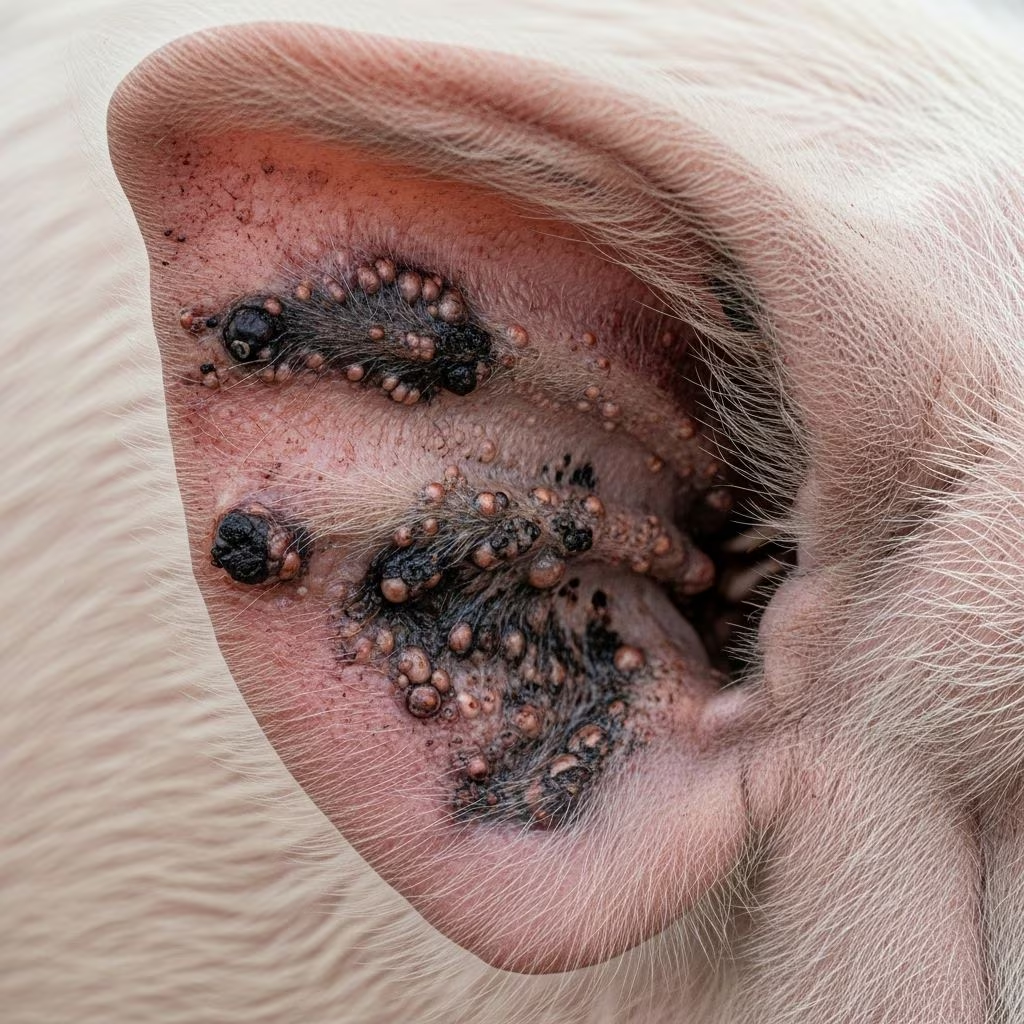
Necrotic ear syndrome, also known as porcine ear necrosis, affects swine particularly in intensive production environments, leading to painful lesions on the ear tips and margins that can result in tissue loss and secondary infections.
Recognizing the Signs of Ear Damage in Swine Herds
The condition typically begins with subtle changes on the outer edges of the pig’s ears. Initial symptoms include small blisters or vesicles that rupture to form erosions, often covered by thin, brownish crusts. These early stages may accompany mild swelling or redness around the affected areas. As the disease advances, lesions deepen into moist, exudative ulcers with thicker crusts, potentially progressing to full-thickness necrosis where ear tissue blackens and sloughs off.
In affected herds, pigs may show unilateral or bilateral involvement, with tips or entire margins lost in severe cases. Beyond local damage, animals often appear unthrifty, exhibiting reduced feed intake, weight loss, fever, lameness from septic arthritis, or even sudden death due to systemic bacterial spread. Lesions are most common in weaned piglets aged 6-8 weeks, persisting visibly up to 14-16 weeks.
Bacterial Culprits Behind the Tissue Destruction
Multiple bacteria contribute to the progression of necrotic ear syndrome. Early superficial lesions frequently harbor high levels of Staphylococcus hyicus, which produces exfoliative toxins that damage the skin barrier. Studies from Canadian farms reported S. hyicus in 66% of ear biopsies and Staphylococcus aureus in 91%, indicating their widespread presence.
Deeper ulceration correlates with beta-hemolytic streptococci invading tissues, causing vasculitis, blood clotting, oxygen deprivation, and eventual necrosis. Other microbes like spirochetes (Treponema spp.), Mycoplasma suis, and occasionally Salmonella have been implicated, especially in cases with circulatory issues. Recent research from the University of Saskatchewan identifies an opportunistic bacterium as a primary driver, with a developed vaccine reducing clinical signs by about 50%.
Environmental and Management Triggers
Non-infectious factors play a critical role in initiating and worsening ear necrosis. Ear biting, often triggered by mixing unfamiliar pigs, overcrowding, or boredom, creates entry points for bacteria. Intensive systems with fully slatted floors lacking straw, poor ventilation, high humidity, drafts, and limited access to waterers or feeders exacerbate the problem.
- High stocking density: Increases aggression and fighting, leading to more bites.
- Poor air quality: High ammonia levels irritate skin and stress pigs.
- Feed issues: Mycotoxins or lysine deficiencies weaken immunity and skin integrity.
- Early weaning: Heightens stress and vice biting behaviors.
Viral co-infections, such as porcine circovirus type 2 (PCV2) and porcine reproductive and respiratory syndrome virus (PRRSV), impair immune responses, making pigs more susceptible.
Risk Assessment Across Production Systems
Prevalence fluctuates widely, from 30-70% between farms and countries, peaking in nursery phases of intensive operations. Factors like genetics may influence susceptibility, though evidence is preliminary. Circulatory disturbances from ergot alkaloids in contaminated feed or infections like salmonellosis or erysipelas can mimic or compound bacterial necrosis, presenting as straight-line demarcations across ears.
| Risk Factor | Impact Level | Prevalence Association |
|---|---|---|
| Ear biting / aggression | High | Strong (initiation) |
| PCV2 infection | High | Moderate (reduces with vaccination) |
| Slatted floors, no straw | Medium | High in intensive systems |
| Poor ventilation/humidity | Medium | Variable |
| Mycotoxins in feed | Low-Medium | Occasional outbreaks |
Diagnostic Approaches for Field Veterinarians
Diagnosis relies primarily on visual inspection of characteristic lesions: from vesicular starts to crusted ulcers and necrotic sloughing. Differentiate from frostbite (symmetric, cold-weather linked), sarcoptic mange (itching, body-wide), or erysipelas (diamond skin lesions). Confirm with biopsies showing bacterial invasion, thrombosis, and ischemia. Culture swabs reveal S. hyicus early and streptococci later. Systemic signs like arthritis warrant bloodwork for septicemia.
Histology displays epidermal damage, dermal inflammation, vessel occlusion, and tissue death, supporting the multifactorial pathogenesis.
Practical Treatment Strategies
Treatment targets bacterial control and wound protection. Isolate severely affected pigs in hospital pens to prevent further biting. Administer systemic antibiotics like amoxicillin, amoxicillin-clavulanate, or sulfadiazine-trimethoprim for 2 weeks to halt progression.
Topical iodine or antiseptics on early lesions can resolve mild cases without antibiotics. Supportive care includes pain relief, improved nutrition, and monitoring for arthritis. No therapy reverses advanced necrosis; dead tissue auto-amputates cleanly if secondary infection is controlled.
Prevention: Building Resilient Herds
Proactive management slashes incidence. Key pillars include:
- Vaccination: Against PCV2 significantly lowers cases; emerging vaccines target causative bacteria.
- Housing optimization: Ensure ample space (avoid overcrowding), straw bedding, functional drinkers/feeders, and draft-free ventilation.
- Minimize mixing: Stable groups reduce fighting; enrich pens to curb biting.
- Feed quality: Test for mycotoxins, balance lysine; clean water sources.
- Monitoring: Early detection and topical care prevent escalation.
PRRSV vaccination and sanitation further bolster defenses. Recent USask trials show vaccine efficacy in cutting symptoms by half, promising commercial rollout.
Impact on Welfare and Economics
Necrotic ears cause chronic pain, reducing growth rates and carcass value due to condemnations. Mortality from septicemia adds losses, while culls strain labor. In high-prevalence herds (50%+), productivity drops noticeably. Improved practices not only enhance welfare but boost profitability through fewer treatments and better feed efficiency.
Frequently Asked Questions (FAQs)
What causes the initial ear damage in necrotic syndrome?
Trauma from biting or scratches allows bacterial entry, with S. hyicus colonizing first.
Can necrotic ear syndrome spread between pigs?
Indirectly via biting or shared environments; it’s not highly contagious but outbreaks occur in stressed groups.
Is vaccination effective?
Yes, PCV2 vaccines reduce incidence; new bacterial vaccines show 50% symptom reduction.
How do I differentiate it from other ear issues?
Necrotic lesions are erosive/ulcerative on margins; frostbite is cold-induced, mange causes itching.
What’s the prognosis for affected pigs?
Mild cases heal fully; severe ones may lose ear parts but survive with treatment; systemic spread can be fatal.
References
- Necrotic Ear Syndrome in Swine — Merck Veterinary Manual. 2023. https://www.merckvetmanual.com/ear-disorders/diseases-of-the-pinna/necrotic-ear-syndrome-in-swine
- Porcine ear necrosis in intensive production systems — Pig Progress. 2023. https://www.pigprogress.net/health-nutrition/health/porcine-ear-necrosis-in-intensive-production-systems/
- Ear Necrosis In Weaners, Growers and Finishers — Oxford Sandy & Black Pig Group. 2023. https://oxfordsandyblackpiggroup.org/ear-necrosis/
- Groundbreaking USask research identifies cause of pig ear necrosis — University of Saskatchewan. 2025-01-15. https://news.usask.ca/media-release-pages/2025/groundbreaking-usask-research-identifies-cause-of-pig-ear-necrosis.php
- An investigation of ear necrosis in pigs — PMC (Peer-reviewed). 2013-04-01. https://pmc.ncbi.nlm.nih.gov/articles/PMC3624920/



