

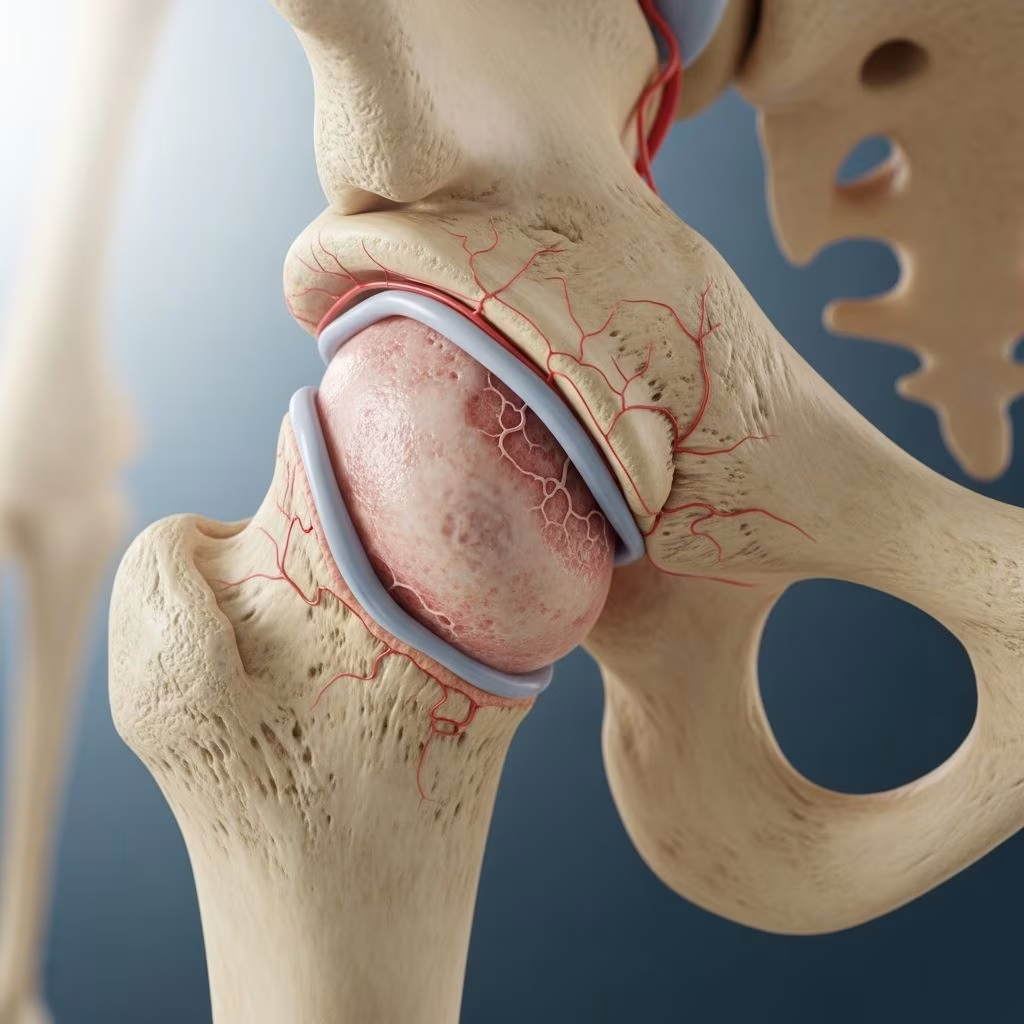
Understanding Necrosis of the Femoral Head in Dogs
Necrosis of the femoral head, commonly known as Legg-Calve-Perthes disease or avascular necrosis of the femoral head, is a serious orthopedic condition that primarily affects small breed and toy breed dogs. This condition occurs when there is a temporary disruption in the blood supply to the femoral head—the ball portion of the ball-and-socket hip joint—during the dog’s growth phase. The loss of blood supply causes the bone tissue to die, leading to collapse and deformation of the femoral head and subsequent hip joint deterioration. Understanding this condition is essential for dog owners, as early detection and appropriate treatment can significantly improve a dog’s quality of life.
What Causes Necrosis of the Femoral Head?
The exact cause of femoral head necrosis remains incompletely understood, though researchers believe it involves a vascular defect affecting the blood supply to the femoral head during skeletal growth. The condition appears to have a genetic component, with certain breeds showing a higher predisposition. When the blood supply is interrupted during critical growth periods, the bone tissue in the femoral head undergoes necrosis. As the femoral head dies, its shape changes, and portions of the bone may collapse, creating small fractures that become sources of pain. This progressive deterioration eventually leads to osteoarthritis and degenerative joint disease in the affected hip.
The disease is particularly common in toy breeds and terriers, including Chihuahuas, Pomeranians, Miniature Pinschers, and Yorkshire Terriers. While the genetic predisposition is suspected, other factors such as hormonal imbalances or trauma during critical growth phases may also contribute to the development of this condition.
Clinical Signs and Symptoms
Owners should be alert to the following clinical manifestations of femoral head necrosis:
Dogs with this condition typically develop symptoms during puppyhood, with lameness usually appearing between 5 to 8 months of age, though it can sometimes manifest earlier. The condition commonly presents with an insidious onset that progressively worsens over several weeks. Initially, affected dogs may show reluctance to use the affected hind limb, and owners often notice that their pet reacts painfully or aggressively when the hip is manipulated or when the leg is used.
Key clinical signs include:
- Unilateral or bilateral hind limb lameness (affecting one or both back legs)
- Progressive reluctance to bear weight on the affected leg
- Eventually holding the affected leg off the ground entirely
- Pain upon hip manipulation or leg movement
- Muscle atrophy in the thigh and rear end as the dog avoids using the leg
- Apparent limb shortening
- Reduced range of motion in the hip joint
- Sensation of cracking or crepitations when manipulating the hip
- Stiffness in the affected limb
In approximately 85 to 90 percent of cases, only one hip is affected, though bilateral disease can occur in some dogs. As the condition progresses untreated, the pain becomes so severe that the affected dog will refuse to place any weight on the leg, significantly impacting mobility and quality of life.
Diagnosis
Veterinary diagnosis of femoral head necrosis involves a combination of clinical assessment and diagnostic imaging. The veterinarian will begin with a thorough evaluation of the patient’s signalment—age, breed, and sex—along with a detailed history of the lameness and any traumatic incidents. Physical examination typically reveals pain upon hip manipulation, decreased range of motion, muscle atrophy, and lameness when the dog bears weight.
Radiographic imaging, commonly called X-rays, is usually diagnostic for this condition and represents the standard diagnostic tool. Radiographs reveal characteristic changes including femoral head deformity and abnormal hip joint architecture. In some cases, advanced imaging such as CT scans may be recommended to better visualize the extent of bone damage and help determine the most appropriate treatment approach. Early radiographic detection of femoral head deformity is crucial, as it allows for prompt treatment consideration before the condition progresses further.
Treatment Options
Treatment decisions depend on the extent of disease progression, the size of the affected dog, and individual circumstances. Treatment approaches range from conservative management to surgical intervention.
Conservative Management
If radiographic examination reveals an intact femoral head without significant deformation, conservative medical treatment may be considered initially. This approach involves physiotherapy, cage rest, and regular check-ups to ensure the condition remains stable. Anti-inflammatory pain relief medications are administered throughout treatment to reduce pain and inflammation and help maintain the dog’s comfort. However, conservative care is often unrewarding, as these patients tend to remain painful, and many eventually require surgical intervention as the bone damage often progresses beyond what conservative therapy can address.
Surgical Treatment
The treatment of choice for femoral head necrosis is surgical intervention. Most dogs require surgical salvage procedures to resolve pain and restore functionality to the affected limb.
Femoral Head and Neck Ostectomy (FHO)
Femoral head and neck ostectomy (FHO), also called femoral head and neck excision (FHNE), is the most common surgical treatment for this condition. This procedure involves surgical removal of the damaged femoral head and neck from the hip joint. Because the condition often affects young, small breed dogs, hip joint replacement is frequently unnecessary. After removal of the femoral head, healing occurs through the laying down of fibrous tissue, and within a very short time, a false joint is created. This false joint, while not as flexible as a normal hip joint, allows the dog to walk pain-free and typically does not significantly affect daily movement and mobility.
Within months of surgery, most dogs recover remarkably well and return to running and playing as if nothing had happened. Physical rehabilitation beginning shortly after surgery can significantly help improve the dog’s recovery trajectory and mobility outcomes.
Total Hip Replacement (THR)
Larger dogs with Legg-Calve-Perthes disease may require total hip replacement, where the damaged hip joint is completely removed and replaced with a metal ball and plastic cup prosthesis. This is a technically demanding procedure that should only be performed by experienced orthopedic surgeons. Recent developments in implant technology have made this procedure viable even for very small breeds such as Chihuahuas. Results with this technique in small patients have been very encouraging, with many dogs showing excellent limb function postoperatively.
Surgical Outcomes and Complications
Complications following femoral head ostectomy are rare. Most dogs experience excellent surgical outcomes with significant pain relief and restoration of limb function. However, a small percentage of dogs will experience some degree of limping or discomfort throughout their lives and may require long-term anti-inflammatory medication to manage residual pain. In some cases, a second surgery may be necessary to remove any residual bone spurs that develop and cause discomfort.
What Happens After the Hip Joint is Removed?
When the femoral head and neck are surgically removed, the body initiates a natural healing process. Fibrous tissue gradually fills the space where the femoral head was located. This fibrous tissue organizes and eventually forms what is called a false joint or pseudoarthrosis. While a false joint lacks the structural sophistication and flexibility of a natural hip joint, it proves remarkably functional for most dogs. The false joint provides sufficient stability and mobility to allow nearly normal locomotion, and crucially, it eliminates the pain that was caused by the damaged bone and joint arthritis.
Post-Operative Care and Recovery
Successful recovery from femoral head ostectomy depends significantly on appropriate post-operative care. Physical rehabilitation is particularly valuable and should begin shortly after surgery. Rehabilitation may include:
- Hydrotherapy to build strength without excessive joint stress
- Physiotherapy exercises to improve range of motion and muscle development
- Gradual return to normal activity under veterinary supervision
- Pain management as needed during the recovery period
- Regular follow-up examinations to monitor healing progress
Most dogs show dramatic improvement within the first few weeks following surgery, with progressive improvement continuing over several months as strength returns and the false joint stabilizes. Owners should follow their veterinarian’s recommendations regarding activity restriction during the initial recovery period to allow proper healing.
Breeding Considerations
Because femoral head necrosis may have a genetic component, it is advisable to avoid breeding affected dogs. Dogs that have experienced this condition should be spayed or neutered to prevent passing the genetic predisposition to offspring. This is an important consideration for responsible dog ownership and breed health.
Prognosis
The prognosis for dogs undergoing surgical treatment of femoral head necrosis is generally excellent. Most dogs experience significant pain relief and return to near-normal mobility following femoral head ostectomy. Dogs often make remarkable recoveries, returning to their normal activities including running, playing, and climbing stairs within months of surgery. With appropriate surgical intervention and post-operative care, quality of life is substantially improved compared to leaving the condition untreated.
Frequently Asked Questions
Q: At what age does femoral head necrosis typically develop?
A: Clinical signs usually appear between 5 and 8 months of age, though in some dogs symptoms may manifest earlier. The condition occurs during the growth phase of puppyhood.
Q: Can both hips be affected?
A: Yes, though in 85 to 90 percent of cases only one hip is affected, bilateral disease can occur in some dogs where both hips are involved.
Q: How is femoral head necrosis different from hip dysplasia?
A: While both are hip conditions, femoral head necrosis involves death of the femoral head bone tissue due to loss of blood supply, whereas hip dysplasia is a developmental malformation of the hip joint structure.
Q: Will my dog be completely normal after surgery?
A: Most dogs recover very well and return to nearly normal function. However, some may experience mild limping or occasional discomfort, particularly during cold weather or after vigorous exercise.
Q: How long is the recovery period after surgery?
A: Initial recovery typically takes 4 to 6 weeks, with most dogs showing significant improvement within months. Complete stabilization of the false joint can take several months.
Q: Is physical therapy necessary after surgery?
A: While not absolutely required, physical therapy and rehabilitation can significantly improve recovery outcomes and help restore optimal limb function more quickly.
Q: What is the cost of surgical treatment?
A: Costs vary depending on the procedure chosen and geographic location. Femoral head ostectomy is generally less expensive than total hip replacement, making it accessible to more pet owners.
Q: Can femoral head necrosis be prevented?
A: Since the condition has a genetic component, responsible breeding practices involving screening and avoiding breeding affected dogs can help reduce incidence in future generations.
References
- Legg-Calve-Perthes Disease — VCA Animal Hospitals. 2024. https://vcahospitals.com/know-your-pet/necrosis-of-the-femoral-head-in-dogs
- Yorkshire Terrier – Avascular Necrosis of the Femoral Head — Universities Federation for Animal Welfare (UFAW). 2024. https://www.ufaw.org.uk/dogs/yorkshire-terrier-avascular-necrosis
- Avascular Necrosis of the Femoral Head — MVS Vets. 2024. https://www.mvsvets.co.uk/pet-owners/avascular-necrosis-of-the-femoral-head/
- Legg Calvé Perthes Disease in Dogs — People’s Dispensary for Sick Animals (PDSA). 2024. https://www.pdsa.org.uk/pet-help-and-advice/pet-health-hub/conditions/legg-perthes-in-dogs
- Aseptic Necrosis of the Femoral Head in Dogs — Merck Veterinary Manual. 2024. https://www.merckvetmanual.com/musculoskeletal-system/arthropathies-and-related-disorders-in-small-animals/aseptic-necrosis-of-the-femoral-head-in-dogs
- Legg Perthes – Avascular Femoral Head Necrosis in Canines — Livermore Family Pet Hospital. 2024. https://www.livermorefamilypet.com/services/dogs/visiocare/legg-perthes-avascular-femoral-head-necrosis-canines



