

Understanding Respiratory Therapy for Dogs
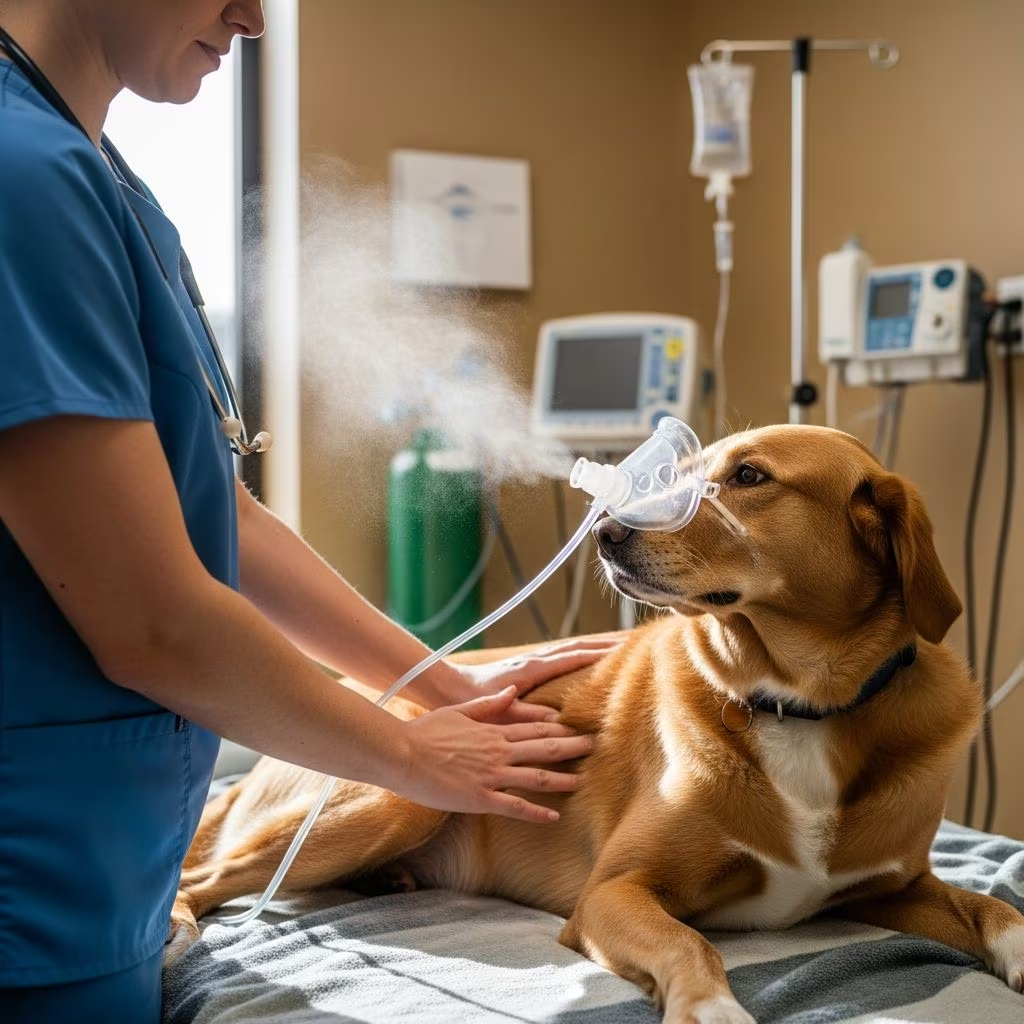
Dogs can suffer from various respiratory conditions that compromise their breathing and overall health. Whether your dog has a respiratory tract infection, aspiration pneumonia, or other lung-related issues, your veterinarian may recommend specialized therapeutic techniques to help clear secretions and improve air exchange. Two of the most effective non-invasive respiratory therapy methods are nebulization and coupage. These complementary techniques work together to hydrate the airways and mobilize trapped secretions, helping your dog recover more quickly and comfortably.
What is Nebulization?
Nebulization is a therapeutic technique that delivers moisture and medication directly into your dog’s respiratory tract. The process involves converting liquid solutions into fine aerosol droplets that can be inhaled deep into the lungs. This treatment is particularly beneficial for dogs with respiratory infections, congestion, or other lung conditions that require airway hydration and medication delivery.
How Nebulization Works
A nebulizer is a specialized machine that transforms liquid medication or saline solution into a fine mist or vapor. Your dog breathes this mist directly into their lungs, where the tiny droplets (typically ranging from 2-5 microns in size) can penetrate deep into the airways and alveoli. This direct delivery method allows medications to reach the affected areas more effectively than oral administration, and it helps hydrate the respiratory tract to facilitate mucus clearance.
Types of Nebulization for Dogs
Ultrasonic Nebulization with Medication
In many cases, your veterinarian will recommend using an ultrasonic nebulizer to deliver aerosolized medications to your dog’s lungs. The nebulizer machine combines water and prescribed medications in specific quantities to create a therapeutic mist. Your dog will breathe from the nebulizer for a specified number of breaths on a schedule determined by your veterinarian. These treatments typically last 20-40 minutes, depending on your dog’s size and condition. After each use, the machine must be properly shut down and cleaned according to the manufacturer’s directions to maintain its effectiveness and prevent contamination.
Steam Nebulization
In some cases, your veterinarian may recommend steam nebulization as a simpler alternative. This non-medicated approach uses moisture from steam to increase humidity in your dog’s lungs, allowing them to clear secretions more effectively. To administer steam nebulization at home, take your dog into your bathroom and close the door. Close any windows and turn off any vent fans, then run a hot shower—hot enough to allow your bathroom to fill with steam. Once the bathroom is filled with steam, keep your dog in the room for 10-15 minutes to allow them to breathe the moisture-laden air. This treatment may be performed once daily or more, depending on your veterinarian’s specific recommendations. Steam nebulization can also be followed by coupage if your veterinarian recommends this combined approach.
Understanding Coupage
Coupage, also known as chest percussion, is a manual therapy technique that complements nebulization perfectly. Coupage is performed by striking the chest gently but firmly with cupped hands. This rhythmic percussion action helps loosen secretions that are trapped in the lower airways, making them easier for your dog to cough up and expel. When combined with nebulization, coupage significantly enhances the therapeutic effect and accelerates your dog’s recovery.
The Technique of Proper Coupage
Performing coupage correctly is essential for its effectiveness and your dog’s comfort. When you pat your dog’s chest, there should be a small amount of air remaining between your palm and the side of the chest. Your palm should not flatten completely against the body wall. The impact should make a sound similar to drumbeats—firm and clear. The impact should be firm enough to loosen fluid that may be trapped deep within the lungs, but not so hard as to cause pain or discomfort for your dog. Think of it as a controlled percussion that vibrates the chest wall rather than a forceful slap.
Gradually work your way around your dog’s entire chest, coupaging each area of the chest on both sides of the body. Pay special attention to the sides and lower portions of the chest where secretions tend to accumulate. Your veterinarian can demonstrate the proper technique during your appointment to ensure you’re performing coupage correctly and safely.
Combining Nebulization and Coupage for Maximum Benefit
Treatment Protocol
For optimal results, these two techniques should be used together. The typical protocol involves nebulization first, followed by coupage. The nebulization hydrates the airways and helps thin secretions, while the coupage helps mobilize and loosen these secretions so your dog can expel them through coughing. This combination approach has been shown to accelerate improvement in respiratory function and reduce the need for prolonged pharmacological interventions.
Treatment Frequency and Duration
Your veterinarian will provide specific recommendations for treatment frequency and duration based on your dog’s condition. Typically, nebulization therapy may be administered twice daily for 14 days or longer, depending on the severity of the respiratory condition. Each nebulization session typically lasts 20-40 minutes, with the amount of solution nebulized ranging from 50-150 ml depending on your dog’s size. After nebulization, coupage should be performed to help mobilize the loosened secretions.
Clinical Benefits and Effectiveness
Improved Respiratory Function
Research has demonstrated that nebulization therapy combined with coupage significantly improves respiratory function in dogs. The treatment helps normalize body temperature, decrease cough frequency, and eliminate nasal and ocular discharge. Dogs typically show improved appetite and overall quality of life during and after treatment. The combination therapy improves pulmonary gas exchange by reducing carbon dioxide levels and increasing oxygen levels in the blood, which translates to better oxygen saturation and improved breathing capacity.
Reduced Dependency on Medications
One of the significant advantages of nebulization and coupage is the potential to reduce the dog’s dependency on systemic medications. While conventional treatments for respiratory tract infections rely on anti-inflammatory, anti-infective, and immunostimulating drugs, these medications do not directly resolve gas exchange abnormalities or clear airways. Nebulization and coupage address the underlying problem of mucus accumulation and poor gas exchange, often reducing the need for prolonged pharmacological interventions and associated side effects.
Faster Recovery
Dogs receiving combination nebulization and coupage therapy typically show faster improvement in their clinical status compared to those receiving conventional treatment alone. Improvement in respiratory symptoms can be observed within the first few days of treatment, with most dogs showing significant recovery within 1-2 weeks of consistent therapy.
Conditions Treated with Nebulization and Coupage
Nebulization and coupage can be beneficial for various respiratory conditions in dogs, including:
- Respiratory tract infections and bronchitis
- Aspiration pneumonia
- Bronchopneumonia with airway consolidation
- Post-surgical airway edema
- Chronic respiratory conditions with excessive mucus production
- Brachycephalic obstructive airway syndrome (BOAS) complications
- General lung congestion and poor secretion clearance
Important Considerations and Safety
Following Veterinary Instructions
It is essential to follow your veterinarian’s specific instructions regarding nebulization and coupage. The frequency, duration, and type of solution used should be exactly as prescribed. Your veterinarian will determine the best treatment plan based on your dog’s specific condition, size, and overall health status. Never modify the treatment protocol without consulting your veterinarian first.
Nebulizer Maintenance
Proper maintenance of the nebulizer equipment is crucial for safety and effectiveness. After each use, the machine must be shut down and cleaned according to the manufacturer’s directions. This prevents bacterial contamination and ensures the equipment functions properly for subsequent treatments. Ask your veterinarian for specific cleaning instructions if you’re unsure about the process.
Monitoring Your Dog
During nebulization, monitor your dog for any signs of distress or adverse reactions. While nebulization and coupage are generally safe procedures with minimal side effects, some dogs may experience mild stress or temporary discomfort. If your dog shows signs of severe respiratory distress, excessive coughing, or other concerning symptoms during treatment, stop the procedure and contact your veterinarian immediately.
Home Treatment Tips
Creating a Comfortable Environment
To ensure successful treatment at home, create a calm, quiet environment for your dog. For steam nebulization, the bathroom provides an ideal setting with contained humidity. Make sure your dog feels safe and secure during the procedure. Some dogs may be anxious initially, so gentle encouragement and positive reinforcement can help them become comfortable with the treatment routine.
Timing and Consistency
Consistency is key to successful respiratory therapy. Administer treatments at the same times each day to establish a routine. If your veterinarian recommends twice-daily treatments, spacing them approximately 12 hours apart typically works well. Consistent adherence to the treatment schedule yields the best results and fastest recovery.
Post-Treatment Care
After completing nebulization and coupage, allow your dog to rest in a comfortable position. Many dogs will cough up secretions following treatment, which is a positive sign that the therapy is working. Provide fresh water and monitor your dog’s breathing and overall condition. If your dog seems fatigued after treatment, allow adequate rest time before normal activities resume.
Frequently Asked Questions About Nebulization and Coupage
Q: How long does a typical nebulization session last?
A: Most nebulization sessions last between 20-40 minutes, depending on your dog’s size and the amount of solution being nebulized. Your veterinarian will provide specific timing recommendations for your dog’s treatment plan.
Q: Can I perform nebulization and coupage at home?
A: Yes, many dogs receive this therapy at home under veterinary guidance. Your veterinarian can demonstrate the proper technique for coupage and provide instructions for using the nebulizer equipment. Always follow your veterinarian’s specific instructions for home treatment.
Q: Is nebulization safe for all dogs?
A: Nebulization is generally safe for most dogs when performed as directed by a veterinarian. However, dogs with certain conditions or those on specific medications may require modifications to the treatment protocol. Always discuss your dog’s medical history with your veterinarian before starting treatment.
Q: What solutions are used in dog nebulizers?
A: Common solutions include sterile 0.9% saline solution, distilled water, or prescribed medications mixed with saline or water. Your veterinarian will specify which solution is appropriate for your dog’s condition.
Q: How often should coupage be performed?
A: Coupage is typically performed following each nebulization session. Your veterinarian may recommend twice-daily treatment sessions, with coupage performed immediately after nebulization to maximize the therapeutic benefit.
Q: What should I expect during recovery?
A: Most dogs show improvement within the first few days to one week of consistent nebulization and coupage therapy. You may notice decreased coughing, improved appetite, better breathing, and increased energy levels as your dog recovers.
Q: Are there any side effects from nebulization?
A: Nebulization is generally well-tolerated with minimal side effects. Adverse reactions are rare when the procedure is performed correctly. Some dogs may experience mild stress during their first few treatments, but they typically acclimate quickly to the routine.
Q: How do I know if the treatment is working?
A: Signs that nebulization and coupage are working include decreased cough frequency, improved breathing, better appetite, increased alertness, and normal body temperature. Your veterinarian may perform follow-up examinations or chest radiographs to objectively assess improvement in your dog’s respiratory condition.
Conclusion
Nebulization and coupage represent effective, non-invasive therapeutic techniques that can significantly improve respiratory function and accelerate recovery in dogs with various lung conditions. When performed correctly and consistently under veterinary guidance, these techniques help clear airways, improve gas exchange, and reduce dependence on medications. By understanding how to properly perform these treatments and following your veterinarian’s specific instructions, you can provide your dog with excellent respiratory support during their recovery. If your veterinarian has recommended nebulization and coupage for your dog, ask for a demonstration of the proper technique to ensure you’re providing the most effective treatment possible.
References
- Nebulization as complementary therapy for dogs with respiratory tract infections — Veterinary Science Journal. 2024. https://www.veterinaryscijournal.com/articles/ivs-aid1017.php
- Techniques for Nebulization and Coupage in Dogs — VCA Animal Hospitals. 2024. https://vcahospitals.com/know-your-pet/techniques-for-nebulization-and-coupage-in-dogs
- How to nebulize and coupage a dog with aspiration pneumonia — VETgirl Veterinary Continuing Education. 2024. https://vetgirlontherun.com/nebulize-coupage-dog-aspiration-pneumonia-vetgirl-veterinary-continuing-education-blog/
- Epinephrine Nebulization in the Postanesthetic Care of Canine Patients — Today’s Veterinary Nurse. 2024. https://todaysveterinarynurse.com/anesthesiology/boas-postanesthetic-epinephrine-nebulization/
- What Is a Nebulizer and How Is It Used for Pets — Pawprint Oxygen. 2024. https://pawprintoxygen.com/blogs/healthy-paws/what-is-a-nebulizer-and-how-is-it-used-for-pets



