

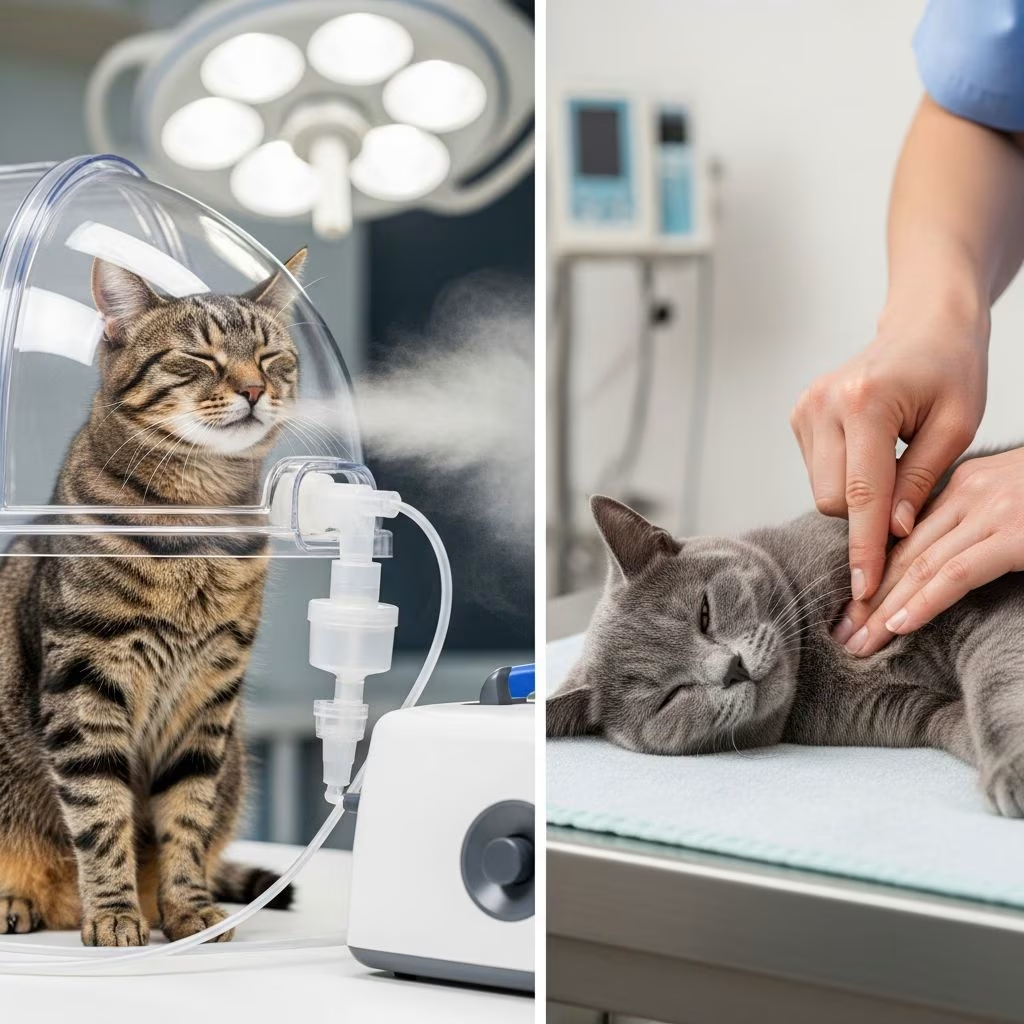
Understanding Respiratory Therapy for Cats: Nebulization and Coupage Techniques
Respiratory conditions in cats can significantly impact their quality of life and overall health. Whether your feline companion is struggling with pneumonia, bronchitis, allergic airway disease, or infection-related lung complications, veterinary professionals have developed effective therapeutic techniques to provide relief and promote healing. Two of the most valuable and accessible methods for treating feline respiratory conditions are nebulization and coupage. These techniques work synergistically to deliver medications directly to the lungs and help clear trapped secretions that interfere with oxygen absorption and overall respiratory function. Understanding how these therapies work and learning to perform them correctly can make a tremendous difference in your cat’s recovery and ongoing respiratory health management.
What is Nebulization?
Nebulization represents a sophisticated yet accessible method of delivering therapeutic compounds directly to your cat’s lungs through inhalation. The process involves transforming liquid medications or solutions into a fine mist that your cat can breathe in deeply, allowing the particles to reach the lower airways and lung tissues where they are needed most. This targeted delivery system offers several advantages over systemic administration, as it allows medications to work locally where respiratory problems originate.
The nebulization process can serve multiple therapeutic purposes depending on your cat’s specific condition. In some cases, the nebulizer may deliver nothing more than saline or distilled water, which adds critical moisture to the lungs and helps loosen secretions that have become trapped or dried out. This moisture therapy alone can provide significant relief and help your cat’s natural coughing mechanisms work more effectively.
In more complex cases, nebulization delivers prescription medications directly to the lung tissues. The most commonly nebulized medications include:
- Anti-inflammatory agents: Particularly steroids used to treat allergic airway disease and chronic inflammation
- Bronchodilators: Medications that expand airway diameter, allowing air to pass through more easily and reducing breathing difficulty
- Antibiotics: Therapeutic agents used to combat bacterial infections within the respiratory tract
- Mucolytics: Substances that break down thick mucus, making it easier to clear from the airways
The nebulizer accomplishes this transformation using an ultrasonic or jet mechanism that creates particles small enough to penetrate deep into the respiratory system. These microscopic droplets are then inhaled by your cat, where they deposit directly on affected tissues for maximum therapeutic benefit.
What is Coupage?
Coupage is a hands-on therapeutic technique that both veterinary professionals and pet owners can perform to help clear secretions from the lungs and airways. Rather than introducing substances into the respiratory system, coupage works by mechanically loosening and mobilizing secretions that have accumulated deep within the lower airways, making them easier for your cat to cough up and expel naturally.
The technique involves striking the chest gently but firmly with cupped hands in a specific pattern. This percussion action creates vibrations that travel through the chest wall and into the lung tissue, effectively dislodging secretions that have become trapped and sticky. The key to successful coupage lies in finding the perfect balance between firmness and gentleness—the impact must be strong enough to loosen fluid deep within the lungs but never so forceful as to cause pain or discomfort for your feline patient.
Coupage is particularly valuable in managing conditions such as pneumonia and bronchitis, where secretion accumulation can severely interfere with oxygen exchange at the alveolar level. By helping your cat clear these secretions more effectively through coughing, coupage can restore normal oxygen flow to the bloodstream and significantly improve respiratory function.
Clinical Applications: When Are These Techniques Used?
Veterinarians recommend nebulization and coupage for patients presenting with a diverse range of lung conditions and respiratory challenges. Understanding when each technique is most appropriate helps ensure your cat receives optimal respiratory care tailored to their specific diagnosis and clinical presentation.
Nebulization is indicated for:
- Bacterial, viral, or fungal infections of the respiratory tract requiring antibiotic or antimicrobial therapy
- Allergic airway disease and chronic inflammatory conditions
- Smoke inhalation or environmental toxin exposure
- Asthma and chronic bronchitis requiring long-term management
- General respiratory tract inflammation requiring moisturization and medication delivery
Coupage is particularly beneficial for:
- Pneumonia, where accumulated secretions compromise gas exchange
- Bronchitis with excessive mucus production
- Post-operative respiratory management following anesthesia
- Any condition where mobilization of respiratory secretions is therapeutically beneficial
Often, veterinarians will recommend a combined approach, using both techniques together to maximize therapeutic benefit. For example, steam nebulization followed by coupage creates a synergistic effect: the moisture loosens secretions, while the percussion mobilizes them for more effective clearance.
Steam Nebulization: A Simple Home Remedy
One of the most accessible forms of nebulization therapy that cat owners can perform at home is steam nebulization, which requires no specialized equipment. This technique harnesses the natural therapeutic power of humid air to help your cat’s respiratory system function more effectively.
How to Perform Steam Nebulization:
Begin by taking your cat into your bathroom and closing the door securely to contain the steam. Close any windows and turn off any ventilation fans, as these will dissipate the moisture you’re trying to create. Turn on your shower, adjusting the water temperature to produce abundant steam without creating dangerous heat. Allow the bathroom to fill completely with steam, creating a warm, humid environment.
Once the bathroom has become thoroughly steam-filled, keep your cat in the room for 10 to 15 minutes to allow her to breathe the moisture-laden air. Your cat may resist this experience initially, so patience and a calm demeanor are essential. Some cats will settle and breathe naturally, while others may require gentle reassurance. This procedure can be performed once daily or more frequently, depending on your veterinarian’s specific recommendations for your cat’s condition.
Steam nebulization is particularly valuable because it requires no medication, no specialized equipment, and can be repeated as frequently as needed without risk of side effects. Following steam nebulization with coupage can enhance the effectiveness of both techniques, as the loosened secretions can then be mechanically mobilized and cleared.
Nebulizer Machine Therapy: Delivering Aerosolized Medications
When steam nebulization alone is insufficient or when prescription medications need to be delivered directly to the lungs, your veterinarian may recommend the use of a nebulizer machine to deliver aerosolized medications. These devices represent more sophisticated therapeutic tools that require proper setup, administration technique, and maintenance.
Understanding the Nebulizer Machine:
A nebulizer machine works by combining water and medication in specified quantities within the device’s medication chamber. The machine then vaporizes these combined solutions through either ultrasonic or jet mechanisms, creating a fine mist that your cat can inhale. This mist contains the medication in particle sizes optimized for deep lung penetration and therapeutic efficacy.
Administration Guidelines:
The specific protocol for nebulizer use depends on whether you’re administering medication or saline only. Medicated nebulization treatments typically last for a specified number of breaths on a specific schedule established by your veterinarian, often ranging from 5 to 15 minutes depending on the prescription and medication type. Nebulization treatments using water or saline alone can continue for 10 to 20 minutes, allowing maximum hydration of the respiratory tract.
A complete breath for counting purposes includes both inhalation and exhalation. Many cats are initially reluctant to inhale from a nebulizer, so patience and positive reinforcement are essential. Some veterinarians may recommend ice packs placed near the nebulizer to keep your pet more comfortable during treatment, as this can increase tolerance and compliance.
Nebulizer Maintenance:
After each use, the nebulizer machine must be thoroughly shut down and cleaned according to the manufacturer’s directions. This regular maintenance prevents medication residue from building up, ensures consistent performance, and prevents bacterial contamination that could compromise your cat’s respiratory health.
How to Perform Coupage on Your Cat: A Step-by-Step Guide
Coupage is a technique that can be safely and effectively performed at home by pet owners with proper instruction and technique. Learning the correct method ensures that you provide therapeutic benefit without causing discomfort or harm to your beloved companion.
Preparation and Positioning:
Begin by placing your cat on a table or other elevated surface where you can comfortably reach her chest without bending or straining. This positioning is important both for your ergonomics and for your cat’s comfort and stability. The elevated position also allows gravity to help your cat cough up loosened secretions more effectively.
The Coupage Technique:
Cup your hand into a position that creates a small hollow space in your palm, similar to the shape you would make to catch water from a fountain. Pat the side of your cat’s chest using one hand, working one side at a time. When you pat your cat’s chest, maintain a small amount of air between your cupped palm and the side of the chest wall; your palm should never flatten completely against the body.
This cupped position is critical because it creates a distinctive drumbeat-like sound when you pat your cat’s chest. This acoustic feedback indicates that you are performing the technique correctly and that the impact is penetrating deep enough to loosen trapped fluid. The impact should be firm enough to create this drumming sound and to loosen secretions deep within the lungs, but never so hard as to cause pain or discomfort for your cat.
Gradually work your way around your cat’s entire chest, coupaging each area thoroughly on both sides of the body. Pay particular attention to areas where your cat seems to have congestion or where you can hear abnormal breath sounds. The entire procedure should take only a few minutes, though you can extend it based on your cat’s tolerance and your veterinarian’s recommendations.
Post-Coupage Care:
After completing the coupage session, encourage your cat to get up and walk around. Activity and movement promote coughing and help mobilize the secretions you’ve just loosened, allowing them to be brought up and expelled more effectively. You may notice your cat coughing more after coupage, which is a positive sign that the technique is working and secretions are being cleared from the respiratory tract.
Optimal Nebulizer Solutions and Medications
The specific solutions and medications used in nebulization therapy depend on your cat’s diagnosis, condition severity, and your veterinarian’s clinical judgment. Understanding the different options helps you better support your cat’s treatment plan.
Sterile Saline Solutions:
In mild cases, sterile saline alone can provide significant therapeutic benefit. Sterile saline is a 0.9% sodium chloride solution that comes in bags, bottles, or pre-filled syringes. Most veterinarians recommend adding 4-5 milliliters of sterile saline to your nebulizer and administering the treatment 2-3 times daily for kittens and young cats. Sterile saline is readily available, inexpensive, and completely safe, making it an excellent first-line therapy for many respiratory conditions.
Prescription Medications:
In more moderate or severe cases, your veterinarian may prescribe specific inhalant medications that can be added in small amounts to the sterile saline solution. Common prescription medications for nebulization include albuterol (a bronchodilator), acetylcysteine (a mucolytic that breaks down thick mucus), and gentamicin (an antibiotic). These medications may be used individually or in combinations, depending on the specific respiratory condition being treated.
Following your veterinarian’s advice on proper dosing and storage of prescription medications is essential, and these should only be administered under veterinary guidance. Never attempt to adjust dosages or change medications without explicit veterinary instruction.
Alternative Nebulization Methods for Active Cats
Many cats, particularly younger and more active felines, resist direct inhalation from a nebulizer mask due to the sensation and the restraint required. Veterinarians have developed alternative methods that can be more effective for these patients.
The Nebulization Chamber Method:
One effective alternative involves creating a nebulizer chamber using a cat carrier or a lidless plastic container. Place the nebulizer into the container and turn it on, allowing it to begin generating mist. Then place your cat inside and cover the top with a light blanket to create a misty chamber. Your cat can breathe in the treatment naturally while remaining calm and unstressed by the absence of a direct mask on their face. This method often results in better compliance and more consistent treatment administration, as cats are less resistant to the chamber approach than to direct mask application.
Combining Techniques for Maximum Therapeutic Benefit
The most effective respiratory therapy plans often combine multiple techniques to address different aspects of the respiratory problem. For example, steam nebulization might be followed by coupage to first loosen secretions through moisture, then mechanically mobilize them for clearance. Alternatively, medicated nebulization might be followed by coupage to ensure that medications penetrate deep into the lungs and that subsequent secretions are effectively cleared.
Your veterinarian will develop a customized treatment protocol based on your cat’s specific diagnosis, severity of illness, and individual response to therapy. Following these recommendations precisely and maintaining consistent treatment schedules maximizes the likelihood of successful outcomes.
Frequently Asked Questions About Feline Nebulization and Coupage
Q: How often should I perform coupage on my cat?
A: The frequency of coupage depends on your veterinarian’s recommendations based on your cat’s specific condition. Generally, coupage can be performed once to several times daily. Your veterinarian will provide specific guidance on the optimal schedule for your cat’s respiratory condition.
Q: Is nebulization safe for all cats?
A: Nebulization with sterile saline is generally safe for all cats. However, certain medications may have contraindications or side effects in specific cats. Always consult with your veterinarian before starting any nebulization therapy, particularly if your cat has other health conditions or is taking other medications.
Q: How long does a nebulization treatment take?
A: The duration depends on the type of treatment. Medicated nebulization typically lasts 5-15 minutes depending on the prescription. Nebulization with water or saline alone can last 10-20 minutes. Your veterinarian will specify the appropriate duration for your cat’s treatment.
Q: Can I perform these techniques at home?
A: Yes, both steam nebulization and coupage can be performed safely at home by pet owners after receiving proper instruction from their veterinarian. Steam nebulization is particularly easy to perform with no special equipment required.
Q: What should I do if my cat refuses nebulization therapy?
A: If your cat resists direct mask nebulization, discuss alternative methods with your veterinarian, such as the nebulization chamber technique using a cat carrier or plastic container, which many cats tolerate better.
Q: Will my cat cough more after coupage treatment?
A: Yes, increased coughing after coupage is normal and positive, as it indicates that loosened secretions are being expelled from the respiratory tract. This is a sign that the technique is working effectively.
References
- Techniques for Nebulization and Coupage in Cats — VCA Animal Hospitals. 2025. https://vcahospitals.com/know-your-pet/techniques-for-nebulization-and-coupage-in-cats
- Inhalation Therapy for Respiratory Diseases (Proceedings) — Andrew Specht, DVM, DACVIM. DVM360. https://www.dvm360.com/view/inhalation-therapy-respiratory-diseases-proceedings
- How to Nebulize Your Cat — Cat Hospital. YouTube. https://www.youtube.com/watch?v=_fqKaJIhHr4
- How to Use a Nebulizer with a Kitten — Kitten Lady. http://www.kittenlady.org/nebulizer
- Nebulizer for Cats and Kittens | Pet Tips & Tricks with Dr. Sperry — Pets Plus Us. YouTube. https://www.youtube.com/watch?v=39jUKMh7edE
- How to Provide Home Respiratory Therapy: Humidification, Nebulization & Coupage — Brewster Veterinary Hospital. https://www.brewstervet.com/sites/site-1762/documents/How%20to%20provide%20home%20respiratory%20therapy%20humidification%20nebulization%20coupage.pdf
- What Is a Nebulizer and How Is It Used for Pets? — Pawprint Oxygen. https://pawprintoxygen.com/blogs/healthy-paws/what-is-a-nebulizer-and-how-is-it-used-for-pets



