

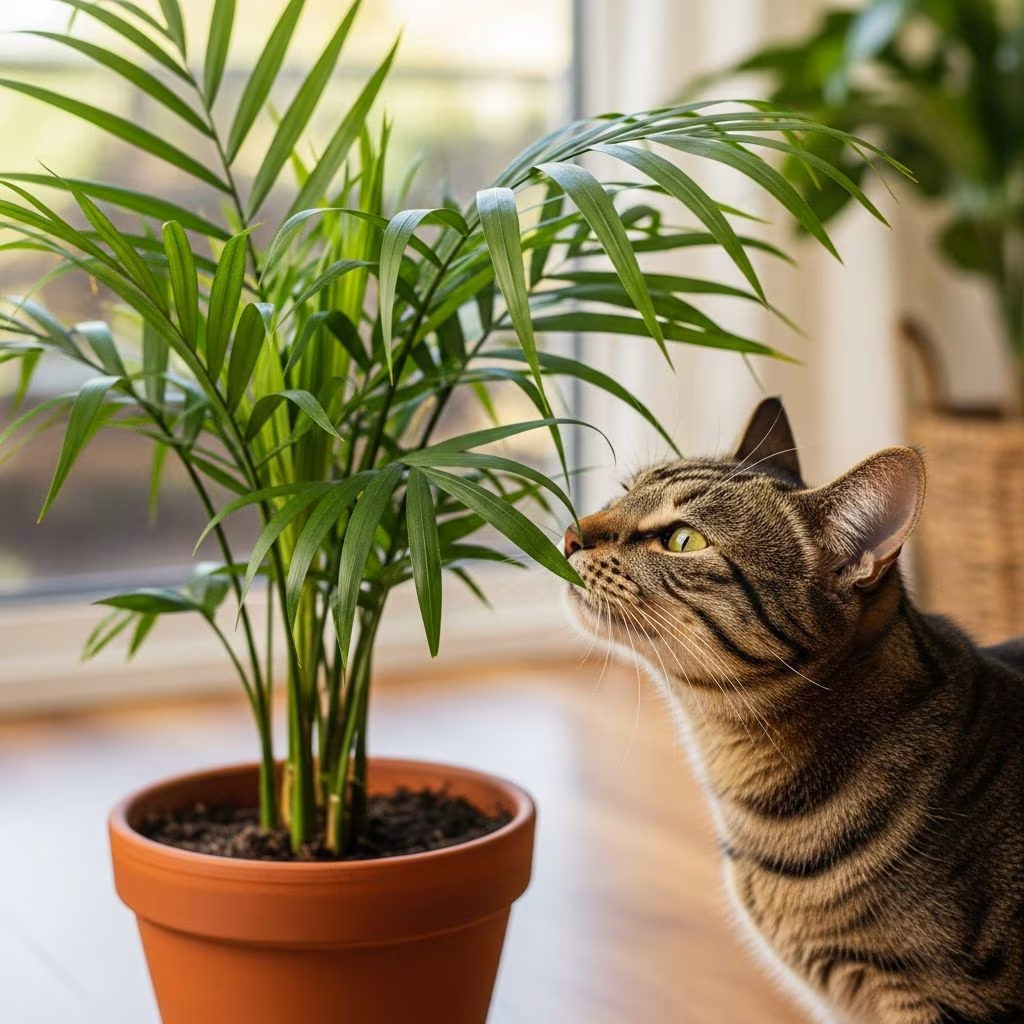
Houseplants like the Neanthe Bella palm add elegance and air-purifying benefits to homes, but cat owners must prioritize pet safety. Known scientifically as Chamaedorea elegans, this palm is popular for its lush, feathery fronds. The key question for feline companions: does it harm cats if they nibble? Reliable sources confirm it is non-toxic, offering reassurance for multi-pet households.
Understanding Plant Safety for Felines
Cats often explore their environment by chewing on greenery, driven by curiosity or nutritional needs. While many plants cause severe reactions, Neanthe Bella palms do not contain harmful compounds like saponins or cycasin found in dangerous varieties. The ASPCA lists it explicitly as safe for cats and dogs, meaning ingestion won’t trigger poisoning symptoms such as organ failure or neurological issues.
That said, moderation matters. Excessive consumption of any plant material can lead to mild gastrointestinal disturbances like vomiting or diarrhea due to fiber content, not toxicity. Veterinary experts recommend observation rather than alarm if a cat samples a leaf.
Botanical Profile of Neanthe Bella Palm
Originating from Mexico and Central America, Neanthe Bella palms, also called parlor palms or cat palms, feature clustered stems with dark green, arching fronds. They grow 3-6 feet indoors, thriving in indirect light and moderate humidity. Their resilience makes them favorites for beginners, and pet-safe status enhances appeal.
- Appearance: Soft, pinnate leaves resembling tiny feathers.
- Growth Habit: Slow-growing, multi-stemmed clusters.
- Environmental Fit: Tolerates low light better than many tropicals.
These traits make them less likely to drop sharp edges that might irritate paws, unlike spikier palms.
Cultivation Essentials for Thriving Palms
To keep your Neanthe Bella palm healthy—and less tempting to cats—master basic care. Place in bright, indirect sunlight to avoid leaf scorch; north-facing windows work well.
| Aspect | Ideal Conditions | Tips for Success |
|---|---|---|
| Light | Low to medium indirect | Avoid direct sun to prevent yellowing. |
| Water | Moist but not soggy soil | Water when top inch dries; ensure drainage. |
| Humidity | 50-60% or higher | Mist leaves or use pebble trays. |
| Soil | Well-draining potting mix | Add perlite for aeration. |
| Temperature | 65-85°F (18-29°C) | Protect from drafts below 55°F. |
Feed sparingly with balanced, diluted fertilizer in spring and summer. Prune yellowing lower fronds to redirect energy upward. Healthy plants resist pests like spider mites, which could indirectly affect curious cats sniffing around.
Why Cats Target Indoor Greenery
Feline plant-munching stems from instincts: fiber for digestion, entertainment, or teething in kittens. Neanthe Bella’s dangling fronds mimic prey, inviting playful bats. While safe, unchecked nibbling damages the plant and risks impaction if fibers accumulate.
Preventive strategies include:
- Elevating pots on high shelves or hanging baskets.
- Applying pet-safe bitter sprays to leaves.
- Offering alternatives like wheatgrass or catnip toys.
- Using motion-activated air puffs as deterrents.
Distinguishing Safe from Dangerous Palms
Not all palms suit cat homes. Misidentification at nurseries is common, so verify using scientific names.
| Plant Type | Toxicity Level | Symptoms if Ingested |
|---|---|---|
| Neanthe Bella (Chamaedorea elegans) | Non-toxic | Mild stomach upset possible. |
| Parlor Palm (Chamaedorea spp.) | Non-toxic | Safe; similar to Neanthe. |
| Majesty Palm (Ravenea rivularis) | Non-toxic | Minimal risks. |
| Sago Palm (Cycas revoluta) | Highly toxic | Vomiting, liver failure, death. |
| Dracaena spp. | Toxic | Drooling, weakness, dilated pupils. |
| Yucca spp. | Toxic | Vomiting, incoordination. |
Sago palms top the danger list, with seeds causing up to 50% fatality in ingestions due to cycasin. Always cross-check with ASPCA’s database before purchase.
Safe Alternatives for Cat Households
Beyond Neanthe Bella, stock your space with verified pet-friendly options:
- Spider Plant (Chlorophytum comosus): Air-purifying, mildly laxative if overeaten.
- Boston Fern (Nephrolepis exaltata): Humidity-loving, non-toxic.
- Cast Iron Plant (Aspidistra elatior): Indestructible, safe foliage.
- Ponytail Palm (Beaucarnea recurvata): Drought-tolerant, harmless.
These complement Neanthe Bella, creating a lush, worry-free jungle.
Monitoring and Responding to Ingestion
If your cat chews a Neanthe Bella leaf, watch for 24-48 hours. Benign signs include temporary disinterest in food or loose stools. Red flags—persistent vomiting, lethargy, or blood—warrant immediate vet contact.
For emergencies, services like online vet consultations provide quick guidance without travel. Keep the ASPCA Poison Control hotline handy: (888) 426-4435.
Enhancing Home Harmony with Plants
Integrating safe plants boosts mental well-being for humans and stimulation for cats. Rotate placements to discourage fixation, and pair with scratching posts near greenery for redirection. Over time, cats may lose interest as they mature.
Maintain plant health to minimize appeal—stressed foliage attracts more attention. Regular dusting prevents dust ingestion, a secondary concern.
Frequently Asked Questions
Can cats eat Neanthe Bella palms without harm?
Yes, they are non-toxic per ASPCA, though large amounts may cause mild digestive upset.
What if my cat vomits after nibbling the plant?
Monitor closely; if symptoms persist beyond a few hours, consult a vet.
Are there palms that look like Neanthe Bella but are toxic?
Yes, avoid Sago and Dracaena, which mimic appearance but contain dangerous toxins.
How do I stop my cat from destroying my houseplants?
Use elevation, deterrents, and cat grass alternatives.
Is Neanthe Bella safe for kittens?
Absolutely, but supervise more closely as they explore voraciously.
Can I propagate Neanthe Bella safely around cats?
Yes, division is simple; keep cuttings inaccessible during rooting.
This guide empowers cat owners to enjoy Neanthe Bella palms confidently. Prioritize verification and prevention for a thriving, green home.
References
- Are Neanthe Bella Palms Poisonous to Cats? The Facts & FAQ — Catster. 2023. https://www.catster.com/cat-health-care/are-neanthe-bella-palms-poisonous-to-cats/
- Are neanthe bella palms poisonous for cats if they nibble a little bit? — Dial A Vet. 2023. https://www.dialavet.com/vet-answers/neanthe-bella-palms-poisonous-cats-154633
- Pet Safety: Is Cat Palm Safe for Cats and Dogs? — Lively Root. 2023. https://www.livelyroot.com/blogs/plant-care/is-cat-palm-safe-for-cats-and-dogs
- Neanthe Bella Palm – Toxic and Non-toxic Plants — ASPCA. Accessed 2026. https://www.aspca.org/pet-care/aspca-poison-control/toxic-and-non-toxic-plants/neanthe-bella-palm



