

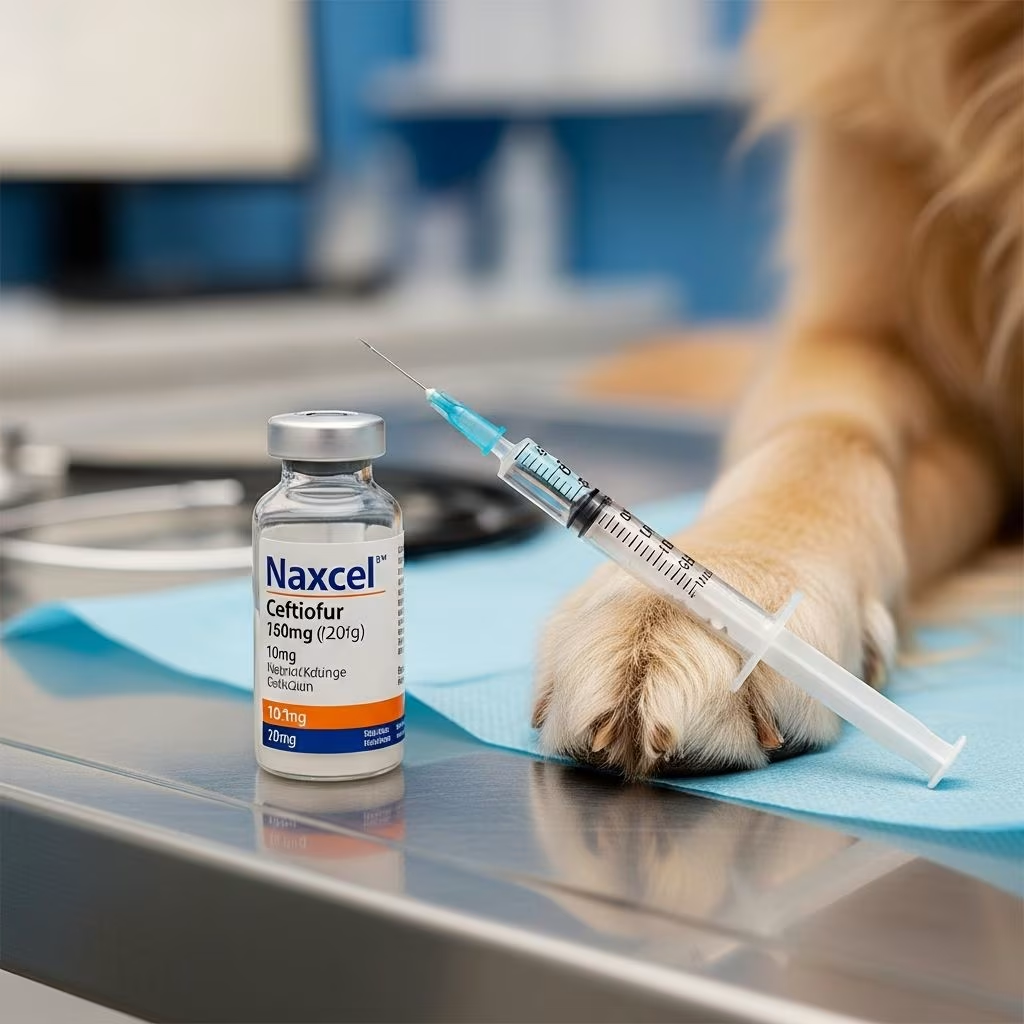
Urinary tract infections (UTIs) represent a frequent health challenge in dogs, often requiring prompt antibiotic intervention to prevent complications like kidney involvement or chronic recurrence. Naxcel, known generically as ceftiofur sodium, stands out as a third-generation cephalosporin antibiotic particularly suited for subcutaneous administration, offering extended efficacy against common UTI pathogens such as Escherichia coli and Proteus species. This article delves into its applications, benefits, administration strategies, and supportive care measures for optimal outcomes in canine patients.
Understanding Canine Urinary Tract Infections
UTIs in dogs typically arise from bacterial ascension into the bladder, with E. coli being the predominant culprit, alongside other gram-negative and gram-positive organisms. Clinical manifestations include frequent urination (pollakiuria), straining (stranguria), blood in urine (hematuria), and discomfort during voiding (dysuria). While sporadic cases respond well to short-term therapy, recurrent or complicated infections—often linked to underlying issues like diabetes, prostatic disease, or urolithiasis—demand more targeted approaches.
Early diagnosis hinges on urinalysis, cytology, and quantitative urine culture with susceptibility testing. Empirical treatment may initiate relief, but culture-guided therapy ensures efficacy and curbs resistance development. Nonsteroidal anti-inflammatory drugs (NSAIDs) can alleviate pain alongside antimicrobials.
Why Choose Naxcel for UTI Management?
Naxcel’s appeal lies in its once-every-few-days dosing regimen due to high protein binding and sustained tissue concentrations, ideal for owners managing fractious or hard-to-pill dogs. Approved for canine skin infections, its extra-label use in UTIs leverages broad-spectrum activity against beta-lactamase-producing strains common in urinary pathogens. Unlike oral options requiring daily compliance, Naxcel’s injectable form minimizes handling stress and enhances adherence.
- High urine concentrations: Achieves levels far exceeding minimum inhibitory concentrations (MICs) for key bacteria.
- Long-acting: Single doses maintain therapeutic levels for up to 14 days in some cephalosporins like cefovecin, with Naxcel following similar pharmacokinetics.
- Versatility: Effective in simple cystitis and as a bridge in complicated cases pending culture results.
Pharmacology and Mechanism of Action
As a beta-lactam antibiotic, Naxcel inhibits bacterial cell wall synthesis by binding penicillin-binding proteins, leading to lysis and death of susceptible organisms. Its third-generation status confers resistance to many beta-lactamases, broadening its spectrum over first- or second-generation counterparts. In dogs, subcutaneous injection yields peak plasma levels rapidly, with extensive distribution into urinary tissues and prolonged elimination half-life supporting infrequent dosing.
For concentration-independent killing (time-dependent), maintaining levels above MIC for extended periods is crucial, which Naxcel accomplishes effectively. Fluoroquinolones serve as alternatives for resistant gram-negatives or prostatic involvement, but cephalosporins like Naxcel remain first-line for uncomplicated cases.
Dosage Protocols and Administration
Veterinarians tailor Naxcel dosing based on infection severity, patient weight, and culture data. Standard protocols for canine UTIs involve subcutaneous injections at 5 mg/kg body weight, repeated every 48-72 hours for 5-10 days, adjustable per response. For a 20 kg dog, this equates to 100 mg per dose, administered at sites like the scruff or flank to minimize irritation.
| Patient Weight (kg) | Dose (mg) | Frequency | Duration |
|---|---|---|---|
| 5-10 | 25-50 | q48-72h | 5-10 days |
| 11-20 | 55-100 | q48-72h | 5-10 days |
| 21-30 | 105-150 | q48-72h | 5-10 days |
Always administer post-culture confirmation when possible, and monitor via follow-up urinalysis 7-14 days post-therapy to verify clearance. In recurrent scenarios, extend to 4 weeks while addressing predispositions.
Potential Side Effects and Safety Profile
Naxcel exhibits a favorable safety margin, with rare adverse events including injection-site reactions (swelling, pain), gastrointestinal upset (vomiting, diarrhea), or allergic responses (facial swelling, urticaria). Hypersensitivity risks are low but mandate epinephrine availability during administration. Contraindicated in cephalosporin-allergic dogs or those with severe renal impairment due to prolonged clearance.
Pregnant or lactating bitches require caution, as data on fetal safety is limited. Regular monitoring prevents superinfections or resistance emergence, especially in multi-drug resistant (MDR) cases.
Supportive Therapies and Home Care
Antibiotics alone may not suffice; integrate pain relief with NSAIDs like carprofen (2.2 mg/kg q12h), increased water intake via fresh sources or wet food, and dietary modifications to acidify urine or dissolve struvite stones. Cranberry extracts show anecdotal benefits in preventing bacterial adhesion, though evidence is mixed.
- Encourage frequent potty breaks to flush bacteria.
- Maintain hygiene to avert fecal contamination.
- Track symptoms daily for vet reporting.
Addressing Recurrent and Complicated UTIs
Recurrences signal underlying issues: prostatic hyperplasia in intact males, anatomical defects, or immunosuppression. Culture every episode, as reinfections often involve novel strains. For pyelonephritis or prostatitis, lipophilic drugs like fluoroquinolones penetrate better, but Naxcel bridges initial therapy. ISCAID guidelines advocate ≤7 days for uncomplicated UTIs and up to 4 weeks for complicated ones.
Short-course studies (3 vs. 10-14 days) yield comparable efficacy in uncomplicated cases, reducing resistance risks.
Diagnostic Best Practices Before Treatment
Avoid blind therapy; collect midstream free-catch or cystocentesis samples for culture. Urinalysis flags pyuria, bacteriuria, or hematuria, but sterile pyuria may indicate sterile inflammation. Sensitivity testing guides switches from empirical broad-spectrum like Naxcel to narrower agents.
FAQs on Naxcel for Dog UTIs
Can Naxcel be used for all dog breeds?
Yes, across breeds, but dose by weight and monitor for breed-specific sensitivities like MDR1 mutation in Collies.
How quickly does Naxcel work?
Clinical improvement often within 48 hours, full resolution per follow-up tests.
Is Naxcel safe for puppies or seniors?
Use judiciously in extremes; adjust for renal function in seniors.
What if my dog vomits after injection?
Contact vet; may indicate allergy or GI upset—anti-emetics can help.
Can I combine Naxcel with probiotics?
Yes, to support gut flora during therapy.
Preventive Strategies Post-Treatment
Post-recovery, annual urinalyses, weight management, and neutering reduce risks. Probiotics and urinary diets maintain balance. Vigilance prevents silent carriers leading to relapses.
In summary, Naxcel offers a reliable, convenient option for canine UTIs, backed by its pharmacokinetic profile and pathogen coverage. Collaborate with vets for culture-driven protocols to safeguard long-term urinary health.
References
- UTI in Dogs: Signs, Causes, and Treatment — PetMD. 2023. https://www.petmd.com/dog/conditions/urinary/uti-dogs-signs-causes-and-when-call-your-vet
- Pharmacotherapeutics in Bacterial Urinary Tract Infections in Animals — Merck Veterinary Manual. 2023-10-15. https://www.merckvetmanual.com/pharmacology/systemic-pharmacotherapeutics-of-the-urinary-system/pharmacotherapeutics-in-bacterial-urinary-tract-infections-in-animals
- Use of Antibiotics for Treating UTIs in Dogs and Cats — Today’s Veterinary Practice. 2022. https://todaysveterinarypractice.com/pharmacology/antibiotic-use-urinary-tract-infections-dogs-cats/
- Urinary Tract Infections (UTIs) in Dogs — VCA Animal Hospitals. 2024. https://vcahospitals.com/know-your-pet/urinary-tract-infections-utis-in-dogs
- Dog UTI Signs, Causes and Treatment Costs Explained — CareCredit. 2023. https://www.carecredit.com/well-u/pet-care/uti-in-dogs/
- Antimicrobial Use Guidelines for Treatment of Urinary Tract Disease — PMC (NCBI). 2011-07-01. https://pmc.ncbi.nlm.nih.gov/articles/PMC3134992/



