
Navigating Pet Loss Grief
Practical steps and emotional insights to honor your pet's memory and heal from the profound loss of a beloved companion.
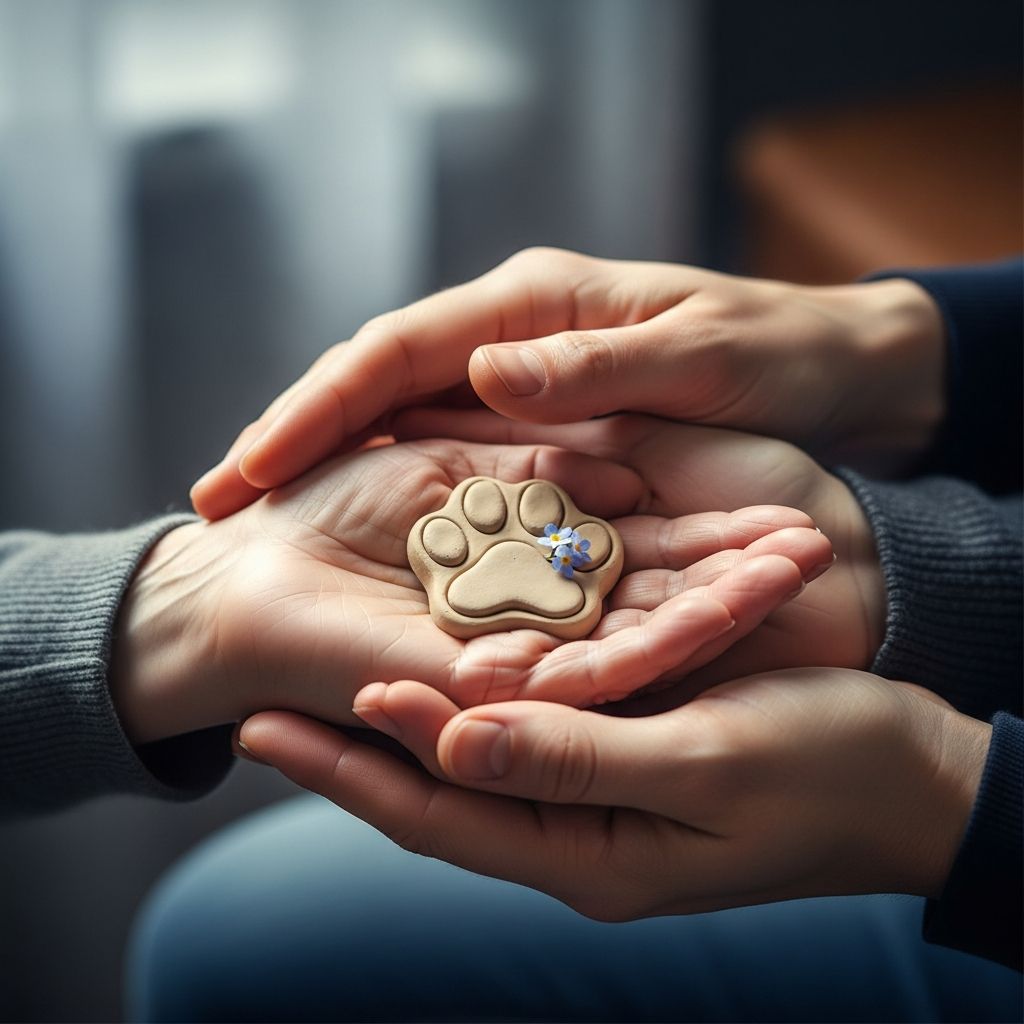
The bond between humans and their pets often rivals that of family members, making the loss deeply painful. When a cherished dog or cat passes, the resulting grief can feel overwhelming, manifesting in waves of sadness, anger, and even guilt. This guide offers a roadmap through this emotional terrain, drawing on proven strategies to help you process your feelings, honor your companion’s life, and gradually rediscover balance.
Understanding the Depths of Pet Bereavement
Pet loss triggers a unique form of mourning because animals provide unconditional love, daily companionship, and often a sense of purpose. Unlike human deaths, societal norms may downplay this grief, leaving many feeling isolated. Research shows that the emotional attachment to pets activates similar brain regions as those for human relationships, explaining the intensity.
Grief doesn’t follow a linear path. For some, it unfolds in stages—denial, anger, bargaining, depression, acceptance—while others experience cyclical waves, with lows deepening initially before easing over time. Triggers like a familiar toy or empty leash spot can reignite sorrow even years later. Recognizing this variability normalizes your experience and encourages patience with yourself.
Recognizing Common Emotional Responses
Immediately after loss, shock may numb you, followed by intense sadness where tears flow uncontrollably. You might whisper, “My faithful friend should still be here,” echoing the void left behind. Anger often surfaces—directed at veterinarians, circumstances, or yourself for perceived shortcomings. Guilt whispers, “Did I do enough?” Anxiety about coping alone adds layers, questioning your resilience.
These reactions are universal. Acknowledging them prevents suppression, which prolongs pain. Instead of judging your depth of feeling, validate it: pet grief is as legitimate as any other.
Embracing Your Grief Without Judgment
Healing begins by leaning into the pain rather than evading it. Trying to ignore sorrow only intensifies it later. Express emotions freely—cry, scream, or journal raw thoughts to release pent-up energy.
Reminisce intentionally about joyful moments: the wagging tail greetings, playful chases, or quiet cuddles. This shifts focus from loss to the love shared, fostering acceptance. Writing letters to your pet or poems capturing your bond provides catharsis, transforming abstract pain into tangible memories.
Self-Care Essentials During Mourning
Grief depletes physical and emotional reserves, so prioritize basics. Maintain a nutritious diet, aim for 7-9 hours of sleep, and incorporate movement like walks to release endorphins and elevate mood. Hydration and avoiding isolation are crucial; connect daily with supportive people via calls or meetups.
Be gentle: indulge in comfort foods, naps, or quiet reflection without guilt. Structure your day to include small acts of kindness toward yourself, like a warm bath or favorite music. If other pets remain, stick to routines—increased play benefits them and distracts you positively.
Daily Self-Care Checklist
- Nutrition: Eat balanced meals three times daily.
- Movement: 30 minutes of walking or gentle exercise.
- Social: One meaningful interaction with a friend or family.
- Rest: Wind down early for restorative sleep.
- Mindfulness: 10 minutes of breathing or meditation.
Building Memorials to Celebrate Their Life
Rituals anchor grief, providing closure. Hold a private funeral, bury ashes under a favorite tree, or scatter them in a meaningful spot. Ignore naysayers; what matters is your heart’s needs.
Create lasting tributes: compile photo albums, craft scrapbooks with paw prints and stories, or plant a garden stone engraved with their name. Donations to shelters in their honor extend their legacy. Digital memorials—online albums or dedicated social pages—allow sharing with communities who understand.
| Memorial Idea | Materials Needed | Emotional Benefit |
|---|---|---|
| Photo Collage Frame | Photos, frame, craft glue | Visual daily reminder of joy |
| Memory Garden | Plant, plaque, soil | Growing symbol of enduring love |
| Custom Jewelry | Paw print mold, metal | Wearable connection |
| Story Journal | Notebook, pens | Narrative processing of bond |
Addressing Guilt and Lingering Regrets
Guilt often haunts: “Could I have caught the illness sooner?” Examine facts compassionately—most decisions stem from love, not neglect. Speak unspoken words: “Thank you for your loyalty, I forgive any shortcomings, please forgive mine”. This ritual invites closure, easing self-blame.
Reframe: your pet’s life was enriched by your care. Focus on positives—years of happiness outweigh final moments.
Seeking Support Networks
Don’t grieve alone. Join pet loss support groups online or in-person for validation from those who’ve walked similar paths. Talk to empathetic friends; their listening heals. Professionals like grief counselors specializing in pet loss offer tools if waves overwhelm.
For seniors, where pets combat loneliness, replace walks with community clubs to maintain connections.
Adjusting Life After Loss
Your identity as a “dog parent” shifts, requiring reinvention. Rearrange routines to fill voids—volunteer at shelters or adopt routines like reading in their favorite spot. Surviving pets sense your distress; extra play stabilizes everyone.
Over time, grief evolves: pain visits less frequently, shorter in duration. Memories bring smiles amid tears, honoring the unbreakable bond.
When to Consider Professional Help
If grief impairs eating, sleeping, or functioning beyond months, or suicidal thoughts emerge, seek therapy. Pet loss hotlines and veterinarians provide immediate resources. Complicated grief affects 10-20% profoundly; intervention prevents prolonged suffering.
FAQs on Pet Loss Recovery
Is it normal to grieve a pet as intensely as a human?
Yes, attachments trigger identical brain responses. Society’s stigma doesn’t diminish validity.
How long does pet grief last?
Varies; initial intensity fades in weeks to months, but triggers linger. Healing is nonlinear.
Should I get a new pet right away?
Wait until excitement outweighs comparison. Honor the space first.
What if guilt won’t subside?
Journal facts vs. feelings; rituals like forgiveness letters help.
Can children handle pet loss discussions?
Age-appropriately: use honest, simple language; include in memorials.
Long-Term Healing: Living with Love and Memory
Healing doesn’t erase loss; it integrates it. You’ll carry your pet in heart-shaped scars—tender yet testament to profound love. Engage in joy: new hobbies, travels, or future adoptions when ready. Their spirit lives in how you love others fiercely because of them.
Embrace this journey with grace. You’ve given and received immeasurable joy; now, extend that compassion to yourself.
References
- Coping with Losing a Pet: How to Grieve a Pet — HelpGuide.org. 2023. https://www.helpguide.org/mental-health/grief/coping-with-losing-a-pet
- Coping With Pet Loss: Healing Strategies — Best Friends Animal Society. 2024. https://bestfriends.org/pet-care-resources/coping-pet-loss-healing-strategies
- Ten Tips on Coping with Pet Loss — Pet-Loss.net. 2022. https://www.pet-loss.net
- Practical Psychological Strategies For Coping With Pet Loss — Dr. Scott Eilers. 2023. https://www.drscotteilers.com/post/practical-psychological-strategies-for-coping-with-pet-loss
- Coping with the loss of a pet — American Veterinary Medical Association (AVMA). 2024-01-15. https://www.avma.org/resources-tools/pet-owners/petcare/coping-loss-pet
- My Pet Died and I Can’t Stop Crying: 8 Ways to Cope — Memorials.com. 2023. https://www.memorials.com/info/8-things-that-will-help-you-stop-crying-over-your-pets-death
Similar Articles








Read full bio of medha deb


