

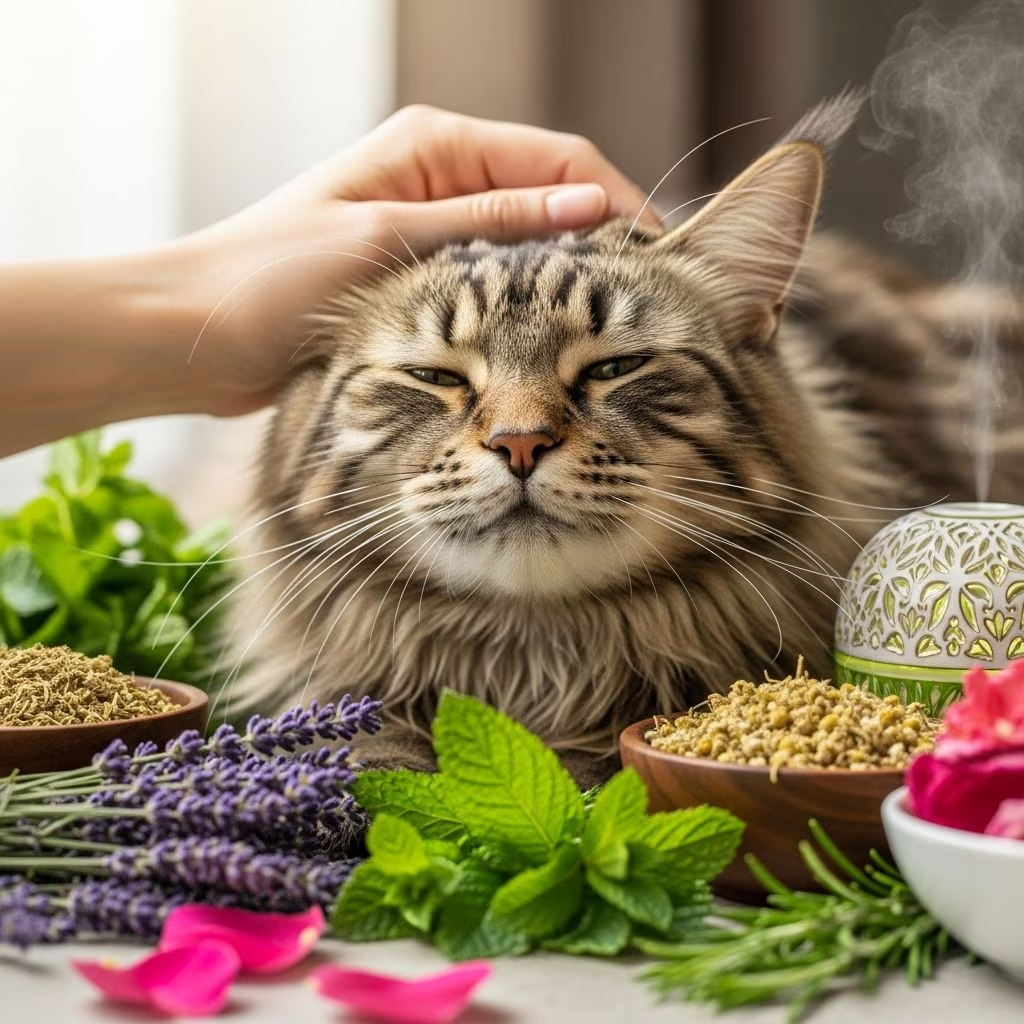
Cats are known for their fastidious grooming habits, yet persistent odors can still arise from litter boxes, fur, or accidents. Natural methods offer safe, effective solutions to maintain freshness without synthetic chemicals that may irritate sensitive feline noses or skin. This guide covers grooming, litter management, diet, and home remedies to keep your cat smelling pleasant.
Why Does My Cat Smell Bad?
A bad smell from your cat often signals underlying issues like poor litter hygiene, dental problems, anal gland issues, or dietary imbalances. Unlike dogs, cats groom extensively, but factors such as obesity limit reach, leading to matted fur that traps odors. Dental disease affects nearly 70% of cats over age three, causing halitosis from plaque buildup. Anal glands, which express during defecation, can become impacted, releasing a fishy stench. Urine or fecal accidents stem from stress, medical conditions like urinary tract infections, or unclean litter boxes. Identifying the source is key to targeted natural remedies.
1. Groom Your Cat Regularly
Regular brushing distributes natural oils, removes dirt, and prevents matting where bacteria thrive. Use a soft-bristled brush for short-haired cats daily and a wide-toothed comb for long-haired breeds to untangle knots. Bathing is rarely needed for cats, but if essential for heavy soiling, opt for natural, oatmeal-based shampoos diluted in warm water. Wipe sensitive areas like face and paws with pet-safe wipes made from aloe vera or chamomile. Grooming sessions also strengthen bonds and reduce stress-related spraying.
- Brush 3-5 times weekly to exfoliate dead skin and control shedding.
- Check ears weekly; clean with vet-approved solutions to prevent wax buildup odors.
- Trim nails monthly to avoid substrate scratching that harbors smells.
2. Clean the Litter Box Frequently
Litter box neglect is the top odor culprit. Scoop twice daily and fully change clumping litter weekly, using a litter sifting system for efficiency. Natural litters like pine pellets, corn, or wheat absorb better than clay and break down odors via plant fibers. Add baking soda or dried lavender to the bottom layer for extra neutralization. Place the box in a ventilated area away from food to discourage avoidance and accidents.
- Choose **unscented, dust-free litters** to avoid respiratory irritation.
- Provide one box per cat plus one extra in multi-cat homes.
- Deep-clean monthly with hot water and vinegar; avoid bleach or ammonia.
3. Use Natural Odor Neutralizers
DIY neutralizers tackle accidents effectively. Enzymatic cleaners with natural bacteria break down urine proteins undetectable by cats’ keen senses. Vinegar-water solutions (1:1 ratio) neutralize ammonia salts in dried pee. Baking soda absorbs moisture and odors; sprinkle liberally on carpets, let sit overnight, then vacuum. Hydrogen peroxide mixtures (3% with dish soap) oxidize stubborn stains on fabrics, fizzing away smells.
For litter boxes, sprinkle coffee grounds or activated charcoal weekly to trap airborne odors. Stainless steel scrubbers release ions neutralizing sulfur smells from waste.
| Method | Best For | Application Steps |
|---|---|---|
| Enzymatic Cleaner | Urine stains | Blot excess, spray, let sit 10 min, wipe. |
| Vinegar + Water | Hard floors/walls | Spray 1:1 mix, blot, air dry. |
| Baking Soda | Carpets/upholstery | Sprinkle, vacuum after 24 hrs. |
| Hydrogen Peroxide | Fabrics | Mix with soap, test spot, apply. |
4. Maintain a Healthy Diet
Diet influences odor via digestion. High-quality, low-carb foods with novel proteins like duck or venison reduce stool ammonia. Probiotics support gut health, minimizing gas smells. Wet food hydrates, diluting urine concentration. Avoid fish-heavy diets causing ‘fishy’ breath. Transition slowly to prevent digestive upset.
- Opt for **AAFCO-approved natural brands** with whole ingredients.
- Feed measured portions to prevent obesity-linked hygiene issues.
- Supplement with pumpkin puree for fiber, firming stools.
5. Dental Hygiene Matters
Bad breath stems from tartar buildup fostering bacteria. Daily toothbrushing with enzymatic poultry-flavored paste prevents gingivitis. Dental chews, water additives with parsley, or kelp powder freshen breath naturally. Annual vet checkups catch issues early; professional cleanings under anesthesia remove deep plaque.
- Use finger brushes for gentle cleaning.
- Add dental gels with grapefruit seed extract.
- Monitor for drooling or pawing at mouth as red flags.
6. Address Anal Gland Problems
Impacted glands cause scooting and fishy odors. Increase fiber via pumpkin or canned food to promote natural expression. Omega-3 supplements lubricate glands. Vet expression every 4-6 weeks if recurrent; severe cases need flushing. Pumpkin seeds ground into meals act as mild laxatives aiding evacuation.
7. Essential Oils and Herbs (Use with Caution)
Pet-safe oils like lavender or rosemary deter remarking when diluted. Place fresh herbs near boxes. Avoid tea tree or eucalyptus, toxic if ingested. Diffusers must be feline-formulated.
- Dilute 1 drop oil in 1 cup water for sprays.
- Use cedar chips in ventilated areas.
8. Regular Vet Checkups
Odors signal health issues like diabetes (sweet urine) or kidney disease (ammonia breath). Bi-annual exams, urine tests detect problems early. Spaying/neutering reduces marking hormones by 90%.
9. Home Ventilation and Cleaning
Ventilate with fans; vacuum HEPA filters trap dander. Wash beds weekly in hot water with vinegar. Coffee grounds absorb ambient smells.
Frequently Asked Questions (FAQs)
Can I use baby wipes on my cat?
Yes, fragrance-free baby wipes are safe for spot cleaning paws and rear, but avoid daily use to preserve natural oils.
Is apple cider vinegar safe for cats?
Diluted ACV neutralizes odors but test small areas; full-strength irritates skin.
How often should I bathe my cat?
Only as needed for severe soiling; most cats self-clean adequately.
What litter hides smells best naturally?
Pine or crystal litters excel in absorption without perfumes.
Does diet really affect cat smell?
Yes, premium proteins reduce volatile compounds in waste.
References
- 4 All-Natural Cat Urine, Odor, and Stain Removers — Ecolife. Accessed 2026. https://www.ecolife.com/learn/natural-cat-urine-stain-odor-remover
- 14 Advanced Odor Control Hacks Beyond Baking Soda — Furrbby. Accessed 2026. https://www.furrbby.com/blogs/blogs/14-advanced-odor-control-hacks-beyond-baking-soda
- How To Get Rid of Cat Pee Smell — PetMD. Accessed 2026. https://www.petmd.com/cat/general-health/how-to-get-rid-of-cat-pee-smell
- How to Remove Cat Urine Smell for Good — ServiceMaster Clean. 2022-06-01. https://www.servicemasterclean.com/servicemaster-of-kalamazoo/tips-and-resources/local-blog/2022/june/how-to-remove-cat-urine-smell-for-good/
- DIY Cat Stain & Odor Remover — Hill’s Pet Nutrition. Accessed 2026. https://www.hillspet.com/cat-care/routine-care/diy-cat-stain-odor-remover



