

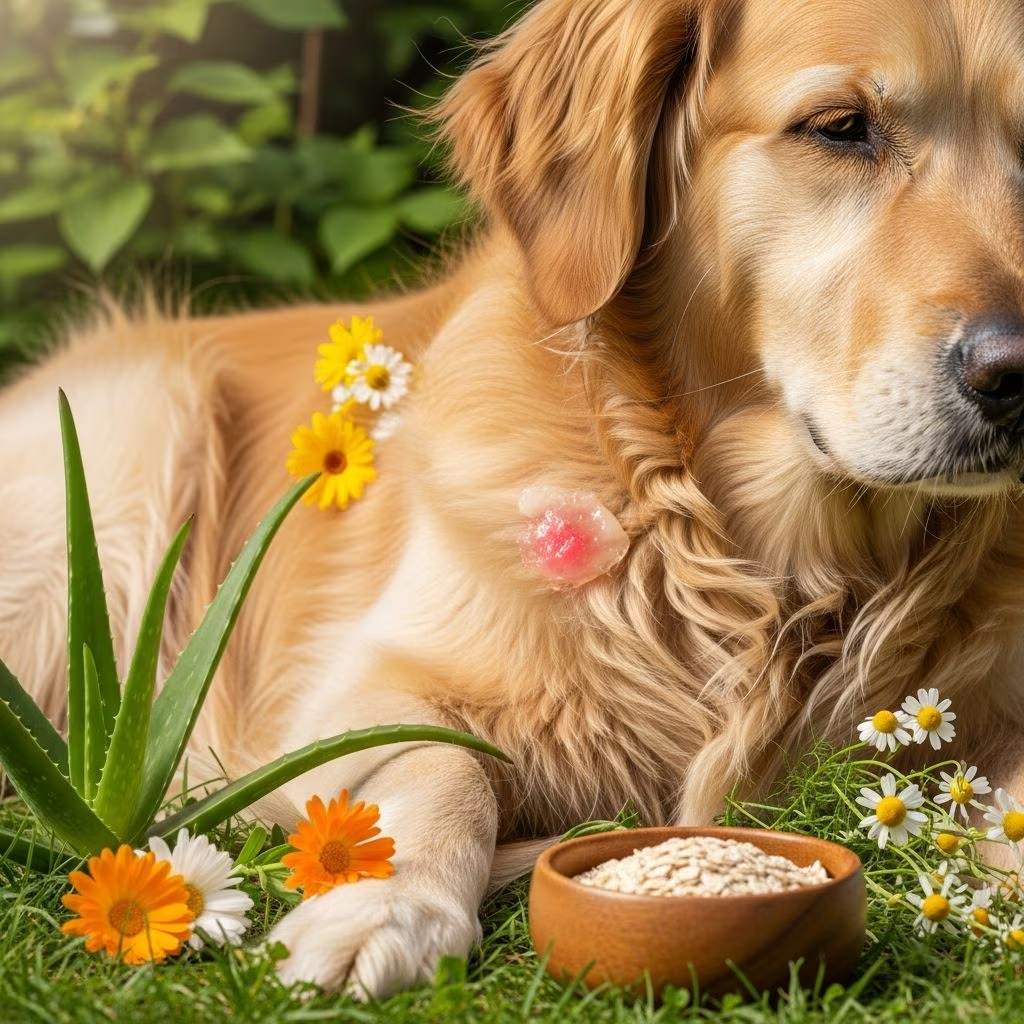
Hot spots, also known as acute moist dermatitis, are painful, inflamed skin lesions that develop rapidly on dogs due to excessive licking, scratching, or chewing. These sores often start small but spread quickly if not addressed, leading to secondary bacterial infections. While conventional veterinary care is essential for severe cases, many pet owners turn to holistic approaches focusing on root causes and natural healing to prevent recurrence and promote overall wellness.
Recognizing the Signs of Hot Spots Early
Early detection is crucial for managing hot spots effectively. Look for red, moist, oozing patches of skin, typically 1-4 inches in diameter, that feel warm to the touch. Common locations include the head, paws, hips, and tail base. Dogs may show signs of discomfort such as whining, restlessness, or obsessive grooming. Self-trauma from itching creates a vicious cycle where the damaged skin becomes more irritating, prompting further licking.
- Visual cues: Hair loss around the lesion, foul odor from infection.
- Behavioral changes: Sudden focus on one area, reluctance to be touched.
- Progression risks: Without intervention, hot spots can deepen into ulcers or abscesses.
Primary Triggers Behind Hot Spots
Understanding what sparks hot spots allows for targeted prevention. These lesions rarely occur in isolation; they stem from underlying issues that provoke intense itching or irritation.
Allergies: The Leading Culprit
Allergies top the list of hot spot triggers, affecting up to 15-20% of dogs. Environmental allergens like pollen, grass, dust mites, and mold cause atopic dermatitis, leading to widespread itchiness. Food sensitivities to proteins like beef, chicken, or grains can also manifest as skin problems. Flea allergy dermatitis, even from a single bite, provokes severe reactions in sensitive dogs.
| Allergy Type | Common Triggers | Hot Spot Hotspots |
|---|---|---|
| Environmental | Pollen, mold, dust | Paws, belly, ears |
| Food | Grains, dairy, meats | Face, limbs |
| Flea | Flea saliva | Base of tail, back |
Infections and Parasites
Ear infections from yeast or bacteria often lead to hot spots on the cheek or neck as dogs scratch vigorously. Anal gland issues cause licking around the rear, creating lesions under the tail. Poor grooming allows matted fur to trap moisture, fostering bacterial growth. Parasites like fleas or mites directly irritate the skin.
Environmental and Lifestyle Factors
Excessive moisture from swimming, rain, or bathing without thorough drying sets the stage for hot spots, especially in thick-coated breeds. Boredom or stress prompts compulsive licking, while contact irritants like harsh shampoos or rough surfaces exacerbate issues. Elderly dogs or those with joint pain may lick pressure points like hips.
Holistic Strategies for Immediate Relief
Holistic remedies emphasize gentle cleaning, soothing applications, and breaking the itch-lick cycle without harsh chemicals. Always consult a vet first to rule out deep infections.
Cleaning and Drying Protocols
Clip fur around the lesion to expose the skin to air, reducing moisture. Clean with chlorhexidine solution (diluted 1:10 with water) twice daily to combat bacteria. Pat dry thoroughly; avoid rubbing.
- Use cool water compresses for 5-10 minutes to reduce inflammation.
- Apply natural desiccants like colloidal silver spray or Vetericyn antimicrobial foam.
Natural Topical Healers
Herbal options shine here. Aloe vera gel (pure, organic) cools and heals; apply thinly 2-3 times daily. Calendula ointment promotes tissue repair and fights microbes. Coconut oil, with its lauric acid, moisturizes without greasiness and has antifungal properties. For itch relief, witch hazel astringent dries weepy areas.
A 1% hydrocortisone cream (vet-approved) or pramoxine-based sprays offer temporary steroid-free relief. Essential oil blends like lavender and chamomile in carrier oils calm skin when diluted properly—never use undiluted.
Addressing Root Causes Holistically
Treating symptoms alone leads to repeat episodes. Holistic care targets origins through diet, supplements, and lifestyle tweaks.
Dietary Overhauls for Allergy Relief
Switch to hypoallergenic or novel protein diets (e.g., duck, venison) to identify food triggers via elimination trials lasting 8-12 weeks. Add omega-3 fatty acids from fish oil (1,000mg EPA/DHA per 10lbs body weight daily) to reduce inflammation. Probiotics support gut health, linked to skin conditions.
Supplements and Herbal Supports
Quercetin, a natural antihistamine from apples and onions, stabilizes mast cells—dose at 250-500mg twice daily. Neti pot saline rinses or eye washes prevent secondary ear issues. Milk thistle detoxifies the liver, aiding allergy processing. Yunnan Baiyao powder clots minor bleeding and heals wounds.
- Omega-3s: Anti-inflammatory powerhouse.
- Probiotics: Balance microbiome for immunity.
- Quercetin: Blocks histamine release.
Preventive Lifestyle Adjustments
Regular flea preventives like topical fipronil or oral isoxazolines stop parasite allergies. Bathe bi-weekly with oatmeal or medicated shampoos, ensuring full drying. Increase exercise and mental stimulation to curb boredom licking. Acupuncture or chiropractic care addresses pain-related licking in seniors.
Integrating Conventional and Holistic Care
For moderate to severe hot spots, vets may prescribe oral antibiotics (e.g., cephalexin) or Apoquel (oclacitinib) for itch, but pair with holistics. Recent 2025 guidelines prioritize topical antimicrobials over systemic drugs for uncomplicated cases, aligning with natural preferences. E-collars or recovery suits prevent access while healing occurs, typically 7-14 days.
| Severity Level | Holistic First-Line | Vet Intervention |
|---|---|---|
| Mild | Clip, clean, aloe/herbals | Monitor |
| Moderate | Supplements + topicals | Antibiotics if infected |
| Severe | Supportive care | Sedation, meds, cone |
FAQs on Dog Hot Spots
Can hot spots heal on their own?
Rarely, as licking perpetuates damage. Intervention stops the cycle for 7-10 day healing.
Are hot spots contagious?
No, but bacteria can spread to other pets if hygiene lapses.
Which breeds are prone?
Thick-coated ones like Golden Retrievers, Labs, and long-eared breeds like Spaniels.
How to prevent summer flares?
Dry coats post-swim, flea control, allergy diets.
When to rush to the vet?
If spreading rapidly, pus-filled, or dog lethargic/feverish.
Breed-Specific Considerations
Double-coated breeds like Huskies trap moisture easily; brush daily. Drop-eared dogs risk ear-hot spot links; clean ears weekly with vinegar-water. brachycephalics like Bulldogs have skin folds prone to pyoderma.
Long-Term Skin Health Blueprint
Build resilience with rotation diets, seasonal allergy preps (start quercetin pre-pollen), and routine grooming. Track episodes in a journal to spot patterns. Holistic vets offer allergy testing for custom desensitization. Consistent care minimizes vet visits and keeps tails wagging.
References
- Hot Spots on Dogs: Causes and Treatments — Maple Grove Pet Hospital. 2023. https://maplegrovepethospital.com/blog/hot-spots-on-dogs-causes-and-treatments/
- Hot Spots on Dogs: Causes, Treatment, and Home Remedies — PetMD. 2024-01-15. https://www.petmd.com/dog/general-health/hot-spots-dogs
- Hot Spots in Dogs — VCA Animal Hospitals. 2024. https://vcahospitals.com/know-your-pet/hot-spots-in-dogs
- Hot Spot Treatments and Prevention on Dogs — American Kennel Club. 2024-06-10. https://www.akc.org/expert-advice/health/hot-spots-on-dogs/
- That itches! A guide to canine hot spots — Virginia Tech Veterinary Teaching Hospital. 2025. https://vth.vetmed.vt.edu/animal-care-tips/vetmed-pet-canine-hot-spots.html
- Hot spots — Cornell University College of Veterinary Medicine. 2023-08-20. https://www.vet.cornell.edu/departments-centers-and-institutes/riney-canine-health-center/canine-health-topics/hot-spots



