Dog Car Sickness: Natural Tips To Ease Travel
Discover effective natural strategies to help your dog overcome motion sickness during car trips and enjoy stress-free travel.
Natural Ways to Ease Dog Car Sickness
Dog car sickness affects many pets, causing discomfort during travel due to motion or anxiety. Natural remedies and behavioral adjustments can significantly reduce symptoms without relying on medications.
Understanding the Roots of Canine Travel Discomfort
Car sickness in dogs arises from disruptions in the vestibular system within the inner ear, which regulates balance. When a vehicle moves, this system sends conflicting signals to the brain, triggering nausea similar to human motion sickness. Puppies are particularly susceptible because their inner ear structures are still developing, though many outgrow it by maturity.
Psychological factors play a major role too. Dogs associating cars with stressful events, like vet visits, develop anxiety that mimics or worsens physical symptoms. This conditioning leads to nausea even before motion begins. Breeds such as Boxers, Border Collies, and Dachshunds may be more prone, but any dog can experience it.
Other contributors include underlying issues like ear infections or medications causing gastrointestinal upset. Observing patterns—such as symptoms starting pre-travel—helps distinguish physical from anxiety-based causes.
Spotting the Signs Early
Recognizing symptoms promptly allows for intervention. Common indicators include:
- Excessive drooling or lip licking
- Panting and whining
- Restlessness or pacing
- Yawning or shaking
- Vomiting or diarrhea in severe cases
These signs often appear shortly after starting the car, varying by trip length and dog’s age. Puppies show them more intensely, while anxious adults may tremble or refuse to enter the vehicle.
Building Positive Car Associations Gradually
Desensitization is a cornerstone natural remedy. Start by making the car a pleasant place without driving:
- Feed treats or meals inside the stationary car.
- Play with toys or offer praise during short sits.
- Gradually introduce engine idling with rewards.
Progress to brief drives around the block, increasing duration as tolerance builds. Consistency rewires negative associations, reducing anxiety-driven sickness over weeks. Pair sessions with calming elements like soft music or a familiar blanket.
Practical Travel Adjustments for Comfort
Optimize the car environment to minimize sensory overload:
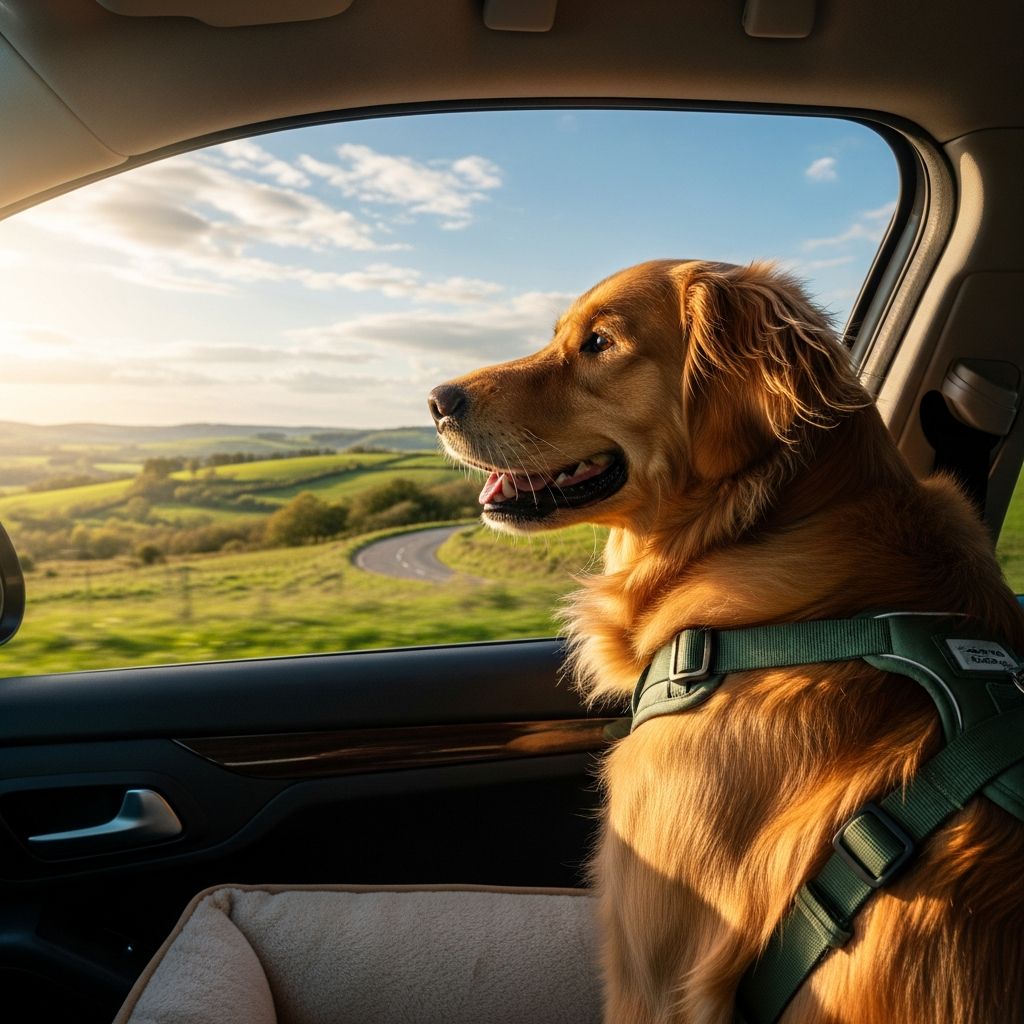
- Position your dog to face forward, securing them in a crate or harness for stability.
- Maintain cool air via AC or cracked windows to soothe nausea.
- Keep trips short initially, stopping for breaks to walk and hydrate.
Avoid feeding heavy meals 2-3 hours before travel; opt for light snacks. Security items like a favorite toy provide reassurance.
| Travel Tip | Benefit | Implementation |
|---|---|---|
| Crate Training | Reduces motion perception | Use ventilated crate mid-car with padding |
| Cooling Measures | Prevents overheating | AC on low, fans directed at pet |
| Breaks Every 1-2 Hours | Allows recovery | Water, short walks during stops |
| Calm Audio | Masks noises | Low-volume classical music or white noise |
Ginger and Herbal Supports
Ginger, a natural anti-nausea aid, calms stomachs effectively. Administer as chews, powder in food (1/4 tsp per 20 lbs body weight), or tea (cooled, 1-2 tsp for small dogs). Start doses days before travel to assess tolerance.
Other herbs include chamomile for relaxation (tea form) and fennel for digestion. Consult a vet for dosing, especially with health conditions. These align with holistic approaches, avoiding pharmaceuticals.
Acupressure and Massage Techniques
Target pressure points to alleviate nausea:
- Shen Men point on ear tip: Gently rub for 1-2 minutes pre-trip.
- CV12 point (mid-abdomen): Circular massage to settle stomach.
- Full-body strokes from head to tail promote relaxation.
Practice daily to build efficacy. Combine with deep breathing exercises where you exhale slowly near your dog to sync calming rhythms.
Environmental and Routine Enhancements
Cover windows partially to steady visuals, preventing scenery blur that confuses the inner ear. Use pheromone diffusers mimicking maternal scents for anxiety relief. Consistent pre-travel routines—like a specific harness or command—signal positivity.
For multi-dog households, travel separately initially to isolate issues. Track progress in a journal noting symptoms, remedies, and improvements.
When Natural Methods Need Backup
Monitor for persistent or worsening symptoms, signaling ear issues or other conditions. Sudden onset in older dogs warrants vet evaluation for vestibular disease. While natural remedies excel, integrate vet advice for tailored plans, potentially including Cerenia if needed.
Long-Term Prevention Strategies
Foster lifelong comfort through regular short trips for fun outings, not just necessities. Age-related outgrowing occurs in many, but proactive steps ensure resilience. Holistic diets supporting gut health indirectly aid nausea resistance.
Frequently Asked Questions
Can all dogs outgrow car sickness?
Many puppies do as ears mature, but adults with anxiety may need training.
Is ginger safe for every dog?
Generally yes in moderation; avoid in pregnant or bleeding-disorder dogs. Vet confirmation advised.
How long does desensitization take?
2-6 weeks with daily sessions, varying by dog.
What if symptoms include diarrhea?
Rule out medical causes; hydrate and use probiotics naturally.
Are there breed-specific tips?
High-energy breeds like Border Collies benefit extra from exercise pre-trip.
References
- Canine Car Sickness: Causes, Symptoms & How to Help Your Dog — Express Vets Cumming. Accessed 2026. https://www.expressvetscumming.com/blog/canine-car-sickness-causes-symptoms-how-to-help-your-dog
- Dog Motion Sickness: What It Is and How To Help Your Dog — PetMD. Accessed 2026. https://www.petmd.com/dog/conditions/digestive/dog-motion-sickness-what-it-and-how-help-your-dog
- Motion Sickness In Dogs: Signs and How to Help — Wedgewood Pharmacy. Accessed 2026. https://www.wedgewood.com/blog/motion-sickness-in-dogs-signs-and-how-to-help/
- Motion Sickness in Dogs — VCA Animal Hospitals. Accessed 2026. https://vcahospitals.com/know-your-pet/motion-sickness-in-dogs
- Carsickness and Motion Sickness in Dogs — Small Door Veterinary. Accessed 2026. https://www.smalldoorvet.com/learning-center/wellness/carsickness-dogs
- Carsickness in Dogs: What to Know — American Kennel Club. Accessed 2026. http://www.akc.org/expert-advice/health/car-sickness-in-dogs/
Similar Articles






Read full bio of medha deb