

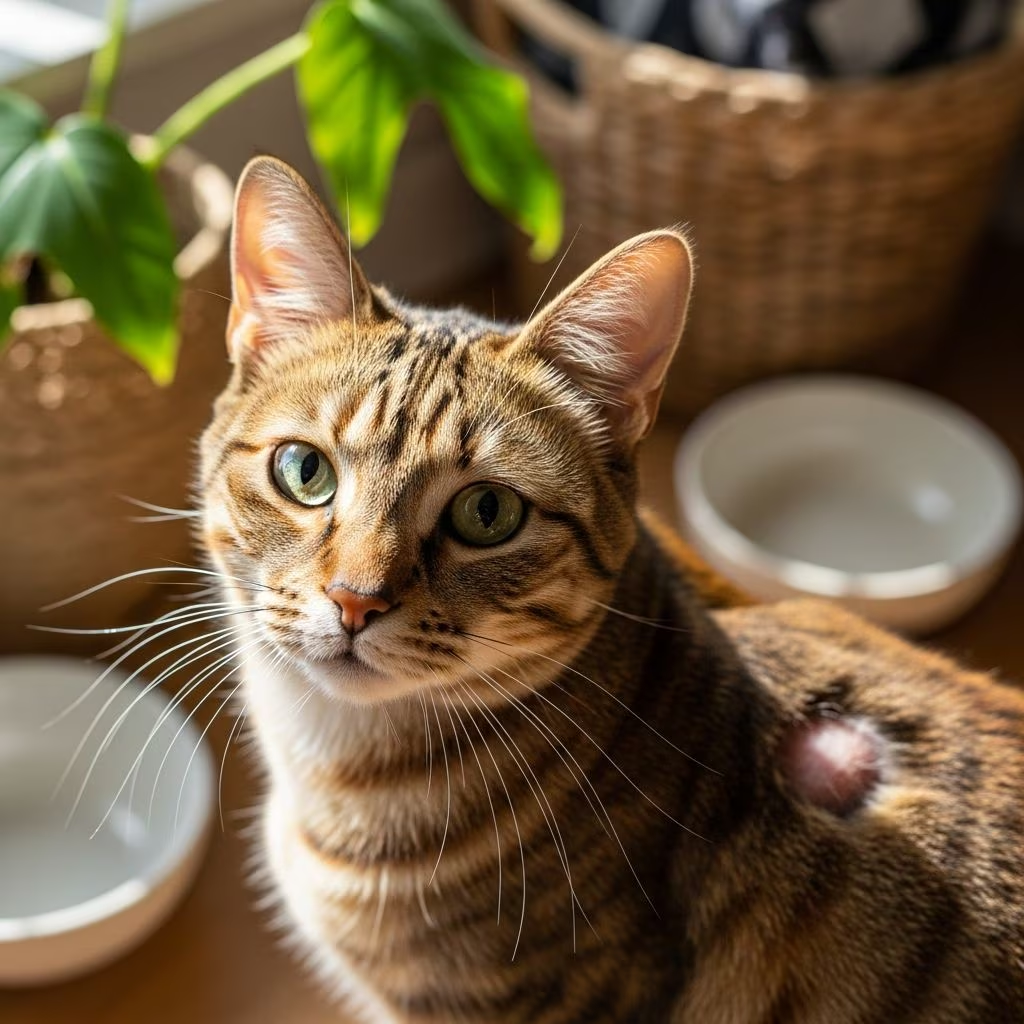
Ringworm represents a frequent fungal challenge for cats, manifesting as circular patches of hair loss, redness, and scaling on the skin. Unlike its name suggests, this condition stems from dermatophytes—fungi that thrive on keratin in hair, skin, and nails—rather than worms. Effective management at home focuses on curbing spread, soothing symptoms, and supporting recovery, always alongside professional veterinary input for optimal outcomes.
Grasping the Nature of Feline Ringworm
This infection, medically termed dermatophytosis, primarily affects kittens, long-haired breeds, and cats with weakened immunity. Transmission occurs through direct contact with infected animals, contaminated environments, or even humans carrying spores. Symptoms typically include bald spots with broken hairs, scaly or crusty skin, and mild itching, often appearing on the head, ears, or limbs. Early detection proves crucial, as untreated cases can persist for months and spread to household members or other pets.
Diagnosis usually involves a vet’s examination, possibly including fungal cultures or Wood’s lamp tests for fluorescence under ultraviolet light. While prescription antifungals like oral itraconazole or topical creams form the cornerstone of treatment, many owners seek complementary natural strategies to ease discomfort and limit contagion during the healing process.
Core Home Management Strategies
Before delving into remedies, establish foundational practices to isolate and contain the fungus. Ringworm spores remain viable in the environment for up to 18 months, necessitating rigorous cleaning.
- Isolate the cat: Confine your feline to a single, easy-to-clean room, away from other pets and children, using separate litter boxes and bedding.
- Daily grooming: Gently brush the coat outdoors to remove loose spores, disposing of debris immediately.
- Environmental sanitation: Vacuum carpets and furniture daily, followed by disinfection using 1:10 bleach solutions or accelerated hydrogen peroxide cleaners on hard surfaces. Wash fabrics in hot water with antifungal additives.
- Hand hygiene: Wash hands thoroughly after handling the cat, and avoid face-touching to prevent zoonotic transmission.
These steps significantly reduce reinfection risks and support any topical treatments applied.
Safe and Simple Topical Remedies
Several household items offer antifungal and soothing properties suitable for feline use. Apply these sparingly after patch-testing on unaffected skin for 24 hours to rule out irritation.
Cleaning with Mild Soap and Lukewarm Water
The simplest first line of defense involves bathing the affected areas with diluted, fragrance-free pet shampoo or mild dish soap in lukewarm water. This mechanically removes spores and debris, preventing further spread. Lather gently, rinse thoroughly, and pat dry completely—moisture fuels fungal growth. Repeat daily until lesions fade, combining with other remedies for enhanced effect.
Soothing Application of Pure Aloe Vera Gel
Extracted from aloe leaves, this gel provides antiseptic, antifungal, and cooling relief for inflamed skin. Its compounds inhibit fungal proliferation while reducing itchiness. Dab fresh gel directly on patches 3-4 times daily, allowing it to absorb naturally. Though some debate its safety due to rare saps, purified gel from vetted sources poses minimal risk for topical use on cats.
Antifungal Boost from Apple Cider Vinegar
Raw, unfiltered apple cider vinegar (ACV) harbors acetic acid with proven inhibitory effects against dermatophytes. Soak a cotton swab in undiluted ACV and wipe lesions 2-3 times per day. The acidity disrupts fungal cell walls without harming feline skin when used judiciously. Monitor for stinging; dilute 1:1 with water if needed.
Moisturizing with Virgin Coconut Oil
Rich in lauric and caprylic acids, coconut oil penetrates skin to dismantle fungal membranes. Warm a small amount to liquid form and massage into bald spots 3 times daily. It not only combats infection but also conditions the coat, promoting hair regrowth. This remedy shines for its palatability—even if licked, it remains safe.
Advanced Natural Options with Dilution
Essential oils demand caution due to potency; always dilute in carrier oils like fractionated coconut or almond oil at 1-2% ratios (e.g., 1 drop oil per teaspoon carrier).
Lemongrass Oil Mixtures
Known for broad-spectrum antifungal action, diluted lemongrass oil targets ringworm effectively. Mix 2-3 drops with 1 teaspoon carrier, apply to spots 3-4 times daily. A cooled lemongrass tea compress offers a milder alternative.
Myrrh Oil Poultices
Derived from resinous tree sap, myrrh exhibits strong antimicrobial qualities. Create a poultice by blending diluted myrrh oil with aloe or a thickener, apply for 10-15 minutes, then rinse. Use 2-3 times daily for rapid lesion clearance, but source therapeutic-grade products.
Remedies to Strictly Avoid
Not all touted “natural” cures suit cats; some prove outright dangerous due to toxicity.
| Substance | Risk to Cats | Reason |
|---|---|---|
| Tea Tree Oil | High Toxicity | Can cause neurological damage, tremors, even coma upon ingestion or absorption. |
| Garlic or Oregano Oil | Toxic | Hemolytic anemia from sulfur compounds; oregano unsuitable for felines. |
| Grapefruit Seed Extract | Irritant/Toxic | Benzethonium chloride additives harm skin and liver. |
| Bleach Topicals | Burns/Poison | Chemical burns and systemic poisoning if licked. |
| Colloidal Silver | Ineffective | Lacks antifungal evidence; risks argyria (skin discoloration). |
Steer clear of these to safeguard your cat’s health. Papaya and betadine offer scant benefits without risks.
Supportive Holistic Aids
Boost internal defenses with immune-enhancing supplements under vet supervision.
- Turmeric paste: Blend powder with coconut oil and a pinch of black pepper; apply topically or add minimally to food for anti-inflammatory effects.
- Chamomile rinses: Cooled tea soothes itch and inflammation; apply via soaked cloth without rinsing.
- Omega-3 fatty acids: Fish oil supplements promote skin barrier health and reduce inflammation.
- Herbal blends: Vet-formulated options with neem, echinacea, or goldenseal target fungi systemically.
Recognizing When Veterinary Intervention is Essential
Home remedies aid symptom relief but rarely eradicate deep infections alone. Seek immediate vet care if:
- Lesions spread rapidly or exceed 5-10 patches.
- Your cat shows lethargy, appetite loss, or nail involvement.
- No improvement after 7-10 days of consistent home care.
- Multiple pets or immunocompromised household members are present.
Vets may prescribe lime sulfur dips—safe, smelly solutions that kill fungi on contact—or systemic medications. Full recovery spans 4-6 weeks with twice-weekly cultures to confirm negativity.
Preventing Future Outbreaks
Proactive measures fortify your cat against recurrence.
- Maintain stress-free environments, as anxiety suppresses immunity.
- Provide balanced nutrition rich in biotin and zinc for skin resilience.
- Conduct routine vet check-ups, especially for multi-cat homes or shelters.
- Quarantine new cats for 2-3 weeks with fungal testing.
Frequently Asked Questions (FAQs)
Can ringworm resolve without treatment?
Possibly in healthy adults, but it often lingers 2-4 months, risking spread. Treatment accelerates healing and containment.
Is ringworm contagious to humans?
Yes, particularly children, elderly, or immunocompromised individuals. Practice strict hygiene.
How long is a cat with ringworm contagious?
Until two consecutive negative cultures, typically 3-6 weeks with treatment.
Does clipping fur help?
Yes, it exposes lesions for treatment and reduces spore shedding, but use clippers on low power and disinfect thoroughly.
Are over-the-counter antifungal creams safe?
Some like clotrimazole are, but consult your vet; many contain ingredients cats metabolize poorly.
Final Thoughts on Holistic Ringworm Care
Integrating natural remedies with diligent hygiene empowers cat owners to manage ringworm effectively at home. While soap washes, ACV, and coconut oil provide accessible relief, they complement—not replace—veterinary protocols. Patience and consistency yield the best results, restoring your cat’s vibrant coat and comfort swiftly.
References
- Ringworm and Your Cat | How To Spot It and What To Do — Home & Roost. 2023-01-15. https://homeandroost.co.uk/blogs/cats/ringworm-and-your-cat
- 6 Natural Home Remedies to Treat Ringworm in Cats — Catster. 2024-05-20. https://www.catster.com/cat-health-care/home-remedies-to-treat-ringworm/
- How to Treat Ringworm in Dogs and Cats Naturally — Adored Beast Apothecary. 2023-11-10. https://blog.adoredbeast.com/how-to-treat-ringworm-in-dogs-and-cats-naturally/
- Helping Kittens with Ringworm! — YouTube (Kitten Lady channel). 2022-08-05. https://www.youtube.com/watch?v=j0-11kPQHqA
- Vet-Formulated Natural Support for Ringworm in Cats — NHV Natural Pet Products. 2024-02-14. https://www.nhvnaturalpetproducts.com/cats/conditions/ringworm/
- Treating Ringworm — Shelter Medicine, UW–Madison School of Veterinary Medicine. 2023-09-01. https://sheltermedicine.wisc.edu/library/guidebooks/ringworm/treating-ringworm
- What to do if your cat has a ringworm infection — Vetster. 2024-07-12. https://vetster.com/en/wellness/what-to-do-if-your-cat-has-a-ringworm-infection



