

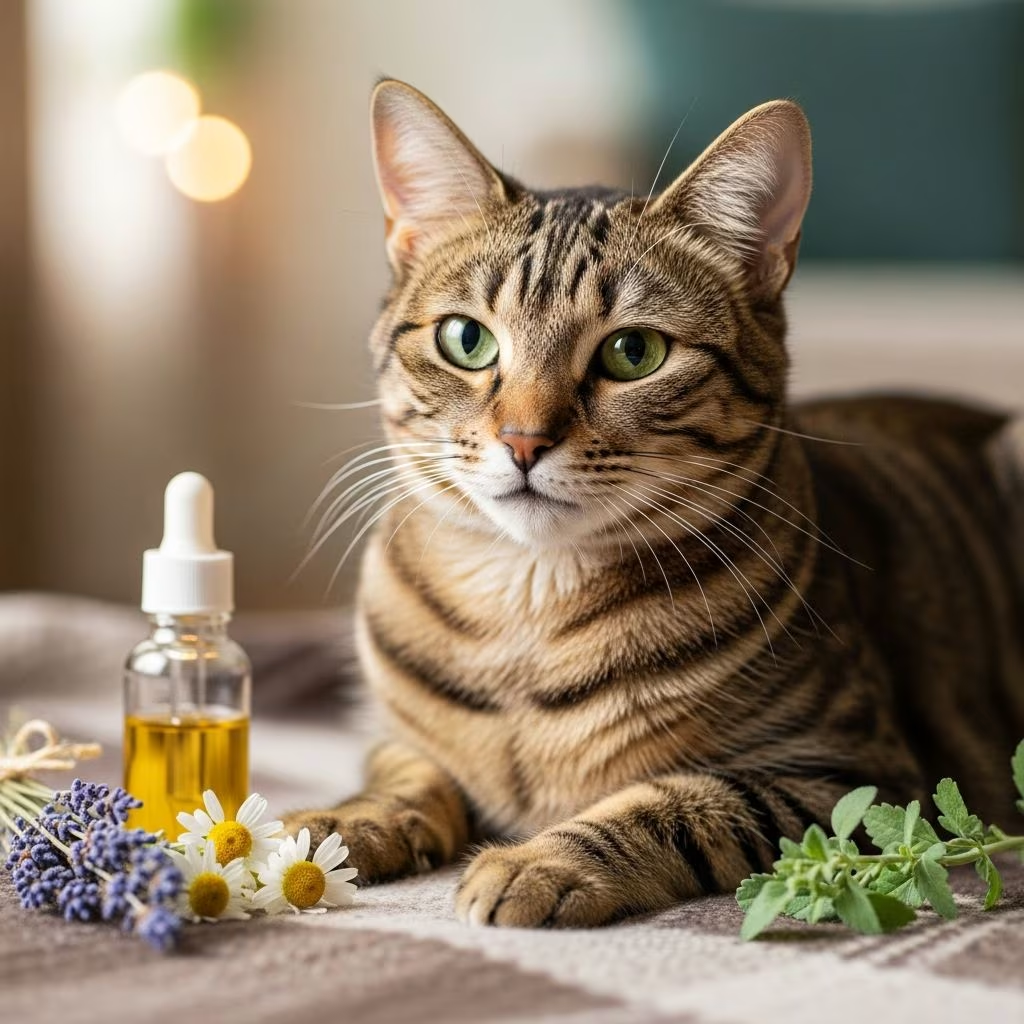
Excessive licking in cats often signals underlying issues like skin irritation, anxiety, or medical conditions. Addressing it naturally involves identifying causes and applying gentle, effective remedies to promote healing and comfort.
Recognizing Signs of Problematic Licking
Cats groom to maintain hygiene, but over-licking leads to bald patches, red skin, or wounds. Watch for concentrated licking on belly, legs, or flanks, which may indicate allergies or stress. Unlike normal grooming, this behavior persists despite clean fur and can escalate to hair loss or self-injury.
- Bald spots: Common on hindquarters from flea allergies or anxiety.
- Red, inflamed skin: Suggests irritation from parasites or food sensitivities.
- Compulsive patterns: Non-stop licking even during rest, pointing to psychological triggers.
Early detection prevents complications like infections. Monitor for a week; if unchanged, consult a vet to rule out urinary issues or arthritis.
Common Triggers Behind Excessive Licking
Understanding root causes guides targeted solutions. Parasites top the list, followed by allergies, stress, pain, and diet.
| Cause | Symptoms | Prevalence |
|---|---|---|
| Fleas/Mites | Itchy bald spots, scabs | High in multi-pet homes |
| Allergies (Food/Environmental) | Chronic paw/belly licking | Common in sensitive breeds |
| Stress/Anxiety | Overgrooming during changes | Frequent in indoor cats |
| Pain (Joints/Bladder) | Localized licking over joints/genitals | Increases with age |
| Diet Issues | Dry skin, general itchiness | Linked to poor nutrition |
Parasites cause intense itch via saliva allergens, prompting the ‘itch-scratch cycle.’ Stress from new pets or moves disrupts normal behavior, while pain from cystitis leads to ventral abdominal licking.
Step-by-Step Natural Remedies for Relief
Start with vet clearance, then layer remedies: parasite control, skin support, anti-inflammatories, and calmers.
1. Eradicate Parasites Naturally
Fleas drive 50% of overgrooming cases. Use food-grade diatomaceous earth (DE), a powder from fossilized algae that dehydrates insects safely. Dust lightly on fur weekly, avoiding eyes/nose. Combine with omega-3 baths for soothing.
- Sprinkle via shaker for even coverage.
- Vacuum daily to remove debris.
- Expect improvement in 1-2 weeks.
2. Nourish Skin with Essential Fatty Acids
Omega-3s from krill or fish oil reduce inflammation and strengthen the skin barrier. Dose 500-1000mg daily for cats; mix in food. They counter allergens and heal hot spots effectively.
Benefits include lowered itch signals and better moisture retention, breaking the lick cycle.
3. Harness Natural Antihistamines
Quercetin, a plant flavonoid, stabilizes mast cells to curb histamine release. Administer 50mg daily for allergies. It’s gentle and supports overall immune balance without drowsiness.
4. Ease Anxiety with Herbal Calmers
Stress fuels 30% of cases. L-theanine (50-100mg/day) promotes relaxation via brain waves. Valerian tincture (1/4 dropper/10lbs, 2-3x daily) aids acute stress. CBD oil (3mg/10lbs, twice daily) reduces anxiety and inflammation broadly.
- Catnip toys: Spark play to release endorphins.
- Synthetic pheromones: Diffuse for territorial calm.
5. Support Joint and Urinary Health
For seniors, glucosamine/MSM lubricates joints; apply topically or orally. Canned food hydrates for bladder support. CBD doubles for pain relief.
Environmental and Behavioral Adjustments
Remedies amplify with habitat tweaks. Provide scratching posts, vertical spaces, and puzzle feeders to cut boredom. Desensitization exposes cats gradually to triggers with treats, reshaping responses.
Counterconditioning pairs stressors with positives, like play during visitor arrivals. Regular brushing removes loose fur, reducing ingestion and itch.
Physical Barriers as Temporary Aids
When licking wounds, use soft collars. Elizabethan cones prevent access; DIY paper-plate versions work short-term. Bitter sprays (cayenne-based, vet-approved) deter mild cases without harm.
Avoid long-term use; focus on causes for lasting fixes.
Dietary Strategies to Prevent Relapse
Exclusion trials (12 weeks, novel proteins) identify allergies. Add fatty acids or hydrolyzed foods. Hydration via fountains curbs urinary licking.
Monitoring Progress and When to Seek Help
Track licking daily; expect 50% reduction in 2-4 weeks. Persistent issues need vet for tests/meds like fluoxetine for compulsions.
FAQs
Why is my cat licking its belly excessively?
Often urinary pain or stress; check for straining.
Can omega-3s alone stop overgrooming?
They help inflammation but pair with parasite control.
Is CBD safe for cats?
Yes, at low doses (3mg/10lbs); vet-guided.
How to make a DIY cone?
Cut paper plate center, fit around neck with tape.
What if natural remedies fail?
Vet for allergies, infections, or behaviorists.
References
- Cat Licking Too Much? The Real Reasons and How to Help Naturally — Veterinary Secrets. 2023. https://veterinarysecrets.com/cat-licking-too-much-how-to-help/
- STOP IT! How to Stop Your Cat From Licking — PetPlace. 2022-10-15. https://www.petplace.com/article/cats/pet-health/stop-it-how-to-stop-your-cat-from-licking
- Help, My Cat’s Pulling Their Hair Out! What Do I Do? — Chewy. 2024. https://www.chewy.com/education/cat/training-and-behavior/cat-pulling-hair-out
- Cats and Compulsive Scratching, Licking, and Chewing — WebMD. 2023-05-20. https://www.webmd.com/pets/cats/features/cats-and-compulsive-scratching-licking-and-chewing
- Cat Overgrooming: What it Looks Like & How to Stop It — Zoetis Petcare. 2024-01-10. https://www.zoetispetcare.com/blog/article/cat-overgrooming
- Why Cats Overgroom and How You Can Stop It — PetMD. 2025. https://www.petmd.com/cat/general-health/how-tell-if-your-cat-over-grooming



