

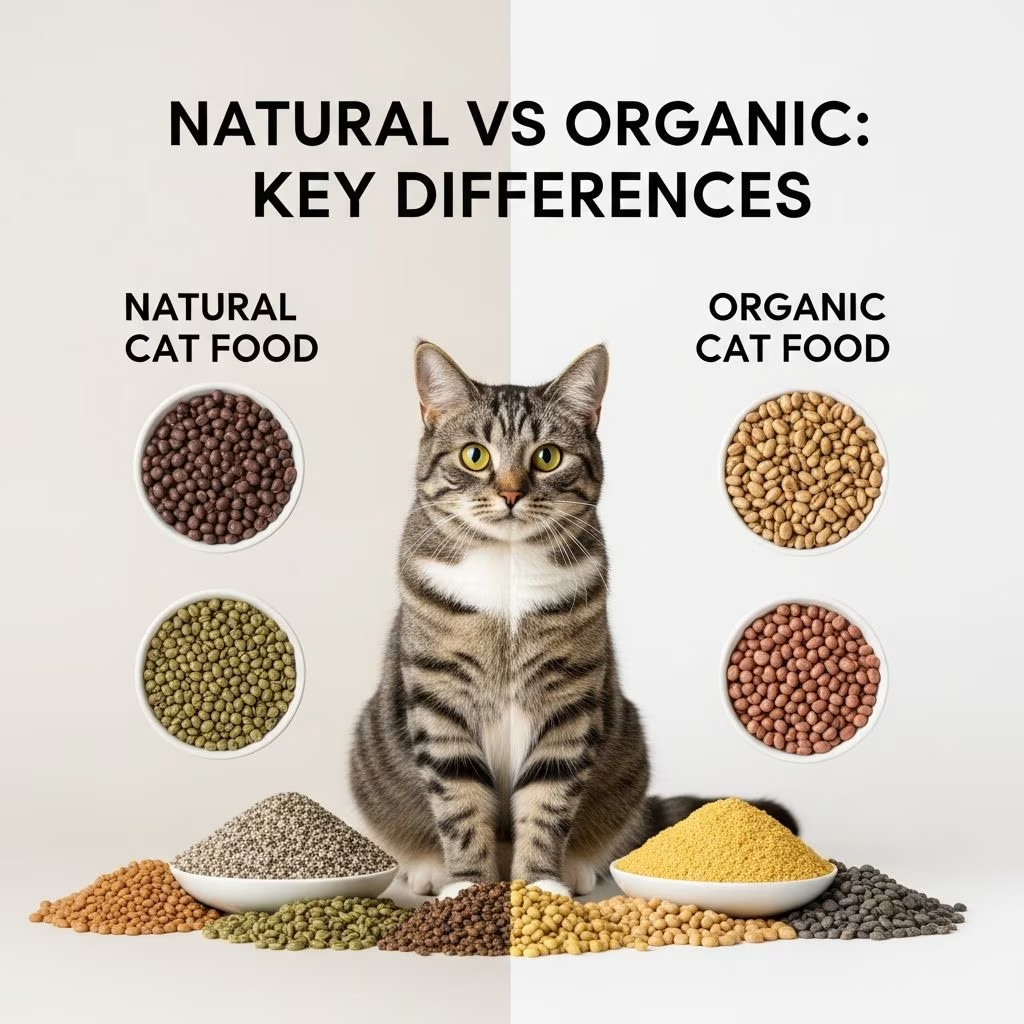
Cat owners often encounter labels like “natural” and “organic” on pet food packaging, but these terms carry distinct meanings regulated by industry standards. Natural cat food emphasizes minimal processing and avoidance of synthetic additives, while organic cat food requires certified production methods free from chemicals and GMOs. Understanding these differences helps in selecting diets that align with health, ethical, and budgetary priorities.
Defining Natural Cat Food Standards
The term “natural” in cat food refers to ingredients derived from plant, animal, or mined sources without chemical synthesis. According to the Association of American Feed Control Officials (AAFCO), natural ingredients cannot undergo chemically synthetic processes or contain synthetic additives, though trace amounts from manufacturing are permitted. Physical processes like heat treatment, extraction, or fermentation still qualify as natural.
This classification allows natural cat foods to use preservatives such as mixed tocopherols (vitamin E), vitamin C, or rosemary extract instead of synthetics like BHA or BHT. These options preserve freshness while maintaining a profile closer to whole foods, potentially enhancing palatability and digestibility for cats.
- Focuses on minimally processed meats and whole ingredients.
- Excludes artificial colors, flavors, and preservatives.
- Supports better nutrient recognition by feline digestive systems.
Understanding Organic Cat Food Regulations
Organic cat food adheres to stricter USDA guidelines, requiring at least 95% of ingredients to be organically produced for the primary “organic” label. This certification demands no synthetic pesticides, herbicides, fertilizers, antibiotics, or growth hormones in production. Animals providing meat must receive organic feed, access outdoors, and avoid prohibited treatments.
Label variations include “100% Organic” for fully organic products, “Made with Organic” for 70-95% organic content, and lesser percentages for partial claims. Organic standards also prohibit GMOs, irradiation, and sewage sludge fertilizers, promoting sustainability and reduced chemical exposure.
| Label Type | Organic Content Requirement |
|---|---|
| 100% Organic | All ingredients organic |
| Organic | 95%+ organic ingredients |
| Made with Organic | 70-95% organic ingredients |
| Less than 70% | Lists specific organic items |
Ingredient Sourcing and Production Methods
Natural cat foods prioritize high-quality, minimally processed proteins like chicken or fish without specifying farming practices. Organic versions ensure these proteins come from certified organic sources, meaning livestock raised under welfare-focused conditions with environmental benefits.
Both avoid fillers and emphasize whole foods, but organic certification verifies the entire supply chain. This includes non-GMO plants and ethical animal husbandry, potentially lowering residue risks from pesticides or hormones.
Nutritional Profiles and Health Impacts
High-quality natural and organic cat foods deliver complete nutrition meeting AAFCO standards, with protein as the cornerstone for feline obligate carnivores. Differences lie in production rather than core nutrients; both offer comparable amino acid profiles essential for taurine and arginine needs.
Research on organic vs. conventional foods shows varied results, with some indicating higher antioxidants or omega-3s in organic options. For cats, minimal processing in both enhances digestibility and bioavailability, reducing allergy risks from synthetics.
- Protein Quality: Similar high levels from real meats.
- Digestibility: Improved by whole ingredients over processed kibble.
- Benefits: Shinier coats, steady energy, fewer sensitivities.
Health Advantages of Each Category
Why Choose Natural Cat Food?
Natural diets minimize artificial additives, supporting immune health and digestion. Cats often exhibit better stool quality, vitality, and coat shine. The nutrient diversity from whole sources aids overall wellness without hyperactivity from dyes.
Benefits of Organic for Cats
Organic reduces toxin exposure, ideal for sensitive or senior cats. It aligns with eco-friendly values, as sustainable farming preserves soil and biodiversity. Long-term, it may support longevity by limiting chemical residues.
Cost Analysis and Practical Considerations
Organic cat food commands a premium due to certification, lower yields, and labor-intensive methods—often 20-50% more than natural. Natural sits mid-range, balancing quality and affordability over conventional foods with fillers.
| Factor | Natural | Organic |
|---|---|---|
| Price Range | Mid-premium | High-premium |
| Certification Cost | Minimal | Third-party verified |
| Value for Budget | Good quality compromise | Premium for ethics |
Assess your cat’s needs: natural suffices for most healthy felines, while organic suits those prioritizing purity or sustainability.
How to Read Cat Food Labels Effectively
Scrutinize ingredient lists: named meats first indicate quality protein. Avoid vague “meat by-products.” Check for AAFCO completeness statements and guaranteed analysis for protein/fat minimums (26-30% protein typical).
Verify claims: “natural” lacks USDA oversight, so trust reputable brands. Organic seals provide assurance via audits.
Environmental and Ethical Dimensions
Organic production fosters biodiversity, reduces pollution, and ensures humane treatment. Natural foods contribute less directly but avoid synthetics. Both outperform conventional in sustainability when filler-free.
Transitioning Your Cat to Premium Foods
Switch gradually over 7-10 days: mix 25% new with 75% old, increasing incrementally. Monitor for digestive upset; probiotics aid adjustment.
Frequently Asked Questions (FAQs)
Is organic cat food nutritionally superior to natural?
Not inherently; both can be balanced. Organic excels in sourcing purity.
Can all cats benefit from natural or organic diets?
Yes, especially those with allergies or picky eating, but consult vets for medical cases.
What’s the difference in preservatives?
Natural uses tocopherols/rosemary; organic matches but from certified sources.
Are there grain-free options in both?
Abundant; check for novel proteins like lamb or fish.
How much more does organic cost?
Typically 30-50% higher per bag/can.
Choosing the Right Food for Your Cat
Evaluate age, activity, health: kittens need growth formulas, seniors joint support. Pair with fresh water and vet checkups. Brands like N&D Farmina offer grain-free natural/organic lines with antioxidants.
Ultimately, prioritize complete nutrition over labels. Both natural and organic elevate diets beyond basics, fostering happier, healthier cats.
References
- Model Bill and Regulations: Natural Claims — Association of American Feed Control Officials (AAFCO). 2023. https://www.aafco.org
- Organic Labeling Standards — United States Department of Agriculture (USDA). 2024-01-15. https://www.usda.gov/topics/organic
- Pet Food Labeling Guide — FDA Center for Veterinary Medicine. 2022-06-10. https://www.fda.gov/animal-veterinary/animal-food-feeds/pet-food-labeling
- Organic vs Conventional Foods: Nutritional Differences — Journal of Agricultural and Food Chemistry (via PubMed). 2021-03-05. https://doi.org/10.1021/acs.jafc.0c07896
- Guidelines for Organic Pet Food Certification — USDA National Organic Program. 2023-11-20. https://www.ams.usda.gov/rules-regulations/organic



