

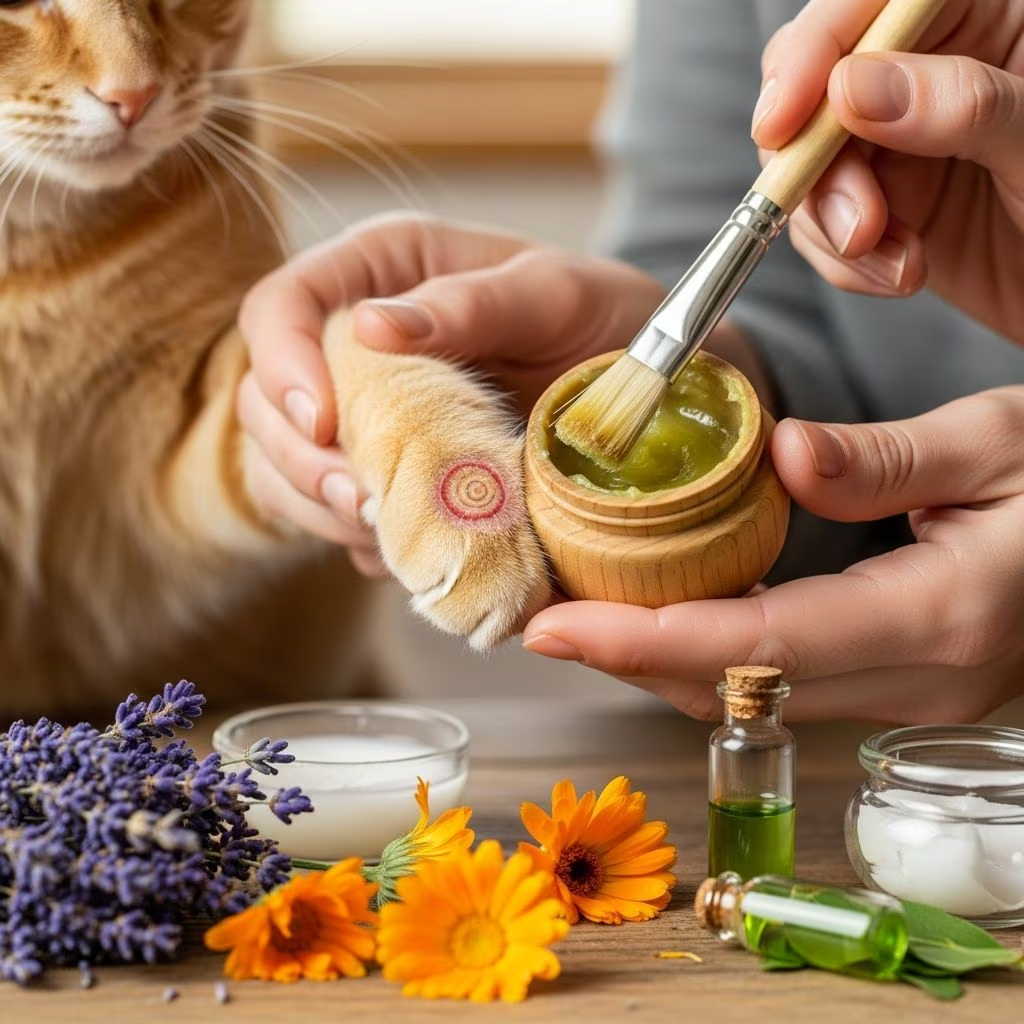
Ringworm is a common fungal infection that affects cats of all ages, causing circular patches of hair loss and skin irritation. Despite its misleading name, ringworm is not caused by a worm but rather by dermatophyte fungi that thrive on the skin and fur of infected animals. When your cat develops ringworm, you may notice symptoms such as patchy hair loss, scaly skin, and areas of inflammation. While professional veterinary treatment is often recommended, many cat owners explore natural remedies as supportive care options alongside conventional therapy or as initial treatment attempts for mild cases.
Understanding Ringworm in Cats
Ringworm spreads through direct contact with infected animals or contaminated surfaces, making it highly contagious in multi-cat households and between cats and humans. The fungal spores can survive in the environment for extended periods, which means treating the infection involves not just topical remedies but also comprehensive household disinfection. Cats with compromised immune systems, kittens, and senior cats face higher infection risks. Recognition of early symptoms allows for quicker intervention and reduces the likelihood of widespread transmission.
Foundation Care: Cleaning and Drying
The most fundamental natural approach to managing ringworm begins with proper hygiene practices. Cleaning the affected areas with warm water and mild soap serves as the first line of defense by physically removing fungal spores and preventing them from spreading to other parts of your cat’s body. This method is particularly effective because it addresses a critical vulnerability of the infection: the fungus thrives in moist environments. After thoroughly cleansing the infected areas, complete drying becomes absolutely essential. Moisture creates an ideal habitat for fungal growth, so using a soft towel or, in some cases, a pet-safe hair dryer on low heat helps eliminate the dampness that perpetuates the infection.
Regular cleaning with warm water and soap should be incorporated into your cat’s daily care routine throughout the infection. The mechanical action of washing removes debris and loosened spores, while the soap helps prevent reinfection. This foundational step can be performed multiple times daily without risk of adverse reactions, making it a safe complement to other treatment methods.
Essential Oils and Plant-Based Treatments
Coconut Oil Application
Coconut oil has gained recognition as a natural antifungal agent due to its composition of fatty acids that disrupt fungal cell membranes, thereby inhibiting the growth of dermatophytes. The oil’s antifungal properties work by damaging the protective structure of fungal cells, making it a biochemically sound approach to treating ringworm. Application involves directly massaging the oil into affected areas at least three times daily, allowing the fatty acids to penetrate and address the infection at the source. Beyond its therapeutic properties, coconut oil also conditions the skin and fur, reducing the secondary dryness and irritation that often accompanies fungal infections. The oily texture may make your cat’s coat appear shinier, though some cats may resist the sensation of oil on their fur.
Apple Cider Vinegar Solution
Apple cider vinegar functions as a potent natural antifungal remedy with documented effectiveness against ringworm-causing fungi. The acidic environment created by vinegar inhibits fungal proliferation and creates an inhospitable environment for spore reproduction. Using undiluted apple cider vinegar, apply the solution to infected areas using a cotton pad or cloth, repeating this treatment up to three times daily. The acidity of the vinegar may cause temporary stinging, so observing your cat’s reaction during initial applications helps determine tolerance. Apple cider vinegar is notably safe for topical feline use, unlike some other essential oils that pose toxicity risks.
Lemongrass Oil with Proper Dilution
Lemongrass essential oil possesses antifungal properties capable of addressing multiple types of fungal infections, including ringworm. However, concentrated lemongrass oil presents significant toxicity concerns for cats. Proper dilution is non-negotiable; mixing two to three drops of lemongrass oil in one teaspoon of a carrier oil such as coconut oil or almond oil creates a safe topical application. This diluted mixture can be applied three to four times daily to affected areas. The dilution process reduces the potency of the essential oil but maintains sufficient antifungal activity while eliminating toxicity risks associated with undiluted application.
Myrrh Oil Poultices
Myrrh oil, derived from tree sap native to Africa and Asia, offers another plant-based option for combating ringworm-related skin infections. Like lemongrass oil, myrrh must be diluted and often works best in poultice form, where the oil-infused material remains in contact with the affected area for extended periods. Advocates report that myrrh poultices can produce visible improvements within several days of consistent application. The antimicrobial and antifungal properties of myrrh complement its traditional use in addressing various skin conditions.
Soothing Botanical Remedies
Aloe Vera Gel
Aloe vera provides dual benefits when treating ringworm in cats: it addresses the fungal infection while simultaneously soothing inflamed and irritated skin. The plant’s antiseptic properties combined with documented antifungal and antibacterial effects make it suitable for multiple aspects of ringworm management. Applying pure aloe vera gel three to four times daily to affected regions relieves itching while the plant’s active compounds combat the infection. However, some sources debate whether aloe may pose toxicity risks to cats, though topical application of pure gel presents minimal systemic absorption compared to ingestion.
Chamomile Tea Application
Chamomile tea offers a gentle, anti-inflammatory approach to managing ringworm-related skin discomfort. Steeping chamomile tea bags and allowing the water to cool creates a soothing topical treatment that can be applied directly to affected areas multiple times daily. Unlike many essential oils, chamomile is safe for cats both topically and in small amounts. The liquid should not be rinsed off, allowing the beneficial compounds to remain in contact with the skin for extended periods.
Advanced Natural Preparations
Turmeric Paste Formula
Turmeric contains curcumin, a compound with well-documented anti-inflammatory and antifungal properties that addresses both the fungal component and the inflammatory response associated with ringworm. Creating a golden paste involves mixing turmeric powder with coconut oil and a small amount of black pepper, which enhances curcumin absorption. This paste is applied to affected areas and left in contact with the skin for approximately ten minutes before gentle rinsing. The combination of turmeric’s antifungal effects with coconut oil’s antimicrobial properties creates a synergistic treatment approach.
Critical Safety Precautions and Testing
Before introducing any new topical treatment to your cat’s skin, conducting a patch test on a small area of unaffected skin becomes essential for identifying potential sensitivities or allergic reactions. This preliminary testing reveals how your individual cat’s skin responds to the remedy before widespread application. What works well for one cat may cause irritation in another, making individualized assessment crucial for safe treatment. Patch testing should involve applying a small amount of the remedy to an inconspicuous area and monitoring for adverse reactions over several hours.
Substances to Avoid Completely
Certain commonly suggested remedies for ringworm pose severe toxicity risks to cats and should never be applied topically or administered internally, regardless of dilution:
- Tea tree oil—highly toxic and can cause systemic poisoning
- Garlic—contains compounds toxic to feline red blood cells
- Grapefruit seed extract—presents significant toxicity concerns
- Oil of oregano in undiluted form—toxic to cats at standard concentrations
- Topical bleach—caustic and dangerous to living tissue
Additionally, some remedies such as colloidal silver and papaya, while not inherently toxic, lack sufficient antifungal properties to effectively treat ringworm and represent wasted treatment opportunities.
Complementary Medical Treatments
While natural remedies offer supportive care benefits, veterinary-recommended treatments such as medicated lime sulfur dips or antifungal shampoos provide more aggressive fungal elimination. Lime sulfur dip, a pungent yellow liquid with powerful antifungal activity, is applied twice weekly and left to dry on the skin, creating a hostile environment for fungal survival. Alternative medicated baths using antifungal shampoos like Ketohex provide similarly effective results without the drying effects associated with lime sulfur. Natural remedies work best when combined with these evidence-based veterinary treatments rather than as sole interventions.
Environmental Management and Isolation
Treating ringworm requires simultaneous attention to the cat’s environment, as fungal spores contaminate bedding, toys, and surfaces. Disinfecting the home with a solution of one pint of chlorine bleach in a gallon of water eliminates environmental spores that could reinfect your cat. Isolating the infected cat in a dedicated space with fresh bedding, sanitized toys, and restricted access to other household pets prevents transmission while treatment progresses. This comprehensive approach addresses the fungal infection from multiple angles, significantly improving treatment success rates.
Frequently Asked Questions
How long does it take for natural remedies to show results?
Natural remedies typically require consistent application over two to four weeks before visible improvement appears. Myrrh poultices may show faster results in some cases, with improvements noted within days, but individual variation is significant.
Can natural remedies cure ringworm without veterinary treatment?
Natural remedies can manage mild infections and provide supportive care, but severe or widespread ringworm infections benefit substantially from professional veterinary antifungal treatments for more reliable and faster resolution.
Is it safe to combine multiple natural remedies?
Combining multiple remedies requires caution. Focus on one or two primary treatments and monitor your cat’s skin response. Excessive applications of multiple substances can overwhelm the skin and create irritation.
What signs indicate my cat’s infection is worsening?
Spreading lesions, increased hair loss, secondary bacterial infections, or signs of systemic illness warrant immediate veterinary evaluation rather than continued home treatment attempts.
Conclusion and Treatment Recommendations
Managing ringworm in cats through natural remedies offers a gentle, supportive approach that complements professional veterinary care. Beginning with fundamental hygiene practices of warm water and thorough drying provides a safe foundation for any treatment regimen. Coconut oil, apple cider vinegar, and properly diluted essential oils address the fungal infection through biochemically sound mechanisms while maintaining feline safety. Patch testing before full application, avoiding inherently toxic substances, and combining natural remedies with veterinary treatments when necessary creates a comprehensive strategy for overcoming ringworm. Success in treating ringworm depends on consistent application, proper environmental management, and willingness to seek professional veterinary guidance when natural approaches prove insufficient. Your commitment to treating your cat’s ringworm thoroughly protects not only your feline companion but also other household members, as the infection can transmit to humans through contact with contaminated materials or infected animals.
References
- Ringworm and Your Cat | How To Spot It and What To Do — Home and Roost. https://homeandroost.co.uk/blogs/cats/ringworm-and-your-cat
- 6 Natural Home Remedies to Treat Ringworm in Cats — Catster. https://www.catster.com/cat-health-care/home-remedies-to-treat-ringworm/
- How to Help Kittens with Ringworm — Kitten Lady. https://kittenlady.org/ringworm
- How to Treat Ringworm in Dogs and Cats Naturally — Adored Beast. https://blog.adoredbeast.com/how-to-treat-ringworm-in-dogs-and-cats-naturally/
- Ringworm in Cats | VCA Animal Hospitals — VCA Animal Hospitals. https://vcahospitals.com/know-your-pet/ringworm-in-cats



