

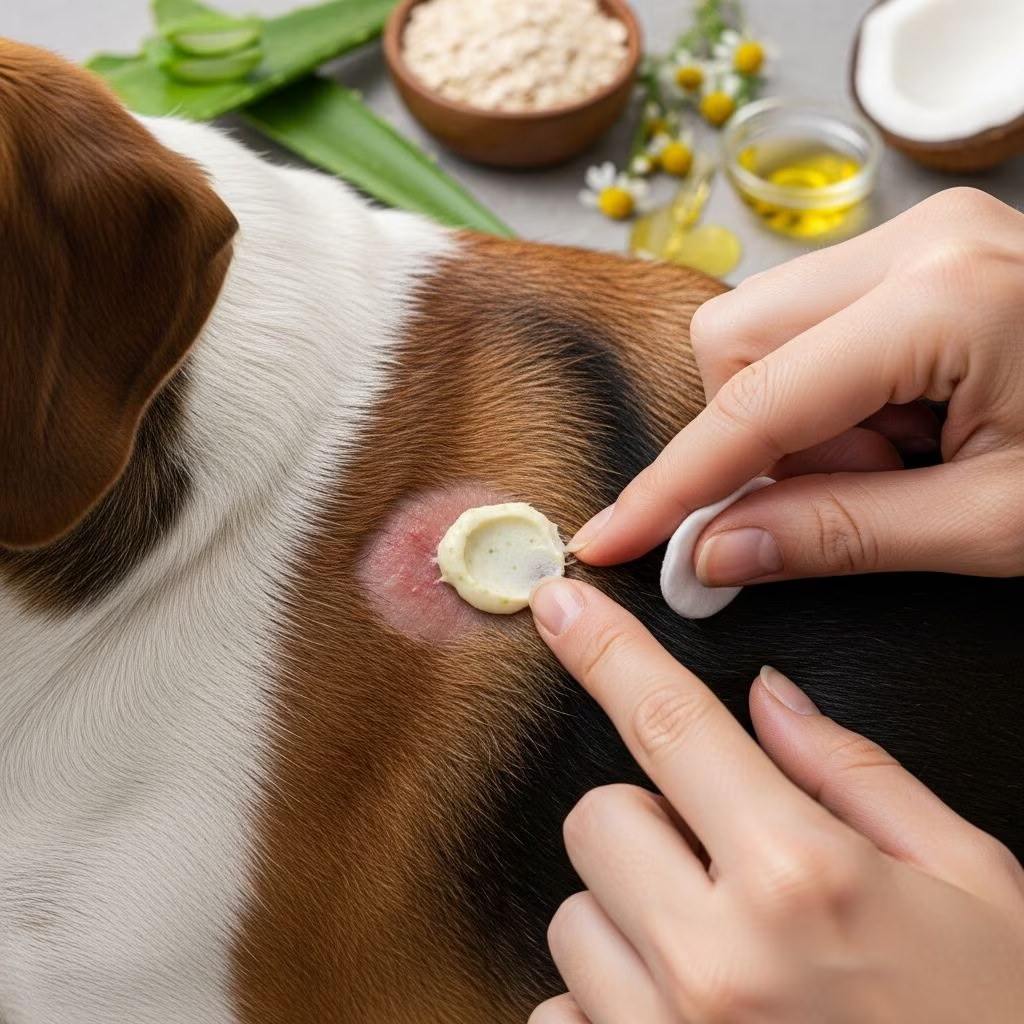
Chronic skin inflammation in dogs often manifests as persistent itching, redness, hot spots, and flaky patches, disrupting their daily comfort. Many pet owners seek natural topical remedies to provide immediate relief without relying solely on pharmaceuticals. These home-based solutions, drawn from traditional practices and modern holistic approaches, can soothe irritation, combat infections, and support skin healing when applied directly.
Understanding Common Canine Skin Conditions
Dogs experience various skin problems, including allergies, yeast overgrowth, bacterial infections like pyoderma, mange, and hot spots. Allergies trigger immune responses leading to inflamed, itchy skin, while yeast and bacteria thrive in moist environments, exacerbating issues. Hot spots are acute, moist lesions from self-trauma, and mange involves mite infestations causing intense pruritus. Recognizing symptoms early allows targeted topical interventions to break the itch-scratch cycle.
Topical remedies work by moisturizing, reducing inflammation, and providing antimicrobial action. Always consult a veterinarian before starting treatments, especially for severe or persistent cases, to rule out underlying conditions.
Proven Bath and Soak Therapies
Bathing remains a cornerstone for managing widespread skin irritation. Lukewarm water prevents further drying, and natural additives enhance therapeutic effects.
- Colloidal Oatmeal Soaks: Finely ground oatmeal forms a protective barrier, locking in moisture and calming avenanthramides-rich compounds that reduce itching. Grind plain oats into powder, add to bathwater, and soak for 10-15 minutes, massaging gently.
- Chamomile and Green Tea Rinses: These herbal infusions offer antioxidants that combat inflammation. Brew strong tea, cool, and use as a rinse or compress on affected areas.
- Epsom Salt Foot Soaks: For paw irritation from allergens, dissolve Epsom salts in warm water and soak paws 5-10 minutes daily to cleanse and soothe.
Frequency: Bathe 1-2 times weekly to avoid stripping natural oils. Pat dry thoroughly to prevent moisture buildup.
Oil-Based Moisturizers and Antimicrobials
Oils penetrate deeply, hydrating dry skin and fighting pathogens with inherent fatty acids.
| Oil Type | Key Benefits | Application Method |
|---|---|---|
| Coconut Oil | Lauric and caprylic acids kill yeast and bacteria; deeply moisturizes. | Thin layer on dry patches; safe orally in small doses. |
| Jojoba Oil | Mimics sebum, non-comedogenic; anti-inflammatory for hot spots and mange. | Massage into skin; dilute essentials if blending. |
| Olive Oil | Antioxidants break down yeast; supports healing. | Apply sparingly to yeast-prone areas. |
Organic, unrefined oils are preferable. Test a small area first for sensitivity.
Herbal Poultices and Washes
Herbs harness phytochemicals for potent topical healing, used fresh or as decoctions.
- Nettles (Urtica dioica): Fresh juice wash stops bleeding and reduces inflammation; ideal for weeping wounds.
- Cleavers (Galium aparine): Poultice for crusty skin and lymphatic support; apply pulverized fresh plant.
- Dandelion (Taraxacum officinale): Salve from infused oil treats warts and tags; liver-supportive internally.
- Ashwagandha: Leaf poultice reduces swellings; adaptogenic for stress-related skin issues.
Preparation: For poultices, chop fresh herbs, apply directly or wrap in gauze. Decoctions simmer roots (1 oz per quart water, 1-2 hours), cool, and use as compresses. Limit to external use unless vet-approved.
DIY Sprays and Gels for Quick Relief
Portable applications suit on-the-go care.
- Apple Cider Vinegar (ACV) Spray: 1:1 dilution with water balances pH, deters yeast. Spray on intact skin, avoiding wounds.
- Aloe Vera Gel: Pure gel cools hot spots; anti-inflammatory polysaccharides soothe rapidly.
- Lemongrass Essential Oil Blend: Dilute in carrier oil (jojoba/coconut); antimicrobial for infections, mange, pyoderma.
Store in dark spray bottles; refresh weekly. Essential oils require heavy dilution (1-2% max).
Advanced Holistic Supports
Functional mushrooms and extracts enhance topical efficacy.
- Reishi and Cordyceps Mushrooms: Immune-modulating; reduce overactive responses in autoimmune or allergic skins.
- Full-Spectrum Hemp Extract (CBD): Anti-inflammatory; infuses shampoos/sprays for barrier protection.
- Ginger and Turmeric: Antioxidants in balms calm chronic inflammation.
Combine with diet: Add moisture-rich foods, avoid allergens.
Safe Application Guidelines and Precautions
Patch test all remedies. Monitor for worsening symptoms. Avoid eyes, mouth, genitals. For puppies, seniors, or pregnant dogs, vet approval essential. Integrate with grooming: Regular brushing removes debris.
FAQs
What causes most dog skin inflammations?
Allergies, infections, and parasites are primary culprits, often worsened by diet or environment.
Is colloidal oatmeal safe for all dogs?
Yes, widely vet-recommended for its gentle, moisturizing effects.
Can essential oils harm dogs?
Undiluted yes; always dilute heavily and avoid ingestion.
How long until remedies show results?
Many provide relief in minutes to days; consistency key.
When to see a vet?
If no improvement in 48 hours, spreading lesions, or systemic signs like lethargy.
References
- Best Natural Home Remedies for Itchy Dogs & Skin Allergy Relief — Boras Vet. 2023. https://www.borashvet.com/best-natural-home-remedies-itchy-dogs/
- Natural Support for Pet Skin Conditions: A Holistic Approach — Angela Ardolino. 2023. https://angelaardolino.com/natural-support-for-pet-skin-conditions/
- Herbs For Dog Skin Problems — Dogs Naturally Magazine. 2023. https://www.dogsnaturallymagazine.com/herbs-for-dog-skin-problems/
- Helping Pets With Skin Allergies: Safe At-Home Care Tips — AMC Vet Med. 2023. https://www.amcvetmed.com/post/home-remedies-help-pets-skin-allergies
- 8 Vet-Approved Home Remedies for Your Dog — PetMD. 2023. https://www.petmd.com/dog/general-health/home-remedies-for-dogs



