

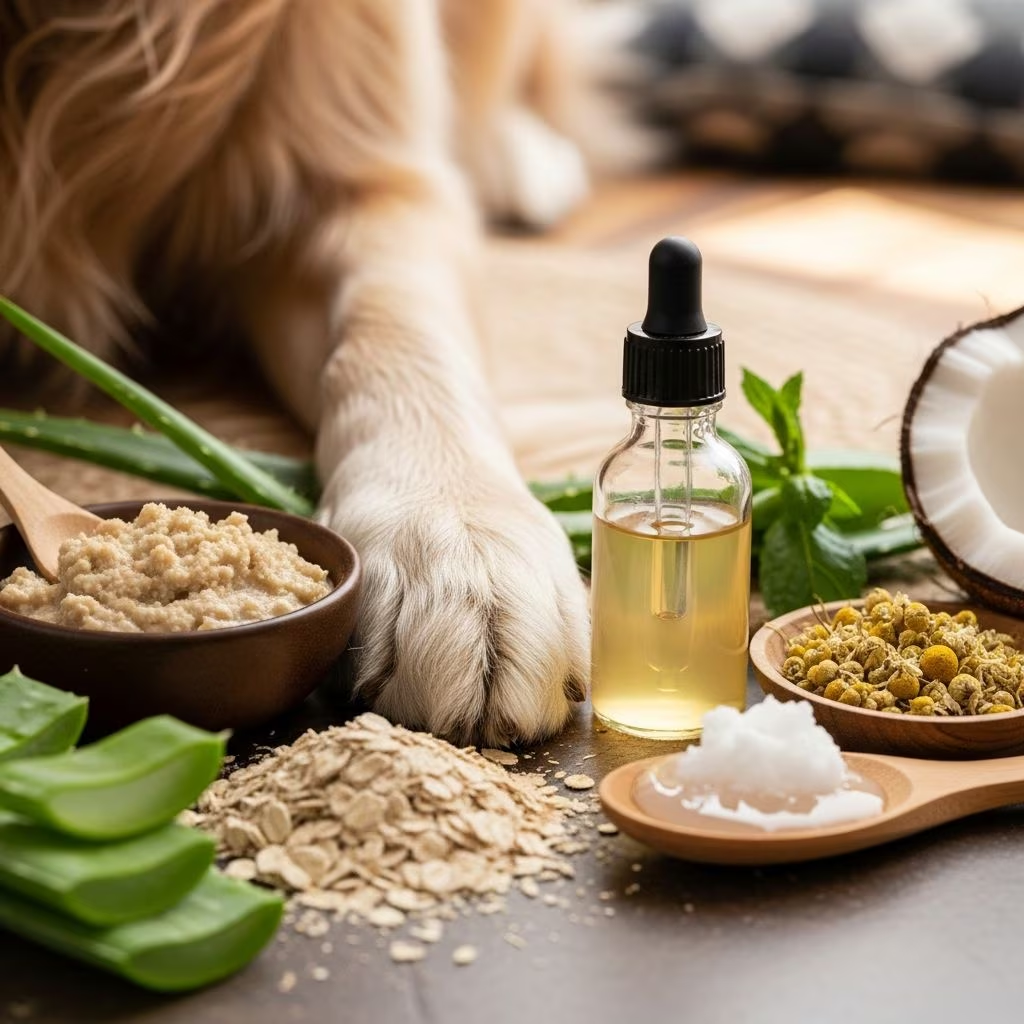
Chronic skin problems in dogs, such as persistent itching, redness, hot spots, and flaky patches, affect millions of pets annually. These conditions often stem from allergies, infections, or environmental irritants, leading to discomfort and secondary issues if untreated. Fortunately, many pet owners turn to gentle, natural topical remedies that provide quick relief without harsh chemicals. This article delves into effective home-based options, drawing from veterinary-recommended practices to help restore your dog’s skin health.
Understanding Common Canine Skin Conditions
Dogs experience a range of skin woes, from atopic dermatitis triggered by pollen or food sensitivities to bacterial pyoderma and yeast overgrowth in moist areas. Hot spots, or acute moist dermatitis, arise from excessive licking or scratching, creating painful, oozing lesions. Symptoms include relentless scratching, hair loss, foul odors, and thickened skin. While professional veterinary care is essential for diagnosis, topical remedies can complement treatment by reducing inflammation and supporting the skin barrier.
- Allergies: Environmental or food-related, causing widespread itching.
- Infections: Bacterial or fungal, often secondary to allergies.
- Hot Spots: Rapidly worsening inflamed areas needing immediate soothing.
- Dryness: Leading to flakiness and cracks from low humidity or poor diet.
Early intervention with naturals prevents escalation, promoting faster recovery.
Essential Oils and Moisturizers for Daily Relief
Topical oils mimic the skin’s natural sebum, locking in moisture while combating microbes. Coconut oil stands out for its lauric and caprylic acids, which offer antifungal and antibacterial benefits ideal for yeast infections and pyoderma.
Apply a thin layer to clean, dry skin twice daily. For internal support, mix 1/4 teaspoon per 10 pounds of body weight into meals, but introduce gradually to avoid digestive upset.
| Oil Type | Key Benefits | Application Tips |
|---|---|---|
| Coconut Oil | Antimicrobial, moisturizing | Warm slightly for easy spread; avoid eyes |
| Jojoba Oil | Mimics sebum, non-comedogenic | Ideal for hot spots; dilute if needed |
| Olive Oil | Antioxidant-rich, breaks down yeast | Massage into paws and ears |
These oils reduce redness within hours, with many dogs showing calmer behavior post-application.
Soothing Bath Therapies for Whole-Body Comfort
Baths are a cornerstone of topical care, cleansing while delivering active ingredients directly to inflamed areas. Colloidal oatmeal, ground finely from plain oats, excels due to avenanthramides that quell inflammation and hydrate.
Prepare by grinding 1 cup oats into powder, dissolving in a tub of lukewarm water (not hot, to prevent further drying). Soak your dog for 10-15 minutes, massaging into hotspots, then rinse lightly and towel-dry. Frequency: 2-3 times weekly or as needed.
- Benefits: Rapid itch cessation, barrier repair.
- Alternatives: Epsom salt foot soaks for paw allergies, 5-10 minutes daily.
Chamomile or green tea rinses add anti-inflammatory polyphenols; brew strong, cool, and spray on post-bath.
Herbal Poultices and Compresses: Time-Tested Healing
Herbs harness nature’s pharmacy for targeted relief. Calendula, or pot marigold, boasts antifungal and wound-healing properties, perfect for cuts and allergic rashes. Infuse flowers in warm water or oil for compresses.
Nettles provide fresh juice washes to staunch bleeding and reduce weeping from wounds. Cleavers, a lymphatic tonic, tackles crusty skin via poultice: chop fresh stems, apply directly or wrap in gauze.
Preparation methods:
- Decoction: Simmer 1 oz herb in 1 quart water for 1-2 hours; strain and use as soak.
- Poultice: Crush fresh herb, apply to lesion, cover with cloth.
- Infusion: Steep leaves for tea-based sprays.
Dandelion salve addresses warts and dryness, safe long-term.
Advanced Botanicals for Stubborn Cases
For chronic issues like autoimmune flares or mange, adaptogens shine. Gotu Kola stimulates collagen, rebuilding resilient skin against dryness. Ashwagandha poultices from simmered leaves diminish swellings.
Mushroom extracts like Reishi and Chaga offer immune modulation and antimicrobials, applied topically in balms for pyoderma and yeast. Full-spectrum hemp extracts calm inflammation without psychoactive effects, often blended with ginger or honey for barrier protection.
Lemongrass essential oil, diluted 1:10 with carrier oil, fights bacteria in hot spots but test for sensitivity first.
Dietary Ties to Topical Success
Topicals work best alongside internal support. Anti-inflammatory diets with omega-3s from fish oil enhance skin repair. Add moisture-rich foods like pumpkin or greens to combat dryness. Avoid grains if allergies suspected.
Safety Guidelines and When to Seek Help
Always patch-test remedies on a small area for 24 hours. Use pure, organic products free of additives. Discontinue if worsening occurs. These are adjuncts, not cures—consult a vet for persistent symptoms, infections, or if your dog shows lethargy, fever, or open wounds.
Never use human meds without guidance; toxicities abound.
FAQs
What causes most dog skin inflammations?
Allergies to food, pollen, or fleas top the list, followed by infections and parasites.
How quickly do oatmeal baths work?
Many dogs calm within minutes, with full effects in 1-2 days.
Are essential oils safe for dogs?
Diluted yes, but avoid tea tree or undiluted citrus; lemongrass is potent antimicrobial.
Can I combine remedies?
Yes, e.g., oil post-bath, but monitor skin response.
How prevent recurrence?
Regular grooming, hypoallergenic diet, flea control.
References
- Best Natural Home Remedies for Itchy Dogs & Skin Allergy Relief — Boras Vet. 2023. https://www.borashvet.com/best-natural-home-remedies-itchy-dogs/
- Natural Support for Pet Skin Conditions: A Holistic Approach — Angela Ardolino. 2024. https://angelaardolino.com/natural-support-for-pet-skin-conditions/
- Herbs For Dog Skin Problems — Dogs Naturally Magazine. 2023. https://www.dogsnaturallymagazine.com/herbs-for-dog-skin-problems/
- 5 Natural Ingredients To Improve Your Dog Skin Health — Nourish Pet Co. 2024. https://www.nourishpetco.com.au/blogs/news/dog-skin-health
- Helping Pets With Skin Allergies: Safe At-Home Care Tips — AMC Vet Med. 2023. https://www.amcvetmed.com/post/home-remedies-help-pets-skin-allergies
- 8 Vet-Approved Home Remedies for Your Dog — PetMD. 2024. https://www.petmd.com/dog/general-health/home-remedies-for-dogs



