

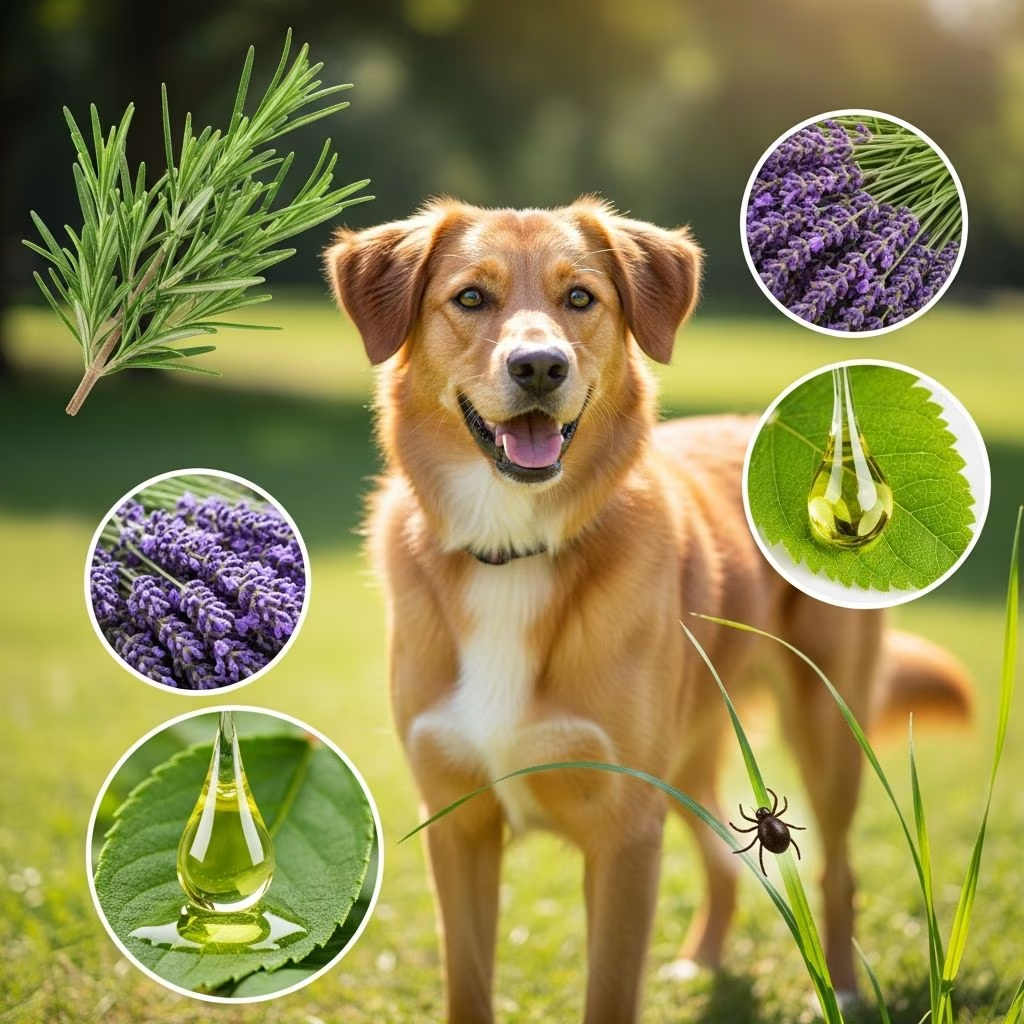
Ticks pose significant health risks to dogs, transmitting diseases like Lyme disease and Rocky Mountain spotted fever. While conventional products like DEET or permethrin exist, many pet owners seek natural alternatives using essential oils. Research highlights several oils with repellent properties, though efficacy varies and safety precautions are essential, especially for canine use.
Understanding Tick Threats to Canines
Ticks thrive in wooded, grassy areas and attach to hosts like dogs during outdoor activities. A single bite can lead to infections, anemia, or paralysis. Preventive measures focus on repelling ticks before attachment. Natural repellents offer a gentler option but require proper dilution and testing to avoid skin irritation or toxicity in dogs.
Top Essential Oils Proven to Repel Ticks
Scientific studies identify key essential oils effective against ticks. These work by overwhelming tick sensory receptors or masking host scents.
- Clove Bud Oil: Highly effective, repelling up to 83% of ticks at 3% dilution. Its eugenol content disrupts tick behavior.
- Creeping Thyme and Red Thyme Oils: Repel 82% and 68% of ticks respectively at low concentrations. Thymol provides strong acaricidal action.
- Citronella Oil: Registered as a biopesticide by the EPA; excels in combinations, boosting repellency to 91% when mixed with thyme.
- Lemon Eucalyptus Oil (OLE): CDC-recommended for humans; shows comparable efficacy to DEET in tick trials, lasting hours on fabric.
- Oregano Oil: Contains carvacrol, killing Lyme bacteria and repelling ticks; 5% solutions match 20% DEET on clothing.
Other promising oils include spearmint, lemongrass, and cedarwood, with lab tests showing dose-dependent repellency up to 76%.
Scientific Evidence on Efficacy
A 2017 study tested 11 oils against Dermacentor reticulatus ticks, finding clove bud, creeping thyme, and red thyme superior at 3% concentrations. Combinations like thyme-citronella outperformed singles. Another trial compared 5% oregano/spearmint to 20% DEET, noting equivalent tick reduction on treated fabrics.
| Essential Oil | Repellency Rate (3% Dilution) | Key Active Compound | Study Reference |
|---|---|---|---|
| Clove Bud | 83% | Eugenol | |
| Creeping Thyme | 82% | Thymol | |
| Red Thyme | 68% | Thymol | |
| Thyme + Citronella | 91% | Thymol + Citronellal | |
| Oregano | Equivalent to 20% DEET | Carvacrol |
Oil of lemon eucalyptus matched DEET, picaridin in 6-hour tests against lone star ticks. Cedarwood oil repels via cedrol, effective against multiple pests.
Safe Application Methods for Dogs
Dogs have sensitive skin and livers; undiluted oils can cause burns or poisoning. Always dilute in carrier oils like coconut or jojoba (1-3% for dogs).
- Spray Preparation: Mix 10-15 drops oil in 4 oz water with emulsifier (4:1 ratio). Shake well.
- Spot Treatment: Dilute 3-5 drops in 1 oz carrier; apply to collar, belly, legs. Avoid eyes, mouth, genitals.
- Clothing/Blanket Spray: Heavily treat bandanas, leashes, or bedding for indirect protection.
- Reapplication: Every 2-4 hours outdoors; efficacy wanes.
Perform patch tests: Apply diluted mix to inner thigh, monitor 24 hours for redness.
Best DIY Recipes for Canine Tick Defense
Thyme-Citronella Spray
10 drops thyme + 15 drops citronella + 4 oz water + 20 drops emulsifier. Spray fur lightly.
Clove Protection Blend
5 drops clove bud + 2 oz jojoba oil. Massage into coat, focusing on tick hotspots.
Lemon Eucalyptus Mist
20 drops OLE + 4 oz distilled water + emulsifier. Safe for pups over 3 years equivalent.
Oregano Armor Oil
6 drops oregano + 1 oz carrier. Dab on paws, ears.
Store in dark glass; shelf life 1-2 months.
Safety Guidelines and Risks
Not all oils suit dogs. Avoid tea tree, pennyroyal (toxic). Cats are more vulnerable—consult vets. OLE not for under-3 equivalents. Watch for drooling, tremors (overdose signs). Pregnant dogs need vet approval. Combine with checks, mowing grass for holistic prevention.
Comparing Natural vs. Synthetic Repellents
| Repellent Type | Duration | Dog Safety | Efficacy | Cost |
|---|---|---|---|---|
| Essential Oils | 2-4 hours | High if diluted | 60-90% | Low |
| DEET/OLE Products | 6+ hours | Moderate | 85-95% | Medium |
| Permethrin | Days | Low (toxic if ingested) | 95%+ | Medium |
Naturals excel short-term; synthetics for heavy exposure.
Enhancing Protection with Lifestyle Changes
- Groom post-walks: Use flea combs.
- Yard upkeep: Clear leaf litter, use cedar mulch.
- Tick-proof gear: Leggings, boots for hikes.
- Vet vaccines: Lyme shots for high-risk areas.
Frequently Asked Questions
Are essential oils safe for puppies?
Use 1% dilutions on pups over 12 weeks; avoid young or ill dogs without vet advice.
How often to reapply?
Every 2 hours in tick zones; daily for ongoing use.
Can I use on collars?
Yes, dilute and refresh weekly to avoid residue buildup.
Do they kill ticks or just repel?
Most repel; oregano/clove may kill on contact.
What if my dog licks the oil?
Rinse immediately; small amounts usually safe if diluted.
Conclusion: Empowering Pet Owners
Essential oils like clove, thyme, and OLE provide viable tick defense for dogs when used correctly. Backed by studies, they reduce reliance on chemicals. Always prioritize vet consultations for tailored plans. Stay vigilant—prevention saves lives.
References
- The repellent efficacy of eleven essential oils against adult Dermacentor reticulatus ticks — PubMed/NCBI. 2017-06-23. https://pubmed.ncbi.nlm.nih.gov/28645519/
- Tick Repellent Essential Oils: Which Ones Work Best — Healthline. Accessed 2026. https://www.healthline.com/health/essential-oils-for-repelling-ticks
- What Repels Ticks Naturally? — Daniel Cameron MD. Accessed 2026. https://danielcameronmd.com/deet-and-natural-tick-repellents/
- What Are Natural Tick Repellents? How Effective Are They? — WebMD. Accessed 2026. https://www.webmd.com/skin-problems-and-treatments/what-to-know-natural-tick-repellents
- Pleasant-Smelling Wood Oil Not So Pleasant for Biting Ticks — USDA ARS. 2022-05-12. https://www.ars.usda.gov/news-events/news/research-news/2022/pleasant-smelling-wood-oil-not-so-pleasant-for-biting-ticks-other-pests/



