

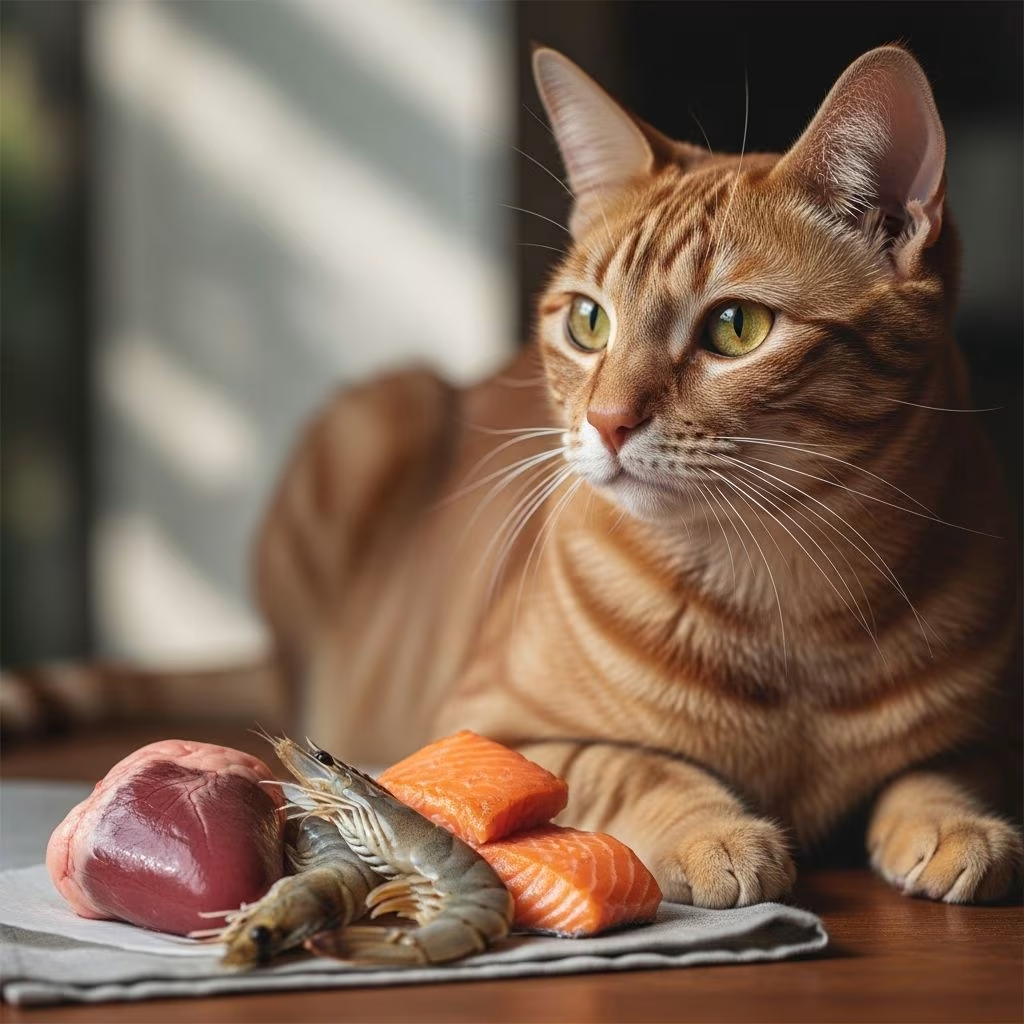
What Is Taurine and Why Do Cats Need It?
Taurine is an essential amino acid that cats must obtain through their diet because they cannot synthesize adequate amounts on their own. Unlike omnivores such as humans, cats lack sufficient amounts of the enzyme required to convert other amino acids (methionine and cysteine) into taurine, making dietary sources absolutely crucial for their survival and health.
Taurine plays a vital role in multiple biological systems within a cat’s body. The feline heart, platelets, and retina require taurine for both structure and function. Additionally, your cat’s liver, gallbladder, central nervous system, skeletal muscles, and bones all utilize taurine, and it may assist in maintaining proper electrolyte balance. This amino acid is involved in normal heart function, vision, digestive health, and reproductive processes.
The importance of taurine became especially apparent when commercial cat food manufacturers began supplementing their products with this amino acid in the 1980s. Before this practice became standard, taurine deficiency was a common problem in cats fed commercial diets. Today, the Association of American Feed Control Officials (AAFCO) requires all manufactured cat food to be supplemented with synthetic taurine to prevent deficiency-related health issues.
The Critical Importance of Taurine for Cat Health
Taurine is not a luxury nutrient—it is fundamental to your cat’s survival and well-being. Cats are obligate carnivores, meaning they are biologically designed to survive entirely on protein-based diets. Because taurine is found almost exclusively in animal-based protein sources, cats eating vegetarian or vegan diets are at the highest risk for deficiency.
The consequences of insufficient taurine intake can be severe and far-reaching. Understanding these risks underscores why providing adequate natural taurine sources should be a priority for any cat owner.
Health Consequences of Taurine Deficiency
A deficiency in taurine can lead to serious, sometimes irreversible health conditions in cats:
- Retinal degeneration leading to vision impairment or complete blindness
- Dilated cardiomyopathy (DCM) leading to heart damage, enlargement, or failure
- Infertility and reproductive dysfunction
- Impaired fetal development in pregnant cats
- Abnormal skeletal growth in kittens
- Fur loss and skin problems
- Tooth decay and dental issues
The link between taurine deficiency and dilated cardiomyopathy is particularly significant. This serious heart condition can be reversed with proper dietary supplementation—typically 250 mg of taurine given twice daily—once the deficiency is identified.
Natural Food Sources of Taurine for Cats
The most effective way to ensure your cat receives adequate taurine is through a diet rich in natural, animal-based protein sources. Unlike synthetic supplements, whole foods provide not only taurine but also complementary nutrients that support overall health.
Shellfish and Seafood
Shellfish are among the richest natural sources of taurine. Clams, scallops, krill, and shrimp contain exceptionally high levels of this essential amino acid and can be incorporated into your cat’s diet in small amounts. These options are particularly attractive because most cats find them palatable and they offer concentrated taurine content per serving.
Fish
Cold-water fish such as sardines, salmon, mackerel, and herring are excellent natural sources of taurine. These fish also provide omega-3 fatty acids, which support heart and skin health. When feeding fish to your cat, it is important to cook it thoroughly to eliminate the risk of potential contaminants present in raw fish. Feeding fish in moderation ensures your cat receives the benefits without consuming excessive amounts of certain compounds that may accumulate with overconsumption.
Meat
All meat contains taurine, making it a foundational component of any feline diet. Dark poultry meat such as chicken thighs and turkey thighs are among the best natural meat sources of taurine. Other excellent options include beef and lamb. Whether you choose to feed your cat cooked or raw meat, both can contribute significantly to meeting taurine requirements.
Organ Meats
Organ meats are nutritional powerhouses packed with taurine. Chicken liver, beef liver, and heart are particularly rich sources of this essential amino acid. These organs can be incorporated into your cat’s diet in small amounts as occasional supplements or treats, and should be cooked thoroughly before serving.
Eggs
Eggs provide a complete protein source that includes taurine, though in lesser concentrations than meat or fish. They can serve as a useful supplementary source and are generally well-tolerated by most cats.
Other Natural Sources
Additional natural taurine sources include freeze-dried krill and seaweed or algae products. Brewer’s yeast also contains taurine and can be sprinkled on food as a supplement. Many cat owners report feeding both freeze-dried krill and seaweed/algae mixes on a regular basis with positive results.
Dietary Approaches to Ensure Adequate Taurine Intake
Raw Meat Diets
Those who feed a variety of raw meat to their cats generally don’t need to worry about taurine deficiency due to insufficient intake. Raw diets, when properly balanced and sourced, provide taurine in its most bioavailable form. However, raw meat diets require careful handling to prevent foodborne illness and should be discussed with a veterinarian.
Cooked Homemade Diets
If your cat’s homemade diet is primarily cooked, experts recommend adding a taurine supplement to ensure adequate intake. Cooking can reduce taurine bioavailability, making supplementation particularly important for cats on exclusively cooked homemade diets.
Commercial Cat Food
Opting for high-quality commercial cat foods that meet AAFCO guidelines ensures that your cat receives a balanced diet, including sufficient taurine. Look for cat food brands that explicitly state the inclusion of taurine in their ingredients list and are labeled as “complete and balanced” by AAFCO. Barring manufacturing errors, all commercially prepared cat foods now contain sufficient amounts of taurine.
Taurine Supplements for Cats
There are manufactured taurine supplements available specifically for cats. Taurine supplements are relatively inexpensive, and the money saved in veterinary expenses through optimum health more than pays for itself. Some combined natural cat supplements also contain smaller amounts of taurine, such as formulations specifically designed for feline nutritional support.
If you are preparing homemade cat food, consulting with a veterinary nutritionist can help determine whether your recipes require supplementation. A veterinarian can provide tailored guidance based on your cat’s age, weight, and any underlying health conditions.
Best Practices for Feeding Taurine-Rich Diets
- Choose animal-based proteins: Taurine is found in animal-based protein sources such as meat, fish, and poultry. Make high-quality, animal-based proteins the primary source of nutrition for your cat.
- Avoid vegetarian and vegan diets: Cats are obligate carnivores and require meat-based protein sources to meet their nutritional needs. Vegetarian or vegan diets for cats are not recommended as they can lead to taurine deficiency and other serious health problems.
- Consider your cat’s age and health status: Kittens, pregnant or nursing cats, and cats with health conditions may require higher levels of taurine in their diet. Consult with your veterinarian to determine appropriate taurine levels.
- Look for complete and balanced cat food: When selecting commercial options, ensure the product is labeled as “complete and balanced” by AAFCO, indicating it meets all nutritional needs including taurine.
- Include naturally high-taurine ingredients: If preparing homemade meals, prioritize organ meats like liver and heart, and muscle meats like chicken, turkey, and beef.
- Supplement when necessary: If feeding primarily cooked homemade diets, include taurine supplements or multivitamins formulated for cats.
Quick Reference: Taurine Content by Food Type
| Food Type | Taurine Level | Best Preparation |
|---|---|---|
| Shellfish (clams, scallops, shrimp) | Very High | Cooked, in moderation |
| Cold-water fish (salmon, sardines, mackerel) | High | Cooked thoroughly |
| Dark poultry meat (chicken thighs, turkey) | High | Cooked or raw |
| Organ meats (liver, heart) | Very High | Cooked, occasional treat |
| Beef and lamb | Moderate to High | Cooked or raw |
| Eggs | Moderate | Cooked or raw |
| Freeze-dried krill | High | As-is supplement |
Frequently Asked Questions About Taurine for Cats
Q: Can cats produce their own taurine?
A: Cats can produce small amounts of taurine, but they cannot produce sufficient quantities to meet their needs. They lack the enzyme in adequate supply needed to convert other amino acids into taurine, making dietary sources essential.
Q: What happens if my cat becomes deficient in taurine?
A: Taurine deficiency can lead to serious health problems including vision loss or blindness, dilated cardiomyopathy (a heart condition), infertility, abnormal growth in kittens, fur loss, and dental problems. However, many of these conditions can be reversed with proper taurine supplementation when caught early.
Q: Is taurine in commercial cat food sufficient?
A: Yes, all commercially prepared cat foods now contain sufficient amounts of taurine to meet your cat’s needs, as required by AAFCO standards. However, taurine deficiency can still develop when cats are fed homemade diets without proper supplementation.
Q: Can I feed my cat a vegetarian or vegan diet?
A: No, cats are obligate carnivores and require meat-based protein sources to meet their nutritional needs. Vegetarian or vegan diets for cats are not recommended as they cannot provide adequate taurine and can lead to serious health deficiencies.
Q: How much taurine does my cat need?
A: The specific amount depends on your cat’s age, weight, and health status. Kittens, pregnant cats, and nursing cats may require higher levels. A veterinarian can determine the appropriate taurine levels for your individual cat based on their specific circumstances.
Q: Are there taurine supplements I can give my cat at home?
A: Yes, there are manufactured taurine supplements specifically formulated for cats that are relatively inexpensive. These are especially recommended if you prepare homemade cooked diets for your cat. Consult your veterinarian for appropriate dosing.
Q: What are the best natural food sources of taurine?
A: The best natural sources include shellfish (clams, scallops, shrimp), cold-water fish (salmon, sardines, mackerel), dark poultry meat, organ meats (liver, heart), and freeze-dried krill. All of these provide concentrated amounts of this essential amino acid.
References
- Natural Sources of Taurine for Cats — All Natural Pet Care. https://allnaturalpetcare.com/blog/2011/11/08/natural-sources-of-taurine-for-cats-homemade-foo/
- 5 Taurine-Rich Foods for Cats: Dr. Ruth Roberts’ Tips — Dr. Ruth Roberts. https://drruthroberts.com/blogs/pet-blog/5-foods-with-taurine-for-cats
- Taurine for Cats: What It Is, and Why It’s So Essential — Chewy. https://www.chewy.com/education/cat/food-and-nutrition/taurine-for-cat-nutrition
- Why Taurine Is So Important for Cats and Dogs — Royal Canin US. https://www.royalcanin.com/us/about-us/our-nutritional-approach/why-taurine-is-so-important-for-cats-and-dogs
- What is Taurine, and Why Do Cats Need It? — PetMD. https://www.petmd.com/blogs/nutritionnuggets/cat/dr-coates/2014/december/what-taurine-32287



