

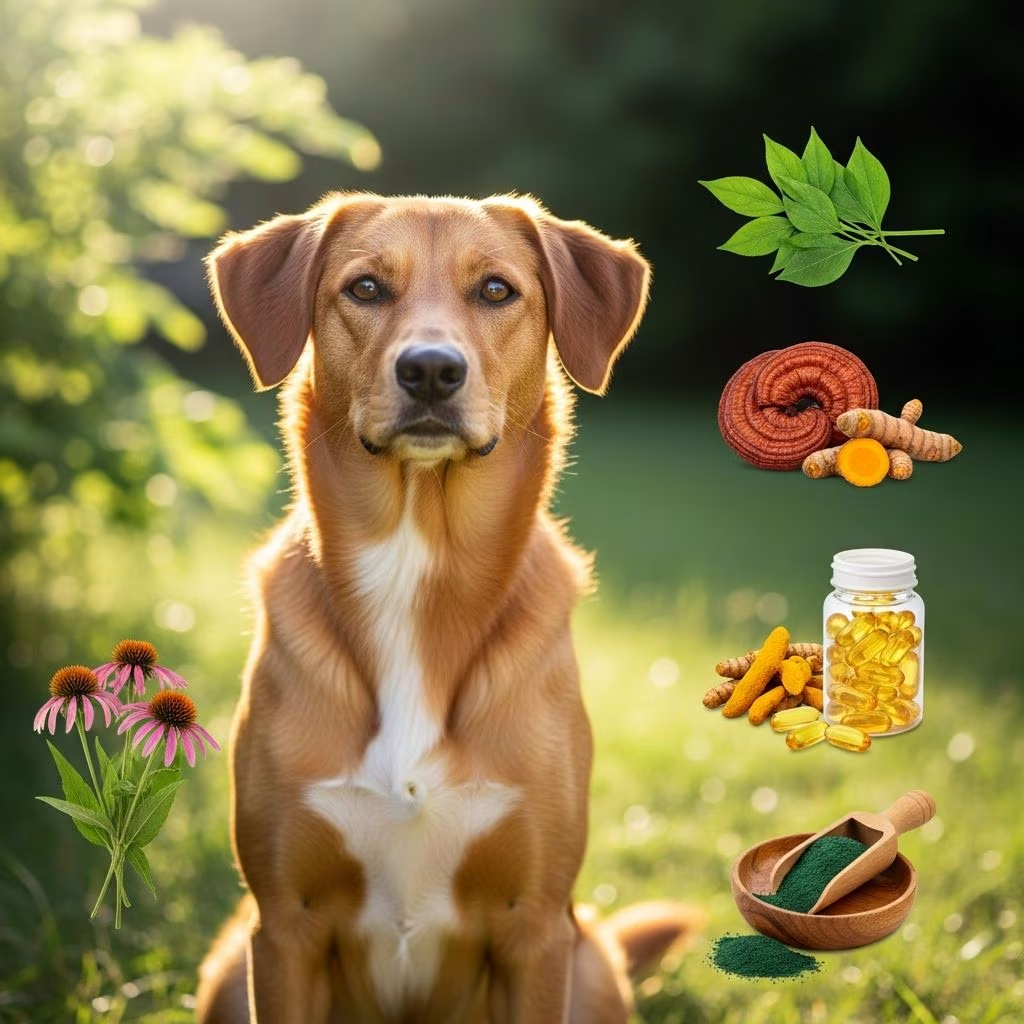
Autoimmune diseases in dogs occur when the immune system mistakenly attacks the body’s own tissues, leading to conditions like immune-mediated hemolytic anemia, pemphigus, or lupus. While conventional treatments such as corticosteroids remain standard, natural supplements offer supportive roles in reducing inflammation, modulating immunity, and improving overall well-being. These options, including omega-3 fatty acids, probiotics, and antioxidants, can complement veterinary care when used under professional guidance.
Understanding Canine Autoimmune Disorders
Canine autoimmune disorders encompass a range of issues where the body’s defense mechanisms target healthy cells. Common examples include skin conditions like pemphigus foliaceus, joint inflammation in rheumatoid arthritis, and blood disorders such as thrombocytopenia. Symptoms often manifest as lethargy, skin lesions, joint pain, or recurrent infections. Diagnosis typically involves blood tests, biopsies, and ruling out other causes. Early intervention is crucial to prevent progression, with management focusing on symptom control and immune balance.
Holistic approaches emphasize the gut-immune axis, recognizing that a disrupted microbiome can exacerbate autoimmunity. Diets rich in anti-inflammatory nutrients and targeted supplements help restore equilibrium, potentially minimizing reliance on drugs with side effects like immunosuppression-related infections.
Key Supplements for Immune Modulation
Several natural compounds show promise in supporting dogs with autoimmune issues by addressing inflammation and oxidative stress.
- Omega-3 Fatty Acids: Derived from fish oil or salmon sources, these essential fats inhibit pro-inflammatory pathways. They are widely recommended for their ability to ease joint pain and skin flare-ups in autoimmune cases.
- Probiotics and Prebiotics: These foster a healthy gut flora, which influences up to 70% of immune function. Formulas combining live bacteria with fiber sources improve digestion and reduce systemic inflammation linked to autoimmunity.
- Colostrum: Rich in immunoglobulins, this first-milk derivative bolsters mucosal immunity without overstimulating the system, aiding recovery from gastrointestinal autoimmune manifestations.
Antioxidants and Their Protective Role
Oxidative damage fuels autoimmune progression, making antioxidants vital. These neutralize free radicals, protecting cells from immune assaults.
| Antioxidant | Benefits for Dogs | Common Sources |
|---|---|---|
| Vitamin C (Sodium Ascorbate) | Supports collagen synthesis, tissue repair, and vascular health; reduces flare-up severity. | Supplements, buffered forms for GI tolerance. |
| Alpha Lipoic Acid | Regenerates other antioxidants, aids nerve health in chronic cases. | Whole-food blends. |
| Coenzyme Q10 | Boosts cellular energy, counters fatigue from immune dysregulation. | Targeted pet formulas. |
| Curcumin | Potent anti-inflammatory, modulates cytokine production. | Turmeric extracts with bioavailability enhancers. |
Integrating these requires dosing tailored to weight and condition severity, often starting low to monitor tolerance.
Whole-Food and Herbal Boosters
Beyond isolated nutrients, whole-food supplements provide synergistic benefits. Mushroom blends, such as those with reishi or turkey tail, offer beta-glucans that regulate immune responses without excess activation. These are particularly useful for maintaining remission in skin or systemic autoimmunity.
Herbal options like boswellia target joint inflammation, mimicking corticosteroid effects naturally. A balanced approach combines these with base diets low in allergens, such as novel protein formulas, to prevent triggers.
Dietary Foundations for Autoimmune Management
Nutrition forms the cornerstone of holistic care. Anti-inflammatory diets emphasize fresh, whole ingredients: quality proteins, antioxidant-rich vegetables, and minimal grains. Hypoallergenic options exclude common irritants like chicken or wheat, reducing immune reactivity.
- Hypoallergenic proteins: Duck, venison, or fish.
- Healthy fats: Avocado oil, coconut for sustained energy.
- Vegetable bases: Pumpkin, sweet potatoes for fiber and vitamins.
Dehydrated or raw blends preserve enzymes, enhancing bioavailability. Transition gradually over 7-10 days to avoid digestive upset.
Integrating Supplements with Conventional Therapy
Conventional protocols often start with glucocorticoids like prednisone at 2-6 mg/kg daily for dogs, tapering once remission occurs. Azathioprine (2 mg/kg) adds efficacy for refractory cases, but side effects necessitate monitoring.
Natural supplements bridge gaps: Omega-3s reduce steroid doses needed, probiotics mitigate GI side effects, and antioxidants combat oxidative stress from drugs. Veterinary oversight ensures safe combinations, with regular bloodwork tracking liver enzymes and infection risks.
Practical Implementation Strategies
Begin with a veterinary consultation for baseline assessments. Select supplements from reputable sources, prioritizing third-party tested products.
- Assess current diet and symptoms.
- Introduce one supplement at a time, every 1-2 weeks.
- Monitor via journals: energy, stool quality, lesion changes.
- Adjust based on 4-6 week rechecks.
For severe cases, combine with therapies like PEMF for pain relief or acupuncture for holistic balance.
Potential Risks and Precautions
While natural, excesses can occur: High omega-3s may thin blood, interacting with anticoagulants; probiotics might initially worsen symptoms in dysbiosis. Always source human-grade products, avoiding contaminants. Pregnant or nursing dogs require special caution.
Real-World Outcomes and Monitoring
Dogs on integrated plans often show improved mobility, coat quality, and vitality. Long-term success hinges on consistency and adaptation. Annual wellness panels gauge progress, adjusting as needed.
Frequently Asked Questions
Can supplements cure autoimmune diseases in dogs?
No, they manage symptoms and support immunity but do not cure. Combine with vet-prescribed treatments for best results.
What dosage of omega-3s is safe for my dog?
Typically 20-55 mg EPA/DHA per kg body weight daily; consult vet for precise amounts based on condition.
Are raw diets recommended for autoimmune dogs?
Yes, if balanced and pathogen-free, they provide superior nutrients. Use commercial raw or consult a nutritionist.
How long until I see improvements?
2-8 weeks for noticeable changes; full benefits may take months with consistent use.
Can all dogs tolerate probiotics?
Most do, but start low. Those with acute IBD may need veterinary probiotics.
Building a Long-Term Wellness Plan
Sustained management involves lifestyle tweaks: stress reduction via exercise, environmental allergen control, and routine checkups. Track progress with apps or logs, celebrating small wins like reduced limping or brighter eyes. Collaborate with holistic vets versed in TCVM or naturopathy for personalized protocols.
Empower your dog’s resilience through informed choices. These strategies not only address autoimmunity but foster holistic vitality, extending joyful years together.
References
- Dog Autoimmune Disease: Natural and Holistic Options — TCVM Pet. 2023. https://tcvmpet.com/blogs/news/holistic-approaches-to-handling-dog-autoimmune-disease
- Autoimmune Disease Support For Pets — Dr. Ruth Roberts. 2024. https://drruthroberts.com/collections/autoimmune-disease-support
- Therapy for Autoimmune Diseases – Small and Large Animal Dermatology — University of Minnesota Libraries Open Textbook. 2022-10-01. https://open.lib.umn.edu/animaldermatology2/chapter/therapy-for-autoimmune-diseases/
- Can a Natural Diet Help Treat Autoimmune Diseases in Dogs? — Volhard Dog Nutrition. 2023. https://www.volharddognutrition.com/blog/can-a-natural-diet-help-treat-autoimmune-diseases-in-dogs/
- Autoimmune Disease in Dogs: A Holistic Approach to Recovery — ProDog Raw. 2024. https://www.prodograw.com/health/autoimmune-disease-in-dogs-a-holistic-approach-to-recovery/
- Diets to boost immunity — Cornell University College of Veterinary Medicine. 2023-06-15. https://www.vet.cornell.edu/departments-centers-and-institutes/riney-canine-health-center/canine-health-topics/diets-boost-immunity
- The Best Natural Immunity Support for Dogs & Cats — Only Natural Pet. 2024. https://www.onlynaturalpet.com/blogs/holistic-healthcare-library/the-best-natural-immunity-treatments-solutions-for-dogs-cats



