

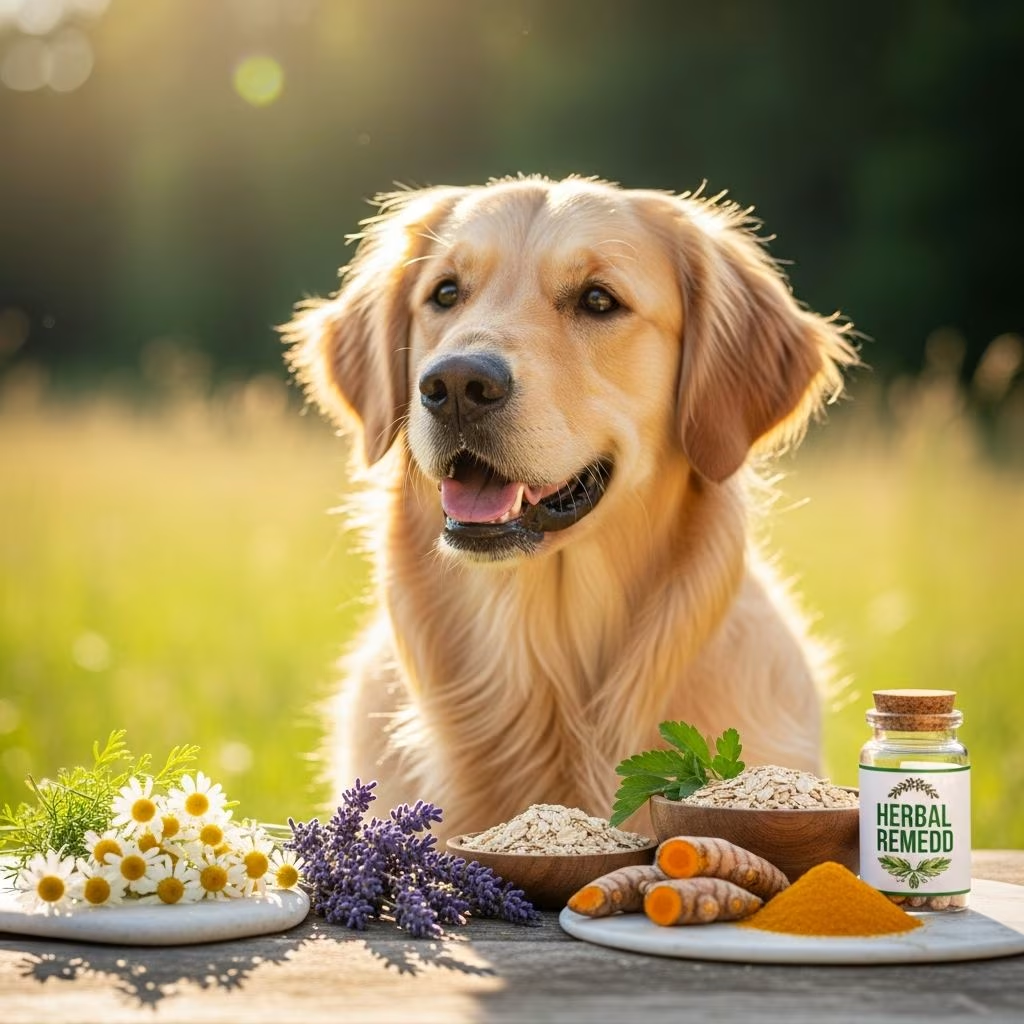
Allergies affect countless dogs across the country, causing discomfort that can significantly impact their quality of life. Unlike acute health conditions that appear suddenly, allergies develop gradually and manifest through persistent itching, skin irritation, and inflammation. Many pet owners seek alternatives to pharmaceutical interventions, turning instead to nature-based approaches that have been used for generations. This comprehensive guide explores the most effective natural remedies and practical strategies you can implement at home to help your dog manage allergy symptoms and reclaim comfort.
Understanding Canine Allergies and Their Root Causes
Before exploring remedies, it’s essential to understand what triggers allergic reactions in dogs. Canine allergies fall into three primary categories: environmental allergens such as pollen and dust mites, food-related sensitivities, and parasitic reactions including flea allergy dermatitis. Environmental allergies typically worsen during specific seasons when pollen counts rise or when indoor allergens accumulate. Food allergies result from immune system reactions to particular protein sources or additives in commercial diets. Flea allergies represent a special case where even a single flea bite can trigger intense itching in sensitive dogs.
The symptoms of allergies in dogs include excessive scratching, red or inflamed skin patches, hair loss in localized areas, frequent ear infections, and sometimes gastrointestinal upset. Recognizing these signs early allows you to intervene before secondary infections develop or the dog’s condition worsens significantly.
Herbal and Botanical Remedies for Allergy Relief
Nature provides several botanical compounds that possess natural antihistamine and anti-inflammatory properties. These remedies work by calming the immune system’s overreaction and reducing the inflammatory cascade that causes itching and discomfort.
Quercetin: Nature’s Antihistamine
Quercetin is a natural flavonoid found abundantly in fruits and vegetables that functions similarly to antihistamine medications but without synthetic side effects. This compound works by stabilizing mast cells and reducing histamine release, the chemical responsible for itching sensations. You can introduce quercetin into your dog’s diet through fresh apple slices, berries, or specialized supplements formulated for pets. Many holistic veterinarians recommend quercetin as a foundational component of allergy management protocols.
Chinese Skullcap and Nettles
Chinese skullcap has been valued in traditional medicine for its potent anti-inflammatory and antioxidant capabilities. This herb helps reduce the inflammatory response that underlies allergic reactions, making it particularly valuable for dogs experiencing chronic itching. Similarly, nettles offer natural antihistamine properties when offered in dried or cooked form. These herbs work synergistically to calm the immune system and provide relief from seasonal and environmental allergies.
L-Theanine from Green Tea
Found in green tea, L-theanine operates through a different mechanism than other botanical remedies. Rather than directly targeting inflammation, this amino acid promotes relaxation and stress reduction in dogs. Since stress exacerbates allergic responses, reducing anxiety indirectly diminishes allergy severity. This makes L-theanine particularly useful for dogs whose allergies worsen during stressful periods or thunderstorm seasons.
Topical Treatments Using Kitchen Staples
Some of the most effective remedies for allergic skin reactions already exist in your kitchen pantry. These accessible options provide immediate relief while supporting your dog’s natural skin barrier.
Oatmeal Baths: The Gold Standard
Colloidal oatmeal stands as one of the most widely recommended remedies among veterinary professionals for soothing inflamed, itchy skin. This finely ground oatmeal contains compounds that moisturize while simultaneously calming irritation and supporting the skin’s natural protective barrier. When bathing your dog, use lukewarm water rather than hot water, which can paradoxically worsen dryness and itching. Allow the oatmeal product to remain on the skin for several minutes before rinsing thoroughly. For best results, repeat oatmeal baths 2-3 times weekly during acute allergy flare-ups.
Coconut Oil for Skin Nourishment
Coconut oil provides dual benefits through both topical and internal applications. When applied directly to irritated patches, it soothes and moisturizes dry, itchy areas while creating a protective layer against environmental irritants. Adding coconut oil to meals supports skin health from within, as the medium-chain fatty acids penetrate the skin barrier and reduce inflammation systemically. A teaspoon per day for small dogs and up to a tablespoon for larger breeds serves as an appropriate starting dose.
Apple Cider Vinegar Rinses
The acetic acid in apple cider vinegar possesses anti-inflammatory properties that calm itchy skin and even deter fleas. Create a diluted rinse by mixing one part raw, unfiltered apple cider vinegar with one part water. Apply this solution to affected areas after bathing, allowing it to air dry. The acidic nature helps restore the skin’s natural pH balance, which often becomes disrupted during allergic reactions.
Additional Kitchen Remedies
Olive oil, baking soda, and Epsom salts each contribute valuable topical relief. A paste made from baking soda and water applied to hot spots reduces inflammation and itching. Epsom salt soaks lasting 5-10 minutes help wash away environmental allergens accumulated on paws and skin. These simple interventions cost pennies compared to prescription treatments while delivering measurable comfort improvements.
Nutritional Approaches to Allergy Management
The foundation of effective allergy management extends beyond topical applications into nutritional support. What you feed your dog directly impacts immune function and inflammatory responses throughout the body.
Omega Fatty Acids and Essential Nutrients
Omega-3 and Omega-6 fatty acids support skin health by rejuvenating skin hydration and bolstering the natural skin barrier. These essential nutrients work alongside natural antioxidants like vitamin C and selenium to neutralize harmful free radicals that damage skin cells during allergic inflammation. Foods rich in these compounds include fish oil supplements, flaxseed, and grass-fed meat sources. Turmeric, containing the active compound curcumin, provides additional anti-inflammatory support when added to meals in appropriate quantities.
Probiotics and Digestive Enzymes
Gut health directly influences immune function and allergic responses. Probiotics introduce beneficial bacteria that strengthen the intestinal barrier and reduce intestinal permeability, which contributes to food sensitivities. Digestive enzymes assist in thoroughly breaking down food particles, decreasing the likelihood of undigested proteins triggering immune reactions. Together, these supplements enhance your dog’s overall immune resilience while reducing allergy susceptibility.
Yogurt and Fermented Foods
Plain, unsweetened yogurt provides natural probiotics alongside protein and nutrients that support skin health. The beneficial cultures in yogurt promote a healthy microbiome, which reduces inflammatory responses throughout the body. Incorporate small amounts into your dog’s regular meals several times weekly for optimal benefit.
Environmental Modifications for Allergy Prevention
Controlling your dog’s exposure to allergens through environmental adjustments represents a cornerstone of comprehensive allergy management.
Indoor Air Quality Enhancement
Air purifiers equipped with HEPA filters remove airborne allergens including pollen, mold spores, and dust mites from your home’s air. Positioning purifiers in areas where your dog spends the most time maximizes their effectiveness. Regular filter replacement ensures continued performance throughout allergy season.
Bedding and Sleep Environment
Invest in hypoallergenic dog bedding with impermeable covers that prevent dust mite accumulation. Wash bedding every two weeks in hot water to eliminate allergens and parasites. Consider replacing fabric beds with hard-surface crate pads that are easier to clean and less likely to harbor allergens.
Flooring and Cleaning Strategies
Hard flooring such as tile or laminate minimizes allergen retention compared to carpets and rugs. If replacing flooring isn’t feasible, implement frequent vacuuming with HEPA filter-equipped machines, followed by regular deep cleaning. Reduce household humidity through adequate ventilation and extractor fans during cooking, as humidity promotes mold growth. Eliminate aerosol products and harsh chemical detergents that can irritate sensitive airways and skin.
Post-Outdoor Hygiene Routines
After outdoor playtime, wipe down your dog’s entire coat and paws to remove accumulated pollen, dust, and environmental contaminants. Regular baths help minimize allergen buildup on the skin surface. During high pollen count periods, limit outdoor activities to cooler evening hours when pollen levels naturally decrease.
Managing Specific Allergy Types
Flea Allergy Dermatitis Solutions
Flea-allergic dogs require aggressive natural flea prevention rather than treatment, since even a single flea bite can trigger intense reactions. Implement regular grooming with flea combs, natural flea repellent products, and environmental controls that break the flea life cycle. Products containing diatomaceous earth offer natural flea control without synthetic pesticides. Maintain a clean living environment through frequent vacuuming and hot washing of all fabrics in contact with your dog.
Food Allergy Management
When food allergies are suspected, work with your veterinarian to identify problematic ingredients through elimination diets. Focus on whole food diets with minimal processing and avoid common allergens such as wheat, corn, soy, and artificial additives. Select foods formulated with limited ingredient lists and novel protein sources your dog hasn’t previously consumed.
Frequently Asked Questions About Natural Allergy Remedies
How long do natural remedies take to show results?
Most dogs show noticeable improvement within 2-4 weeks of consistent natural remedy application, though some cases require 6-8 weeks for full benefit realization. Patience and consistency prove essential, as natural approaches work gradually by supporting the body’s healing mechanisms rather than immediately suppressing symptoms.
Can natural remedies be combined with prescription medications?
Many natural remedies can safely complement prescription allergy treatments, though you must inform your veterinarian about all supplements and topical applications you’re using. Some combinations enhance overall effectiveness, while others may interact negatively. Professional guidance ensures safe concurrent use.
Are certain dog breeds more prone to allergies?
While allergies occur across all breeds, some genetic predispositions exist. Breeds with sensitive skin or predisposed to immune dysfunction benefit particularly from comprehensive natural allergy management combining multiple remedies and lifestyle modifications.
When should I consult a veterinarian about my dog’s allergies?
Seek veterinary evaluation if your dog exhibits persistent itching, skin infections, ear problems, or if home remedies fail to provide relief within 4-6 weeks. Secondary bacterial or yeast infections require professional treatment and cannot be managed exclusively through natural remedies.
Creating a Comprehensive Allergy Management Plan
Effective allergy management requires a multifaceted approach combining dietary optimization, targeted supplements, appropriate topical treatments, and environmental modifications. Begin by identifying your dog’s specific allergy triggers through careful observation and, if necessary, professional allergy testing. Start with the most accessible remedies—oatmeal baths and dietary additions—before advancing to specialized supplements if needed.
Monitor your dog’s response to each intervention, noting which remedies provide the most benefit. Some dogs respond excellently to nutritional approaches alone, while others require combined strategies. Track seasonal variations in symptom severity to anticipate flare-ups and implement preventive measures in advance.
Remember that natural approaches operate on different timelines than pharmaceuticals. While prescription antihistamines provide immediate symptom suppression, natural remedies support your dog’s innate healing capacity, often producing longer-lasting improvements with fewer side effects. Patience, consistency, and professional guidance create the optimal foundation for your dog’s allergy management success.
References
- 10 Natural Home Remedies for Dog Allergies — Pure Paws Veterinary. https://www.purepawsvet.com/10-natural-home-remedies-for-dog-allergies/
- Beat Dog Allergies Naturally: Top Remedies & Tips — Superior Care Pet. https://www.superiorcare.pet/blogs/news/what-can-i-give-my-dog-for-allergies
- Home Remedies to Help with Your Pet’s Skin Allergies — Animal Medical Center. https://www.amcvetmed.com/post/home-remedies-help-pets-skin-allergies
- Home Remedies for Itchy Dogs — Patton Veterinary Hospital. https://pattonvethospital.com/blog/1311287-home-remedies-for-itchy-dogs
- What Can I Give My Dog for Allergies? — Chewy Education. https://www.chewy.com/education/dog/health-and-wellness/what-can-i-give-my-dog-for-allergies
- 8 Vet-Approved Home Remedies for Your Dog — PetMD. https://www.petmd.com/dog/general-health/home-remedies-for-dogs
- Signs Your Pet Has Seasonal Allergies — And What You Can Do to Help — Animal Humane Society. https://www.animalhumanesociety.org/resource/signs-your-pet-has-seasonal-allergies-and-what-you-can-do-help



