

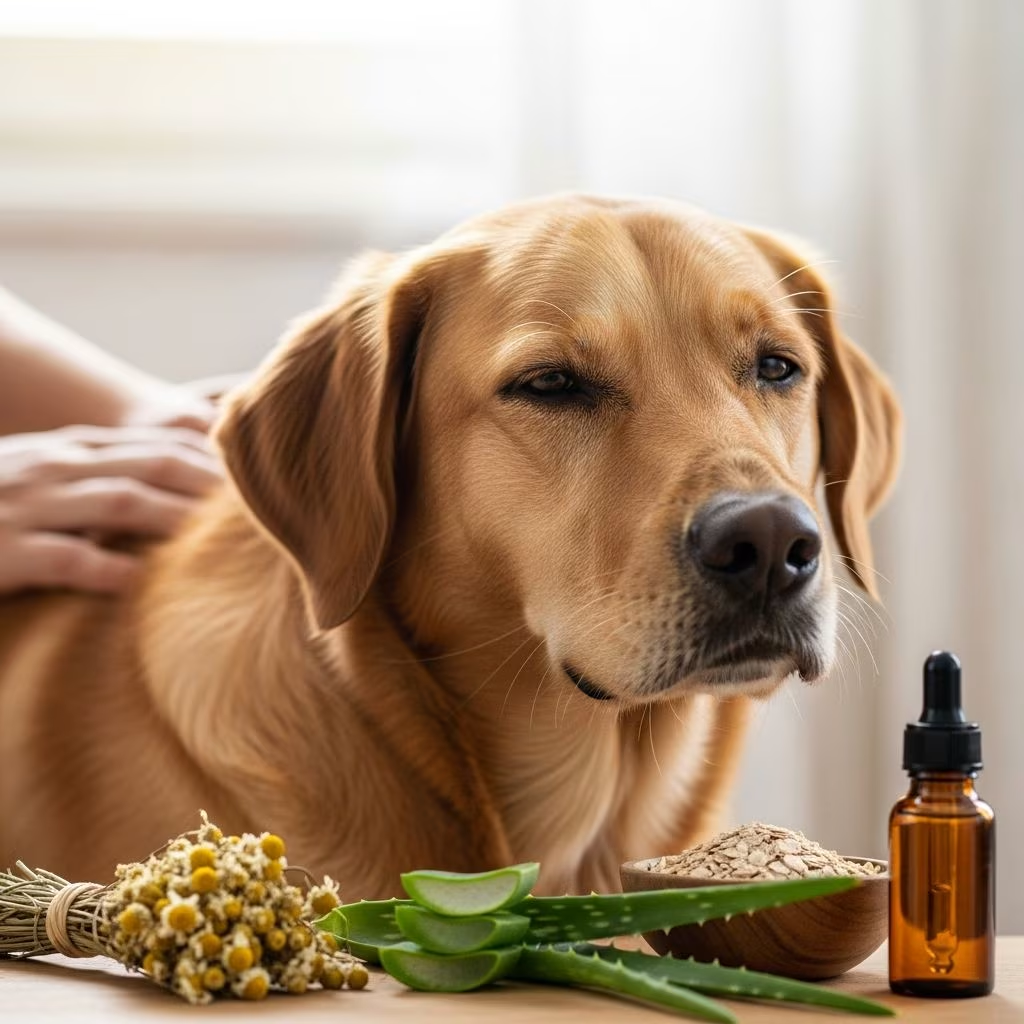
Dogs experiencing persistent scratching and skin discomfort face a quality-of-life issue that troubles many pet owners. The constant itching can lead to secondary infections, hair loss, and behavioral changes as your companion struggles with the irritation. While veterinary intervention remains essential for diagnosing underlying conditions, numerous natural remedies can provide meaningful relief and support your dog’s skin health without harsh chemicals or medications.
Understanding the Root Causes of Canine Itchiness
Before exploring treatment options, recognizing what triggers your dog’s scratching behavior proves crucial. Itchiness in dogs stems from multiple sources, each requiring slightly different approaches. Allergies—whether environmental or food-related—represent one of the most common culprits, causing inflammation and irritation across the skin surface. Parasitic infestations, dry skin exacerbated by climate or indoor heating, fungal or bacterial infections, and food sensitivities all contribute to uncomfortable itching patterns.
Identifying which factor drives your individual dog’s discomfort allows you to select the most appropriate remedy. A dog scratching primarily due to dry winter air may benefit from different interventions than one experiencing seasonal environmental allergies. This distinction between temporary relief and long-term management shapes how you approach natural treatments.
The Power of Ground Grain-Based Bathing
Among all available natural remedies, colloidal oatmeal baths consistently rank as the fastest-acting and most effective solution for most dogs experiencing itching. Colloidal oatmeal represents specially processed oatmeal ground into an extremely fine powder that dissolves uniformly in water rather than settling to the bottom. This fine texture creates a protective, moisturizing coating across your dog’s entire skin surface.
The anti-inflammatory compounds naturally present in oatmeal work to calm irritated skin while simultaneously locking in moisture. This dual action addresses both the inflammation driving the itching sensation and the underlying dryness that often accompanies skin problems. The remedy works particularly well for irritation affecting the belly, paws, and chest regions.
Preparation and Application Guidelines
- Grind plain, unflavored oatmeal into a fine powder using a food processor or blender
- Mix one cup of powdered oatmeal into warm (not hot) bathwater
- Allow your dog to soak for 10-15 minutes, gently massaging the mixture into affected areas
- Rinse thoroughly with clean water and pat dry gently
- If using shampoo afterward, select a fragrance-free formula designed for sensitive skin
- Limit full baths to once or twice weekly to avoid over-drying the skin
- For localized irritation, soak only affected paws or areas for 5-10 minutes daily
Many pet supply retailers offer pre-packaged colloidal oatmeal bath products, making preparation even simpler for busy owners. Commercial oatmeal bath packets designed for human use, such as certain brands commonly found in drugstores, work equally well for dogs when used as directed.
Herbal Soaking Solutions for Inflammatory Relief
Centuries of traditional use support the therapeutic properties of specific herbs in treating skin conditions. Chamomile and green tea contain natural compounds with proven anti-inflammatory, antihistamine, and antimicrobial characteristics that directly address the mechanisms underlying dog itching.
Preparing Herbal Tea Applications
For dogs with widespread itching affecting their entire body, fill your bathtub or sink with warm water and allow several herbal tea bags to steep for approximately three minutes. Once you remove the tea bags, have your dog soak in the herbal bath for at least five minutes. The warm liquid relaxes your dog while the tea’s active compounds penetrate and soothe irritated skin.
For targeted treatment of smaller, localized itchy patches, steep one or two tea bags in about two cups of hot water. Allow the brewed tea to cool completely before application. Pour the cooled tea directly onto your dog’s affected skin, allowing it to drip dry without rinsing. This method concentrates the remedy’s effects on problem areas while minimizing water exposure to the rest of the body.
Alternatively, brew three to five tea bags in boiling water, allow them to cool, and add the entire batch to your dog’s bath for a full-body treatment. For even more targeted relief, apply cooled tea bags directly as compresses to hot spots or mild rashes, holding them against the affected area for approximately five minutes.
Why These Herbs Prove Effective
Both chamomile and green tea naturally contain compounds that reduce inflammation and soothe irritated tissue. These remedies prove especially beneficial for dogs suffering from seasonal allergies or mild skin rashes. The antihistamine properties help modulate the allergic response without pharmaceutical intervention, making these herbs ideal for dogs requiring gentle, natural support.
Mineral-Based Therapeutic Soaking
Epsom salts represent another accessible natural remedy specifically useful for itchy paws. Dogs can soak their affected paws in a diluted Epsom salt solution for 5-10 minutes daily to soothe itching, remove accumulated allergens, and reduce inflammation. The mineral content helps draw out irritants while the warm soak provides immediate comfort.
This remedy works particularly well for dogs with paw-focused itching, as the targeted approach allows for consistent daily treatment without requiring a full bath. The warm soak relaxes the paw tissues while the dissolved minerals provide therapeutic benefits. This method can be performed using a shallow basin or bucket, making it convenient to incorporate into your daily routine.
Topical Oil and Gel Applications
Coconut Oil for Comprehensive Skin Support
Organic coconut oil delivers multiple beneficial properties that address various aspects of canine skin health. Cold-pressed, virgin coconut oil contains natural antimicrobial, anti-inflammatory, and deeply moisturizing compounds. Apply a thin layer directly to dry, flaky patches or irritated areas. The oil penetrates the skin, reducing inflammation while creating a protective barrier that locks in moisture.
Beyond topical application, small amounts of coconut oil added to your dog’s food support skin health from within. Many dogs tolerate internal coconut oil well, with the added benefit of providing nutritional support for overall skin quality. However, use coconut oil sparingly, as excessive amounts can clog pores or cause digestive upset in some dogs.
Coconut oil proves particularly valuable for addressing:
- Dry elbows and pressure points
- Irritated paw pads
- Itchy neck and ear regions
- Localized hot spots with minor skin irritation
Aloe Vera Gel for Cooling Relief
Pure aloe vera gel provides immediate cooling relief for inflamed, itchy skin. The gel’s natural anti-inflammatory and wound-healing properties work similarly to how aloe treats human sunburns. Apply a thin layer directly to affected areas, and the cooling sensation provides immediate comfort while the active compounds reduce underlying inflammation.
When selecting aloe vera products, ensure you’re using 100% natural aloe without added alcohols, fragrances, or synthetic additives, as some formulations may prove harmful to dogs. This remedy works exceptionally well for localized irritation and responds rapidly to application. However, prevent your dog from licking the aloe, as ingesting aloe products can upset their digestive system.
Acidic Solutions for pH Balance and Antimicrobial Action
Apple cider vinegar serves as a multipurpose remedy offering both antibacterial and antifungal benefits. Dilute apple cider vinegar with equal parts water in a spray bottle, then apply the solution to itchy spots while carefully avoiding open wounds or raw, broken skin. The acidic nature of this remedy helps restore your dog’s skin’s natural pH balance while discouraging yeast overgrowth, which often accompanies or exacerbates itching.
This spray approach proves convenient for treating multiple affected areas or for between-bath maintenance. The solution’s antimicrobial properties address bacterial and fungal contributors to itching, making it valuable for dogs whose itching stems from secondary infections developing due to scratching.
Alternative Paste-Based Treatments
For dogs with particularly stubborn or localized itching, a baking soda paste offers an additional option. Mix baking soda with a small amount of water to create a thick paste, then apply it directly to affected areas. This remedy alkalizes the immediate skin environment, potentially providing relief for certain types of irritation. Alternatively, a full baking soda bath can be created by dissolving baking soda throughout your dog’s bathwater, similar to oatmeal bath preparation.
Integrating Multiple Remedies for Maximum Effectiveness
Many dog owners find that combining remedies addresses itching from multiple angles simultaneously. A comprehensive approach might include weekly oatmeal baths as a foundation, daily paw soaks in Epsom salt solution, topical coconut oil application to localized hot spots, and apple cider vinegar spray for between-bath maintenance. This layered strategy provides consistent relief while targeting both inflammation and underlying skin health.
The key to success involves consistency and observation. Track which specific remedies produce the most noticeable improvement for your individual dog, then prioritize those approaches. Every dog’s skin responds differently based on their unique physiology, underlying causes of itching, and coat type.
Important Limitations and When to Seek Professional Care
While these natural remedies effectively manage mild itching and provide meaningful relief, they represent supportive care rather than curative treatment. Home remedies work best for temporary itch management or as part of a comprehensive approach that includes professional veterinary diagnosis and treatment when necessary.
Severe itching, signs of infection including pus or excessive redness, rapid hair loss, or itching accompanied by other symptoms warrants immediate veterinary evaluation. Additionally, never administer human medications to your dog without explicit veterinary approval, as dosages differ significantly and some ingredients prove toxic to dogs.
If your dog’s itching persists despite consistent application of natural remedies, or if itching patterns suggest parasitic infection or more serious underlying conditions, professional diagnosis becomes essential. Veterinarians can identify specific causes and recommend targeted treatments that may include prescription medications, specialized diets, or other interventions beyond natural remedies.
Frequently Asked Questions
What provides the fastest natural relief for dog itching?
Colloidal oatmeal baths deliver the most rapid relief for most dogs, with soothing properties calming inflammation within minutes while simultaneously moisturizing irritated skin.
How often should I bathe my itchy dog?
Limit full-body baths with oatmeal or herbal solutions to once or twice weekly to prevent over-drying the skin. Paw soaks and spot treatments can be performed daily without negative effects.
Can I use these remedies alongside veterinary treatments?
Most natural remedies complement professional veterinary care well. However, discuss your home remedy plans with your veterinarian to ensure compatibility with any prescribed medications or treatments.
Are all these remedies safe for all dog breeds?
Most remedies suit all breeds, though individual dogs may show sensitivities. Monitor your dog’s response when introducing any new treatment, and discontinue if adverse reactions occur. Long-haired dogs may require adjusted preparation methods to ensure remedies reach the skin effectively.
How long before I notice improvement?
Some remedies like oatmeal baths provide immediate relief during and shortly after treatment. Others like coconut oil or dietary adjustments require consistent application over several weeks to demonstrate cumulative benefits.
References
- 5 Natural Remedies to Help Your Itchy Dog — AKC Pet Insurance. 2024. https://www.akcpetinsurance.com/blog/5-natural-remedies-to-help-your-itchy-dog
- Home Remedies For A Dog’s Itchy Skin: How Diet Can Help — Spot and Tango. 2024. https://www.spotandtango.com/blog/home-remedy-for-dog-itchy-skin
- Best Natural Home Remedies for Itchy Dogs & Skin Allergy Relief — Boras Veterinary Clinic. 2024. https://www.borashvet.com/best-natural-home-remedies-itchy-dogs/
- Best Home Remedies for Itchy Dogs: Natural Relief for Skin Allergies — Hudson Highlands Veterinary Group. 2024. https://www.hudsonhighlandsvet.com/best-home-remedies-for-itchy-dogs-natural-skin-allergy-relief/
- Home Remedies for Itchy Dogs — Patton Veterinary Hospital. 2024. https://pattonvethospital.com/blog/1311287-home-remedies-for-itchy-dogs
- The Best Home Remedies for Itchy Dogs — Woofie’s Pet Care. 2024. https://www.woofies.com/blog/pet-grooming/the-best-home-remedies-for-itchy-dogs/



