Natural Solutions for Canine Skin Flaking
Proven methods to restore your dog's coat health using natural ingredients
Natural Solutions for Canine Skin Flaking: A Comprehensive Guide to Restoring Your Dog’s Coat
Canine dandruff, characterized by visible white flakes in a dog’s fur, represents one of the most common dermatological concerns pet owners encounter. While the condition may appear cosmetic, it often signals underlying issues with skin hydration, nutritional deficiencies, or environmental factors. Understanding the root causes and implementing targeted natural interventions can restore your dog’s coat to its optimal condition without relying on harsh chemicals or expensive veterinary treatments.
Understanding the Underlying Causes of Skin Flaking in Dogs
Before addressing treatment options, recognizing why dandruff develops in dogs proves essential. The condition stems from multiple potential sources, each requiring specific management approaches. Dry environmental conditions, particularly during winter months, create moisture loss from the skin’s surface. Nutritional imbalances, especially deficiencies in essential fatty acids, compromise the skin’s protective barrier function. Over-bathing disrupts natural oil production, leaving skin vulnerable to dryness and irritation. Additionally, bacterial or fungal infections, though less common, can manifest as flaking. Understanding these contributing factors allows for more targeted and effective intervention strategies.
Topical Treatments That Restore Moisture and Comfort
The Emollient Power of Coconut Oil
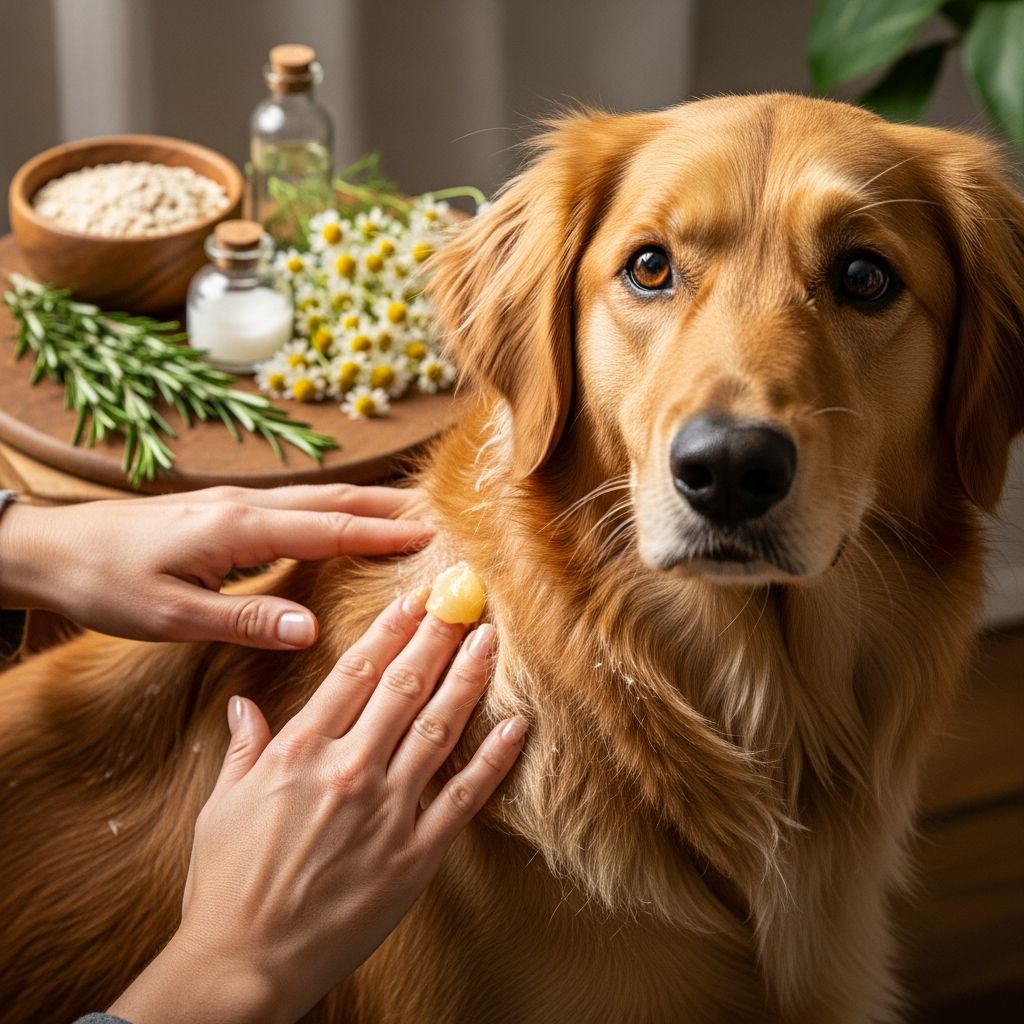
Coconut oil functions as a multi-purpose remedy for compromised canine skin. This natural substance contains lauric acid, which exhibits both antifungal and antibacterial properties while simultaneously providing deep moisturization to affected areas. The oil’s molecular structure allows it to penetrate the outer skin layers, restoring hydration at the cellular level rather than merely coating the surface.
Application methodology: Warm approximately one tablespoon of organic, unrefined coconut oil between your palms until it reaches liquid consistency. Work the oil directly into your dog’s skin using gentle massage motions against the hair growth direction, ensuring contact with the underlying dermis rather than just the coat surface. Concentrate efforts on visibly dry patches and flaky regions. Allow the treatment to remain on the skin for five to ten minutes before brushing through the coat to distribute excess oil evenly. The treatment can be left in place or gently rinsed with lukewarm water. Apply this treatment two to three times weekly for optimal results. Many dogs tolerate the taste without difficulty, so any ingested oil during grooming poses no health concerns and may even provide internal coat benefits.
Colloidal Oatmeal Soaking Therapy
Oatmeal represents a time-tested botanical solution for irritated canine skin. When processed into a finely ground colloidal form, oatmeal creates a protective barrier on the skin surface that locks in moisture while simultaneously reducing inflammation and itching. This mechanism works particularly well for dogs experiencing significant discomfort or visible irritation accompanying their flaking.
Preparation and application: Process one cup of plain, unflavored oatmeal into a fine powder using a standard blender or food processor until achieving a consistency similar to flour. Fill your bathing vessel with lukewarm water—never hot, as elevated temperatures actually increase skin dryness. Gradually sprinkle the oatmeal powder into the water while stirring until the mixture develops a milky appearance. Submerge your dog for ten to fifteen minutes, using gentle motions to work the oatmeal-infused water into their skin and coat. Following the soak, rinse thoroughly with clean lukewarm water and pat dry with a soft towel. Limit full-body oatmeal baths to once every two to three weeks to prevent stripping away the skin’s beneficial natural oils.
Apple Cider Vinegar as a pH Balancer
Raw, unfiltered apple cider vinegar functions as a natural antibacterial agent that restores proper skin pH balance while eliminating yeast or bacterial colonies responsible for flaking. The acidic nature of this vinegar works against the alkaline environment that promotes microbial overgrowth.
Proper dilution and use: Combine equal parts raw, unfiltered apple cider vinegar with clean water in a spray bottle, creating a 50/50 solution. After bathing your dog, spray this diluted mixture directly onto the dampened coat, deliberately avoiding sensitive areas including the eyes, nose, and any existing wounds or open skin lesions. Massage the solution into the skin using gentle circular motions and allow it to air-dry without rinsing. The characteristic vinegar odor dissipates completely once the solution dries. Implement this rinse treatment one to two times per week. Never apply undiluted apple cider vinegar, as the concentrated acidity can irritate sensitive skin and cause additional discomfort.
Strategic Nutritional Interventions
Essential Fatty Acid Supplementation
The skin’s health ultimately reflects internal nutritional status. Essential fatty acids, particularly omega-3 and omega-6 compounds, maintain the skin’s moisture barrier and support overall dermal wellness. These nutrients work at the cellular level to reduce inflammation and strengthen the protective functions of the outer skin layers.
Dietary sources and supplementation: Incorporate fatty fish species including salmon, mackerel, and sardines into your dog’s regular diet several times weekly. Plant-based omega-3 sources such as flaxseeds and chia seeds provide complementary nutritional support. For dogs requiring concentrated supplementation, omega-3 formulations specifically designed for canine consumption deliver measurable results within four to six weeks. Consult your veterinarian regarding appropriate dosing based on your dog’s size and existing health conditions, as supplement quality varies significantly among commercial products.
Whole Food Diet Composition
Commercial pet foods frequently contain artificial additives, preservatives, and fillers that trigger inflammatory responses in susceptible dogs. The high omega-6 content common in processed formulations exacerbates inflammation rather than alleviating it. Transitioning to a whole-food diet emphasizing fresh, unprocessed ingredients provides superior nutritional support.
Balanced whole-food approach: Construct your dog’s meals from diverse animal proteins including lean meats, organ meats, and bone broths. Include a variety of vegetables and fruits that provide essential micronutrients and antioxidants. This approach ensures comprehensive nutritional coverage while eliminating the problematic additives present in most commercial alternatives. If transitioning to whole-food feeding, implement changes gradually over seven to ten days to allow your dog’s digestive system to adapt appropriately.
Probiotic Integration
The gut microbiome significantly influences skin health through immune system modulation and nutrient absorption. Probiotic foods and supplements maintain healthy intestinal bacteria populations, which subsequently reduces yeast overgrowth on the skin. Yogurt and kefir provide natural probiotic sources, while veterinary-formulated supplements offer concentrated cultures specifically selected for canine digestive health.
Environmental and Grooming Considerations
Humidity Management in Living Spaces
Indoor environmental moisture levels directly impact skin hydration in dogs spending significant time indoors. Aim to maintain relative humidity between 30 and 50 percent, particularly during winter months when heating systems create exceptionally dry conditions. Installing a humidifier in areas where your dog spends the most time provides consistent moisture that helps skin retain its natural hydration.
Regular Coat Brushing Protocols
Daily brushing distributes natural oils throughout the coat while removing dead skin cells and stimulating circulation to the skin surface. This mechanical action promotes healthier skin from the outside in, complementing internal nutritional interventions. Use soft-bristled brushes or grooming mitts to avoid causing additional irritation or discomfort during the grooming process.
Bathing Frequency and Shampoo Selection
Over-bathing represents a primary cause of canine dandruff development. Frequent shampooing strips away protective natural oils faster than the skin can replenish them, creating a cycle of increasing dryness. Limit bathing to once every three to four weeks unless your veterinarian recommends more frequent cleansing for specific medical reasons.
When bathing is necessary, select shampoos formulated specifically for dogs with ingredients that support skin health. The following table outlines key ingredients and their specific benefits:
| Ingredient | Primary Benefit | Mechanism |
|---|---|---|
| Colloidal Oatmeal | Soothes itching and reduces inflammation | Creates protective barrier and locks moisture |
| Aloe Vera | Hydrates and promotes healing | Penetrates skin layers to restore moisture |
| Vitamin E | Antioxidant skin cell repair | Protects against oxidative damage |
| Coconut Oil | Adds moisture and fights infection | Penetrates skin while providing antimicrobial properties |
| Shea Butter | Creates protective moisture barrier | Seals in hydration while providing nutrients |
| Chamomile | Relieves itching and soothes irritation | Anti-inflammatory botanical extract |
| Calendula | Promotes skin regeneration | Enhances cellular repair processes |
Hydration Support and Overall Wellness
Proper hydration at the systemic level supports skin moisture from within. Ensure your dog has constant access to fresh, clean water throughout the day. Some dogs benefit from increased moisture intake through water-based meals or broths added to their food. Adequate hydration combined with omega-3 supplementation creates a comprehensive approach to supporting the skin’s moisture barrier function.
Timeline Expectations and When to Seek Professional Guidance
Most dogs show measurable improvement in coat condition and reduced flaking within three to four weeks of implementing these natural interventions. Consistent application of topical treatments combined with dietary modifications typically produces the most rapid and dramatic results. However, some cases require extended treatment periods of six to eight weeks to achieve complete resolution.
If your dog continues displaying white flakiness, excessive itching, or visible skin lesions after one month of consistent home treatment, schedule a veterinary consultation. Persistent symptoms may indicate underlying infections, mange, allergies, or other dermatological conditions requiring professional diagnosis and treatment. Your veterinarian can perform diagnostic tests to identify specific pathogens or nutritional deficiencies contributing to the problem.
Frequently Asked Questions
Can I use human dandruff shampoos on my dog?
No. Human formulations contain ingredients and pH levels designed for human skin, which differs significantly from canine skin. Using human products can irritate your dog’s skin and worsen the dandruff problem.
How quickly will I see results from natural treatments?
Initial improvements typically appear within two to three weeks, though complete resolution may require four to eight weeks depending on the severity of the condition and consistency of treatment application.
Is it safe for my dog to ingest coconut oil?
Yes, ingested coconut oil is generally safe for most dogs and provides internal coat health benefits. However, dogs with pancreatitis history should avoid oral coconut oil consumption. Always consult your veterinarian regarding individual circumstances.
Can I combine multiple treatments simultaneously?
Yes. Many pet owners find combining approaches—such as dietary changes with topical treatments and environmental adjustments—produces faster results than single interventions alone.
References
- How to Get Rid of Dog Dandruff: Natural Remedies That Work — Fit Warm. Accessed March 2026. https://www.fitwarm.com/blogs/news/get-rid-of-dog-dandruff-natural-remedies
- Natural Solutions For Dog Dandruff — Dogs Naturally Magazine. Accessed March 2026. https://www.dogsnaturallymagazine.com/dog-dandruff/
- Treating Your Dog’s Dandruff and Dry Skin Naturally — Wag Walking. Accessed March 2026. https://wagwalking.com/wellness/treating-your-dogs-dandruff-and-dry-skin-naturally
- How to Reduce Dog Dandruff: Natural Remedies & Diet Tips — Bailey’s CBD. Accessed March 2026. https://baileyscbd.com/blogs/dog-health/how-to-reduce-dog-dandruff-natural-remedies-diet-tips
- Home Remedies for Dry Dog Skin — AKC Pet Insurance. Accessed March 2026. https://www.akcpetinsurance.com/blog/home-remedies-for-dry-dog-skin
Similar Articles








Read full bio of medha deb