

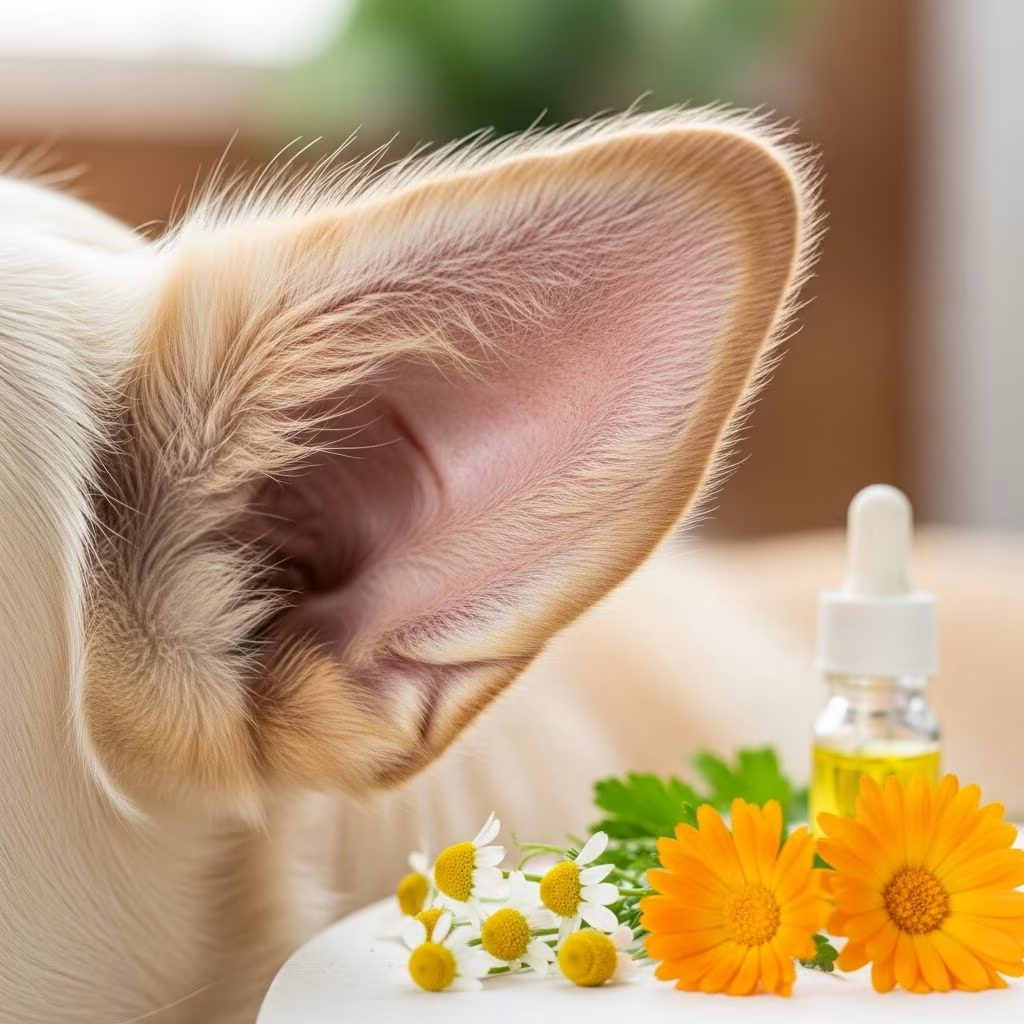
Maintaining your dog’s ear health is a critical aspect of responsible pet ownership that is often overlooked until problems arise. Many dogs struggle with accumulating debris, excess wax, and moisture in their ear canals, creating an environment where fungal and bacterial infections can flourish. Rather than always turning to commercial products or expensive veterinary treatments, you can prepare effective ear-cleaning solutions at home using natural ingredients that are gentle yet powerful enough to maintain your dog’s auditory wellness.
Understanding Why Canine Ears Require Regular Attention
Dogs’ ear anatomy differs significantly from humans, with a more complex canal structure that makes them susceptible to accumulating dirt, moisture, and waxy buildup. Some dogs naturally maintain clean ears with minimal intervention, while others seem perpetually prone to developing problematic conditions characterized by unpleasant odors and visible dirt. Without proper maintenance, the combination of trapped debris, moisture, and warmth creates ideal conditions for yeast proliferation and bacterial colonization. Early attention to ear cleanliness can prevent the development of infections that cause discomfort, behavioral changes, and costly veterinary interventions.
Essential Natural Ingredients for Homemade Formulations
Creating effective homemade ear cleaners begins with understanding the properties of various natural ingredients and how they work together to promote ear health. The following components are recognized for their safety, efficacy, and availability:
Acidity and pH Management
Vinegar serves as a cornerstone ingredient in many homemade ear formulations due to its natural acidity, which helps maintain the proper pH balance within the ear canal. This acidic environment actively discourages the proliferation of yeast and bacteria that thrive in more alkaline conditions. Both white distilled vinegar and apple cider vinegar are effective options, though both must be diluted to prevent irritation of the delicate ear canal tissues.
Antimicrobial Properties
Boric acid functions as a topical antimicrobial agent that has been used safely in both human and veterinary medicine for decades. This dry powder works by acidifying the ear environment while simultaneously helping to dry excess moisture, creating inhospitable conditions for yeast and bacterial growth. When incorporated into liquid solutions, boric acid enhances the overall antimicrobial effectiveness of homemade cleaners.
Soothing and Healing Compounds
Aloe vera juice or gel provides multiple benefits to compromised ear tissue, combining soothing properties with mild antiseptic qualities. The botanical contains numerous active compounds that support tissue healing and reduce inflammation, making it particularly valuable for dogs with sensitive or irritated ears. Glycerin, a natural humectant, works alongside aloe to maintain skin suppleness while helping distribute other active ingredients throughout the ear canal.
Anti-inflammatory Support
Green tea, brewed fresh from dried leaves or tea bags, offers powerful antioxidant and anti-inflammatory benefits. Prepared at full strength and cooled to room temperature, green tea can be incorporated into ear cleaning solutions to reduce swelling and inflammation associated with emerging infections. Its natural compounds provide antimicrobial support while promoting healing of irritated tissues.
Drying Agents
Isopropyl (rubbing) alcohol acts as an effective disinfectant that destroys bacteria, viruses, yeasts, and fungi while simultaneously evaporating moisture from the ear canal. However, alcohol must always be significantly diluted with less irritating liquids to prevent painful burning sensations when applied to sensitive ear tissues. Its drying properties make it particularly valuable for dogs that swim frequently or have naturally moist ear environments.
Foundation Recipes for Regular Maintenance
The following formulations can be prepared in small batches and stored for several weeks in clean, airtight containers:
Simple Vinegar and Water Solution
The most straightforward approach combines equal parts vinegar and distilled water, creating a balanced solution suitable for weekly maintenance cleaning. This basic formula requires minimal ingredients and preparation time while providing effective pH management and gentle cleaning action. Pour the combined liquids into a clean bottle, shake thoroughly before each application, and store at room temperature away from direct sunlight.
| Component | Amount | Function |
|---|---|---|
| Apple Cider or White Vinegar | 1/4 cup (2 fluid ounces) | pH balance, antimicrobial action |
| Distilled Water | 1/4 cup (2 fluid ounces) | Dilution, safe delivery medium |
Advanced Formula for Problematic Ears
Dogs that swim frequently, have naturally oily ears, or show signs of excess wax accumulation benefit from a more robust formula that includes additional drying and antimicrobial components. This enhanced combination works synergistically to dissolve stubborn debris while preventing moisture retention that encourages infection development.
| Ingredient | Measurement | Contribution |
|---|---|---|
| Apple Cider Vinegar | 1/4 cup | Wax dissolution, bacterial inhibition |
| Distilled Water | 1/4 cup | Safe dilution medium |
| Witch Hazel | 2 tablespoons | Astringent, inflammation reduction |
| Boric Acid Powder | 1/2 teaspoon | Yeast inhibition, drying action |
Gentle Formula for Sensitive Ears
Some dogs experience ear sensitivity or have a history of dermatological reactions to common ingredients. For these animals, a gentler formulation emphasizing soothing properties over aggressive antimicrobial action proves more appropriate. This approach prioritizes comfort while still providing mild cleansing benefits.
| Element | Quantity | Purpose |
|---|---|---|
| Pure Aloe Vera Juice | 1/4 cup | Soothing, anti-inflammatory |
| Distilled Water | 1/4 cup | Gentle dilution |
| Vegetable Glycerin | 5 drops | Skin conditioning, ingredient distribution |
Oil-Based Alternatives
Some veterinary professionals recommend oil-based approaches for maintenance cleaning and prevention. Cold-pressed oils such as olive oil or almond oil can be gently warmed and applied to cotton balls for surface cleaning. These oils provide natural antimicrobial properties while creating a protective barrier on the ear canal tissues. Never use avocado oil or grape seed oil, as these can cause irritation in canine ears.
Proper Application Techniques
Understanding correct application methods maximizes cleaning effectiveness while minimizing the risk of complications or discomfort for your dog.
Preparation Steps
- Always warm prepared solutions to room temperature before application, as cold liquids can startle or distress your dog
- Shake the solution vigorously to ensure even distribution of all ingredients
- Gather cotton balls or gauze strips, avoiding cotton swabs that can push debris deeper into the canal
- Choose a quiet location where your dog feels comfortable and secure
Application Process
- Saturate a cotton ball thoroughly with the prepared cleaning solution
- Gently insert the soaked cotton into the ear canal opening, moving it slightly to release the solution
- Using gentle external massage at the base of the ear flap, distribute the solution throughout the canal
- Allow your dog to shake their head vigorously, which aids in dislodging debris and loosening buildup
- Wipe away excess solution and loosened debris using fresh cotton balls
- Repeat the process on the opposite ear
Post-Cleaning Care
After cleaning, allow your dog’s ears to air dry naturally. Some dogs may benefit from gentle drying with a soft cloth, though most prefer to shake and dry independently. Monitor the ears over the following hours to ensure no excessive drainage occurs, which might indicate an underlying problem requiring veterinary attention.
Frequency and Maintenance Schedules
The appropriate cleaning frequency depends on individual dog characteristics and ear health status. Dogs with healthy ears and good natural drainage may require cleaning only monthly or even less frequently. Dogs prone to ear problems, those with floppy ears that trap moisture, or breeds with naturally oily ear canals may benefit from weekly or bi-weekly cleaning sessions. Swimming dogs should have their ears cleaned promptly after water exposure to prevent moisture-related complications.
Important Safety Considerations
While homemade solutions offer effective maintenance options, several important precautions ensure safe application. Never attempt deep canal cleaning if you lack familiarity with normal ear anatomy, as excessive cleaning pressure can potentially rupture the delicate eardrum. If you observe signs of infection including discharge, excessive redness, swelling, or behavioral changes suggesting ear pain, cease home cleaning and consult your veterinarian immediately.
Avoid using cotton swabs or any rigid applicators that could damage canal tissues. Always dilute vinegar and alcohol appropriately, as full-strength application can cause burning sensations and tissue damage. If your dog shows signs of allergic reaction to any ingredient, discontinue use and seek professional guidance.
When to Seek Professional Intervention
Homemade solutions work best for maintenance and prevention of minor issues. However, certain situations demand veterinary expertise and treatment. Active infections characterized by discharge, odor, or visible inflammation require professional diagnosis and potentially prescription medications. If cleaning efforts fail to resolve issues within two weeks, if new symptoms develop, or if your dog shows signs of pain or hearing loss, professional evaluation becomes necessary.
Comparing Approaches to Ear Health
| Method | Best For | Frequency | Cost |
|---|---|---|---|
| Simple Vinegar Solution | Routine maintenance, healthy ears | Monthly to bi-weekly | Minimal |
| Enhanced Formula | Oily ears, swimming dogs | Weekly | Low |
| Sensitive Ear Formula | Irritated or reactive ears | As needed | Low |
| Oil-Based Options | Preventative care, sensitive dogs | Weekly to bi-weekly | Minimal |
Common Questions About Homemade Ear Cleaning
How long do homemade solutions remain effective?
Properly prepared and stored solutions typically maintain their effectiveness for three to four weeks when kept in clean, sealed containers away from heat and direct sunlight. Discard any solution showing cloudiness, sediment, or unusual odors.
Can I use tap water instead of distilled water?
Distilled water is preferable because it lacks minerals and potential contaminants present in tap water that could irritate ear tissues. Using tap water occasionally poses minimal risk, but distilled water ensures optimal safety and solution stability.
What should I do if my dog resists ear cleaning?
Start with very gentle handling and positive reinforcement. Some dogs respond better to having solution applied via cotton ball rather than having liquid squirted directly into the ear. Building positive associations through treats and praise makes future cleanings easier.
Are there any breeds particularly prone to ear problems?
Dogs with floppy ears including Spaniels, Retrievers, and Hounds tend toward more frequent ear issues due to reduced air circulation. Dogs with hairy ear canals also benefit from more regular attention to maintain cleanliness.
References
- How to Clean Dogs Ears: Safe and Natural Solutions — Halo Collar. https://www.halocollar.com/blog/dog-health/health-care/natural-dog-ear-cleaners/
- Homemade Ear Cleaner for Dogs — Whole Dog Journal. https://www.whole-dog-journal.com/care/homemade-ear-cleaner-for-dogs/
- How to Clean Your Dog’s Ears: Step by Step Guide — Oak Tree Veterinary Hospital. https://www.oaktreevet.net/how-to-clean-your-dogs-ears-step-by-step-guide/
- Ear Cleaning — Folly Road Animal Hospital. https://follyroadanimalhospital.com/homecare/ear-cleaning/
- Home Remedies for Dog Ear Infection — Eascor Animal Hospital. https://eascoranimalhospital.com/pet-pharmacy/home-remedies-for-dog-ear-infections/



