

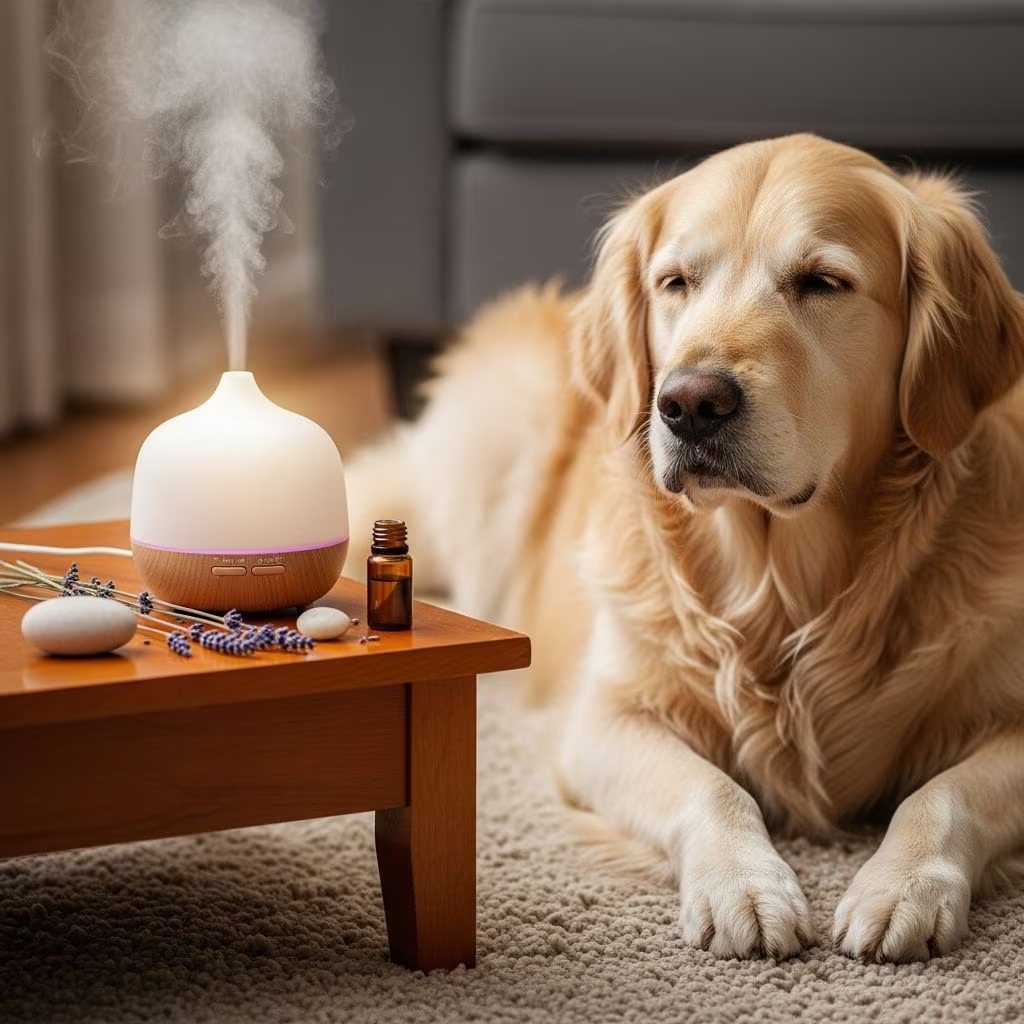
Arthritis affects countless dogs, causing chronic pain, stiffness, and reduced quality of life. While conventional treatments like NSAIDs provide relief, many owners seek natural alternatives such as aromatherapy with essential oils and herbal extracts. These plant-derived remedies offer anti-inflammatory, analgesic, and circulation-boosting properties, potentially improving joint health without harsh side effects. Recent clinical trials support their use, showing significant pain reduction in treated dogs compared to placebos.
Understanding Arthritis in Dogs
Osteoarthritis (OA) is the most prevalent joint disorder in canines, resulting from cartilage degradation, inflammation, and bone remodeling. It commonly impacts older dogs or large breeds prone to hip dysplasia. Symptoms include limping, reluctance to climb stairs, difficulty rising, and behavioral changes like irritability. Early intervention with multimodal approaches—combining diet, exercise, and therapies—can slow progression.
Standard management focuses on pain control and mobility support, but pharmaceuticals carry risks like gastrointestinal ulcers or kidney strain. Natural options, including aromatherapy, complement these by targeting inflammation at the cellular level through bioactive compounds like terpenes and cannabinoids.
Key Benefits of Aromatherapy for Joint Pain
Essential oils are concentrated plant extracts with volatile compounds that penetrate skin and mucous membranes, delivering localized relief. When diluted in carrier oils, they enhance blood flow, reduce swelling, and modulate pain signals. Herbal decoctions and hydrosols provide gentler, water-soluble alternatives for sprays or oral use.
- Anti-inflammatory action: Oils like lavender inhibit pro-inflammatory cytokines.
- Pain modulation: Ginger and peppermint block nerve pain pathways.
- Circulatory boost: Rosemary dilates vessels, aiding nutrient delivery to joints.
- Detoxification: Juniper supports lymphatic drainage, reducing toxin buildup.
These benefits align with findings from veterinary studies, where herbal blends outperformed placebos in reducing veterinary-assessed pain scores over 8 weeks.
Top Essential Oils for Canine Joint Support
Select pet-safe oils from reputable sources, ensuring purity without synthetic additives. Always dilute and patch-test for allergies.
| Oil | Primary Benefits | Safe Application |
|---|---|---|
| Lavender | Calms nerves, reduces inflammation via linalool | Massage blend or diffuser |
| Ginger | Antispasmodic, improves circulation | Topical rub (diluted) |
| Rosemary | Enhances blood flow, eases stiffness | Joint massage oil |
| Helichrysum | Regenerates tissues, analgesic | Carrier oil mix |
| Copaiba | Broad anti-inflammatory terpenes | Spray or oral tincture |
Lavender’s linalyl acetate and linalool demonstrate nociceptive effects in lab models, making it suitable for muscular aches. Copaiba’s beta-caryophyllene interacts with cannabinoid receptors, mimicking CBD’s pain-relieving action without psychoactivity.
Proven Herbal Blends from Research
Clinical evidence validates multi-herb formulas. A double-blind study on Pet Wellbeing Agile Joints—a decoction of anti-inflammatory herbs—showed treated dogs had lower pain scores at weeks 4 and 8 versus placebo. No adverse effects on bloodwork were noted, confirming safety at recommended doses (~17-19 mg/kg twice daily).
Another trial with full-spectrum cannabis extract (CBD + THC) reduced Helsinki Chronic Pain Index scores by 2.4 points over 90 days, with only mild, transient side effects. CBD alone, in a Baylor-led study, improved owner-reported mobility in 20 arthritic dogs after 4 weeks, alongside reduced inflammatory markers.
Safe Application Techniques
Proper use maximizes efficacy while minimizing risks like skin irritation or ingestion toxicity.
- Topical Massage: Mix 1-2 drops essential oil per teaspoon carrier (jojoba, coconut, arnica-infused). Apply to affected joints, massaging gently for 5-10 minutes daily.
- Hydrosol Sprays: Dilute oils in distilled water (10-20 drops per 8 oz). Mist on coat or bedding; avoid face.
- Diffusion: Use nebulizing diffusers in well-ventilated rooms, 30 minutes max per session.
- Bath Additives: 15-20 drops in 8 oz unscented shampoo for full-body relief.
- Oral Supplements: Vet-approved tinctures or decoctions; start low (e.g., 0.1 mg/kg CBD).
For acute flare-ups, blends like rosemary-ginger-juniper in arnica base promote quick circulation. Chronic use benefits from consistent, low-dose protocols.
DIY Recipes for Home Use
Create custom remedies tailored to your dog’s needs. Consult a vet aromatherapist for personalization.
Daily Joint Massage Oil
- 2 oz jojoba oil (carrier)
- 4 drops helichrysum
- 3 drops ginger
- 2 drops lavender
- 2 drops peppermint
Combine in dark glass bottle. Shake well; apply sparingly to hips, elbows.
Calming Room Spray
- 4 oz distilled water
- 10 drops sweet marjoram
- 5 drops vetiver
- 5 drops grapefruit
Spritz environment 2-3 times daily to reduce stress-induced tension.
Arthritis Relief Balm
Melt 1/4 cup beeswax with 1/2 cup fractionated coconut oil. Add 20 drops total of birch, wintergreen, and carrot seed oils. Cool in tins for easy rub-on use.
Precautions and Veterinary Guidance
Not all oils suit every dog. Cats metabolize phenols poorly, but dogs tolerate most well if diluted (under 1% concentration for topicals). Avoid tea tree, eucalyptus, or citrus undiluted due to toxicity risks. Pregnant dogs or those with seizures need vet clearance.
Monitor for drooling, vomiting, or lethargy—signs of overdose. Integrate with diagnostics like X-rays for comprehensive care. Studies confirm safety in trials, but individual responses vary.
Integrating with Lifestyle Changes
Aromatherapy shines in holistic plans. Pair with:
- Weight management: Reduce joint load.
- Low-impact exercise: Swimming, gentle walks.
- Joint supplements: Glucosamine, omega-3s.
- Acupuncture or laser therapy for synergy.
Owners report cumulative benefits, with dogs showing improved gait and playfulness after 2-4 weeks.
Frequently Asked Questions
Can essential oils cure arthritis?
No, they manage symptoms by reducing pain and inflammation, not reversing cartilage loss.
Is CBD safe for daily dog use?
Yes, trials up to 90 days show safety at proper doses; monitor liver enzymes long-term.
How quickly do results appear?
Some relief in days via topicals; full effects in 4-8 weeks per studies.
What if my dog licks the oil?
Use pet-safe collars or distract post-application; choose ingestible oils like copaiba if needed.
Where to buy quality products?
Seek third-party tested oils from veterinary aromatherapists or brands with clinical backing.
Real-World Success Stories
Dogs like those in Baylor’s CBD trial regained stair-climbing ability. Herbal decoctions helped placebo-group laggards catch up in mobility scores, per owner logs. These anecdotes underscore science-backed potential.
References
- A pilot study examining a proprietary herbal blend for the treatment of canine osteoarthritis pain — PMC. 2021. https://pmc.ncbi.nlm.nih.gov/articles/PMC8682926/
- Researchers find CBD improves arthritis symptoms in dogs — Phys.org (Baylor College of Medicine study). 2020-05-25. https://phys.org/news/2020-05-cbd-arthritis-symptoms-dogs.html
- Cannabis-based extract for managing pain in dogs with osteoarthritis — Frontiers in Pharmacology. 2025. https://www.frontiersin.org/journals/pharmacology/articles/10.3389/fphar.2025.1539704/full
- Essential Oils for Arthritis in Dogs — IVC Journal. Accessed 2026. https://ivcjournal.com/essential-oils-for-arthritis-in-dogs/
- Does oral cannabidiol oil in adjunct to pain medications help reduce pain associated with osteoarthritis in dogs? — Veterinary Evidence. Recent. https://veterinaryevidence.org/index.php/ve/article/view/701



