
Natural Remedies for Dogs
Discover safe, effective natural remedies to support your dog's health, from soothing skin issues to boosting digestion and immunity.
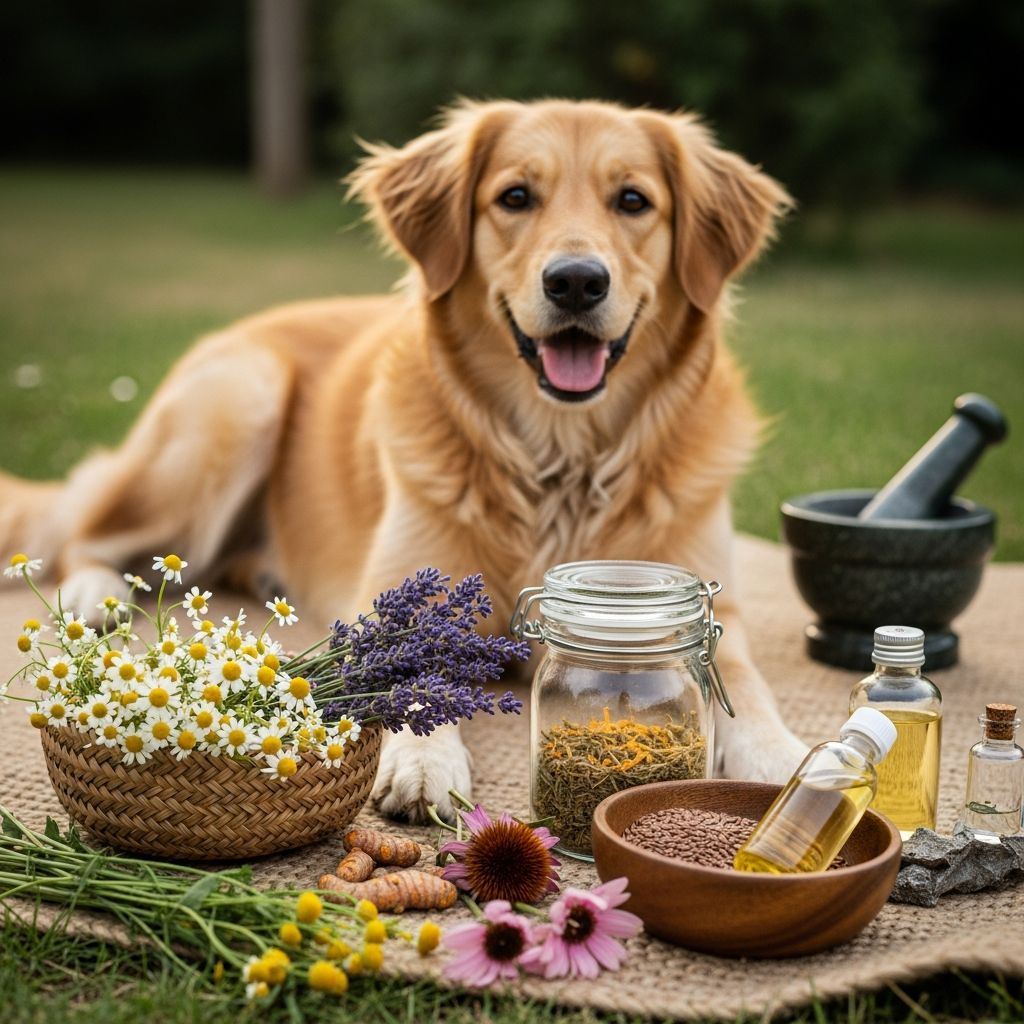
Pet owners increasingly turn to natural remedies to manage their dogs’ everyday health concerns, offering gentle alternatives to synthetic medications. These approaches leverage whole foods, herbs, and simple home ingredients to support immunity, digestion, skin health, and more, often with fewer side effects.
Why Choose Natural Options for Your Canine Companion
Natural remedies work by addressing root causes rather than just symptoms, promoting long-term vitality. Ingredients like turmeric reduce inflammation at a cellular level, while probiotics restore gut balance essential for nutrient absorption and immune function. Unlike pharmaceuticals, these options rarely cause dependency or harsh reactions when used correctly, making them ideal for mild issues like itchy skin or mild digestive upset.
Holistic care integrates diet, environment, and targeted remedies, fostering resilience. For instance, omega-3 fatty acids from fish oil combat inflammation systemically, benefiting joints, coat, and heart health.
Top Kitchen Staples for Everyday Dog Care
Many household items double as potent remedies, providing accessible relief for common problems.
- Apple Cider Vinegar: Dilute half a teaspoon in water to fight plaque buildup and freshen breath. Its antimicrobial properties also aid digestion and reduce minor inflammation.
- Canned Pumpkin: Rich in fiber and vitamins A and C, a tablespoon helps regulate stools during indigestion or food transitions. Dogs relish its mild flavor.
- Apple Slices and Carrots: Seedless, skinless apples hydrate and scrape teeth; crunchy carrots deliver beta-carotene for eye and immune support, perfect for teething pups.
Powerful Herbs for Inflammation and Joint Support
Herbs like turmeric stand out for their curcumin content, a natural anti-inflammatory rivaling some drugs for arthritis relief. Mix a pinch into food (vet-approved dose) to ease stiffness and boost antioxidant defenses.
| Herb | Primary Benefit | Dog-Friendly Use |
|---|---|---|
| Turmeric | Reduces joint pain and swelling | Sprinkle powdered root in meals; pair with black pepper for absorption |
| Ginger | Soothes nausea and digestion | Grated fresh into food for motion sickness |
| Chamomile | Calms anxiety and skin irritation | Cooled tea rinse or small food addition |
Always start with tiny amounts to monitor tolerance, as potency varies.
Skin and Coat Remedies from Nature
Itchy, dry skin plagues many dogs due to allergies or environment. Colloidal oatmeal baths moisturize and calm flare-ups: grind oats, add to lukewarm water, and soak for 10-15 minutes.
- Coconut Oil: Apply topically for antibacterial action against hot spots; internally, it enhances coat shine and fights yeast.
- Aloe Vera: Pure gel soothes burns or rashes externally; avoid ingestion without vet guidance.
- Omega-3 Sources: Sardines or green-lipped mussels deliver EPA/DHA to reduce itching and promote healing.
Gut Health Boosters for Optimal Digestion
A balanced microbiome underpins health; disruptions cause diarrhea or poor immunity. Probiotics replenish good bacteria post-antibiotics, while prebiotic fibers like pumpkin feed them.
Bland diets of boiled chicken and rice temporarily settle stomachs, but incorporate ginger or marshmallow root for lining repair. Peppermint oil, in micro-doses, eases gas—consult dosing precisely.
Calming Solutions for Anxious Pups
Stress manifests as barking, pacing, or tummy woes. Chamomile tea rinses or infusions relax without sedation; valerian or CBD offers deeper relief for severe cases.
Environmental tweaks pair well: pheromone diffusers or thunder shirts amplify herbals. Fermented oils support nerve health holistically.
Immune-Strengthening Superfoods
Blueberries pack antioxidants combating free radicals; dark greens like spinach supply vitamins K and folate for blood and bone health. Echinacea or astragalus teas bolster defenses seasonally, preventing recurrent infections.
Nettle leaf and spirulina modulate allergies by stabilizing histamine release.
Safe Application Guidelines
Not all naturals suit every dog—puppies, seniors, or those with conditions need tailored advice. Consult vets before starting, especially with meds, to avoid interactions.
- Weigh your dog for precise dosing.
- Source organic, pure products.
- Monitor for allergies: start single-ingredient trials.
- Combine with exercise and quality diet for synergy.
Potential Risks and When to Seek Vet Care
Overdosing turmeric risks stomach upset; essential oils like peppermint can toxify if excessive. Persistent symptoms—bloody stool, lethargy, severe pain—demand professional intervention; bloating is emergency-level.
Home remedies complement, not replace, diagnostics for underlying issues like infections or tumors.
Building a Holistic Wellness Routine
Daily integration yields best results: rotate superfoods, maintain baths seasonally, and track responses in a journal. Supplements like fish oil or probiotics fit seamlessly into kibble toppers.
Acupuncture or massage enhances circulation, amplifying remedies. Weight control via portioned meals prevents joint strain.
FAQs on Natural Dog Remedies
Can all dogs use turmeric?
Most tolerate it well, but gallstone-prone or medicated dogs should avoid; vet clearance essential.
How much coconut oil daily?
Start at 1/4 tsp per 10 lbs body weight, building slowly to prevent loose stools.
Are herbal teas safe for ingestion?
Cooled, weak brews in small amounts yes; strong concentrations risk burns or toxicity.
What if remedies don’t help?
Discontinue and vet visit; some issues need lab tests or prescriptions.
Best for puppies?
Stick to bland foods, carrots; avoid strong herbs until mature.
Real-World Success Stories
Owners report shinier coats from omega-3s, fewer allergy flares with nettle, and calmer nights via chamomile. One user noted their senior dog’s renewed mobility post-turmeric. Track your own progress for personalized tweaks.
Embracing naturals empowers proactive care, reducing vet trips for minor woes while nurturing joy-filled lives.
References
- 8 Natural Remedies for Dogs — PetPartners. 2023. https://www.petpartners.com/blog/new-pet-owners/8-natural-remedies-for-dogs
- How to Heal Your Pet Naturally — HICC Pet. 2024. https://hiccpet.com/blogs/dogs/how-to-heal-your-pet-naturally
- Top Natural Dog Treatments for Common Ailments — Kawell USA. 2023. https://kawellusa.com/blogs/blog/top-natural-dog-treatments-for-common-ailments-you-can-try-today
- Help Your Dog Feel Better with Natural Relief — Happy Hounds CBD. 2024. https://happyhoundscbd.com/blogs/the-happy-pets-blog/help-your-dog-feel-better-with-natural-relief
- Natural Remedies for Dogs and Cats — PetWell. 2023. https://petwell.com.au/blogs/posts/natural-remedies-for-dogs-and-cats
Similar Articles








Read full bio of medha deb




