

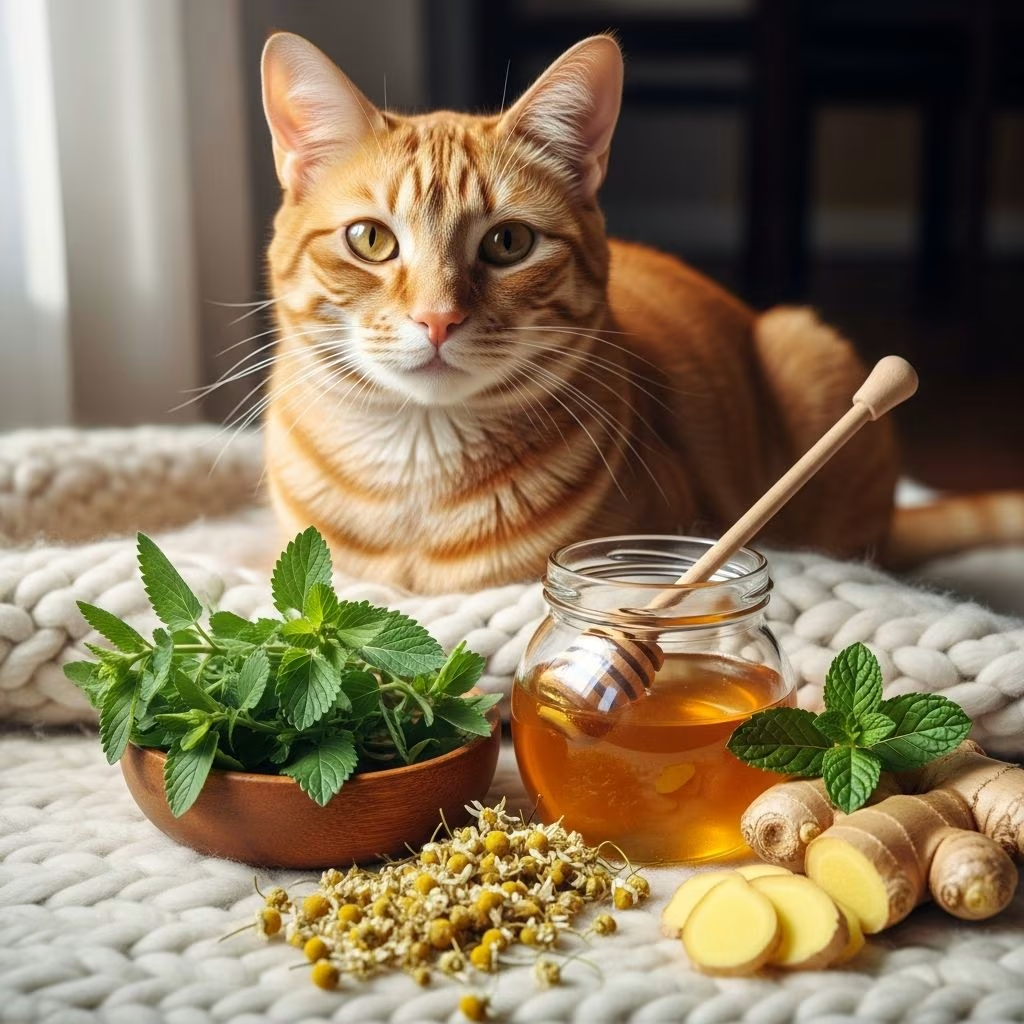
Cat vomiting is a common issue that can stem from minor digestive upset, hairballs, or dietary indiscretions. While occasional episodes often resolve with simple home care, understanding the causes and safe interventions is key to your pet’s comfort. This guide outlines effective natural strategies drawn from veterinary insights, focusing on hydration, diet, and gentle aids to help your cat recover quickly.
Understanding Why Cats Vomit
Cats vomit for various reasons, ranging from benign to serious. Eating too fast leads to regurgitation, while hairballs cause stomach irritation from ingested fur. Bile buildup on an empty stomach produces yellow or orange vomit, signaling mild gastritis. Stress, rapid diet changes, or spoiled food can also trigger episodes. Distinguishing vomiting from regurgitation—where undigested food is expelled—is crucial, as the former involves active retching and more processed contents.
Monitor frequency and appearance: single incidents of foamy white or food-like material usually indicate minor issues, but repeated bouts warrant attention. Factors like age, breed, and overall health influence susceptibility—kittens and seniors are more vulnerable due to immature or weakened systems.
Initial Steps: Fasting and Rest for the Stomach
The first line of defense for mild vomiting is a short fast to allow the gastrointestinal tract to reset. Withhold food for 6-12 hours in adult cats, extending to 24 hours if needed, but never skip water. This rest period calms inflammation and prevents further irritation.
- Observe your cat closely during fasting; ensure they remain alert and interested in surroundings.
- Avoid fasting kittens under 6 months or cats with chronic conditions, as they risk low blood sugar.
- Post-fast, introduce tiny portions of bland food every few hours to test tolerance.
This approach succeeds in most acute cases, with many cats showing improvement within hours.
Ensuring Proper Hydration During Recovery
Dehydration exacerbates vomiting, so prioritize fluid intake. Offer fresh water constantly, but in small amounts if gulping triggers regurgitation. Enhance appeal with pet-safe additives like low-sodium tuna water (from water-packed cans only, no oil).
Electrolyte solutions formulated for pets can replenish lost salts, especially after multiple episodes. Monitor gum moisture and skin elasticity—pinch the scruff; slow return to normal signals dehydration needing vet intervention.
| Hydration Check | Normal Sign | Warning Sign |
|---|---|---|
| Gums | Moist, pink | Dry, sticky, pale |
| Skin Pinch | Snaps back quickly | Slow rebound |
| Urination | Regular, clear | Infrequent, dark |
Gentle Dietary Adjustments for Soothing the Tummy
Reintroduce food gradually with bland, digestible options. Boiled skinless chicken breast or plain rice provides low-fat nutrition without overwhelming the gut. Start with teaspoon-sized meals, spacing them 3-4 hours apart, then mix with regular kibble over days.
Switch to sensitive-stomach formulas long-term, featuring novel proteins or hydrolyzed ingredients to minimize allergies. Slow-feeder bowls curb gulping, reducing intake speed by up to 50%.
- Favor wet food for added moisture, aiding hair passage and digestion.
- Avoid dairy, fatty scraps, or human spices, which irritate feline systems.
- Portion control prevents overeating; free-feeding suits active cats less.
Herbal Supports: Ginger and Slippery Elm
Natural herbs offer anti-nausea benefits backed by studies. Ginger tea, made by simmering 1/4 teaspoon fresh chopped ginger in a cup of water for 15-20 minutes, cools stomach upset. Cool and offer 1-2 ml via syringe, up to three times daily.
Slippery elm bark powder coats the digestive tract, reducing inflammation. Mix 100 mg in water four times daily or use one 400 mg capsule split across feedings. Its mucilage soothes IBD-related vomiting effectively.
Catnip, from the mint family, relaxes nerves and eases mild nausea via nepetalactone. Sprinkle a pinch on bedding or toys for calming distraction.
Tackling Hairballs and Preventive Grooming
Hairballs cause 20-30% of vomiting cases, particularly in longhairs. Regular brushing removes loose fur, while fiber supplements like pumpkin puree (1/4 tsp daily) lubricate passage.
Incorporate hairball treats or diets with psyllium husk. Wet food increases hydration, softening hair for easier expulsion. Weekly grooming sessions halve ingestion rates.
Probiotics and Stress Reduction Techniques
Gut flora imbalance contributes to chronic vomiting. Pet probiotics like FortiFlora restore beneficial bacteria, improving digestion within days.
Stress triggers via cortisol spikes; maintain routines, provide hiding spots, and use pheromone diffusers. Feliway mimics calming scents, reducing episodes in anxious cats.
Recognizing When to Contact a Veterinarian
Home remedies suit isolated incidents, but seek professional help for:
- Vomiting over 24-48 hours or multiple times daily.
- Blood, coffee grounds appearance, or green tint.
- Lethargy, diarrhea, weight loss, or appetite refusal.
- Kittens, seniors, or diabetics.
Persistent cases may signal IBD, kidney disease, or parasites requiring diagnostics like bloodwork or ultrasound.
Long-Term Prevention Strategies
Proactive care minimizes recurrence:
- Annual wellness exams detect issues early.
- Gradual food transitions over 7-10 days.
- High-quality, AAFCO-approved diets matched to life stage.
- Environmental enrichment reduces stress-induced vomiting.
Track episodes in a journal noting food, behavior, and vomit traits for vet discussions.
Frequently Asked Questions (FAQs)
Can I give my cat Pepto-Bismol for vomiting?
No, it risks salicylate toxicity in cats. Stick to vet-approved options.
How long is safe to fast a vomiting cat?
12-24 hours for adults; shorter for young or ill cats. Always provide water.
Is white foam vomit dangerous?
Often hairballs or gastritis, but repeated foam needs vet evaluation.
What if home remedies fail?
Visit a vet promptly to rule out serious conditions.
Does wet food help prevent vomiting?
Yes, its moisture aids digestion and hairball control.
References
- What to Give Cats for Vomiting | PrettyLitter — PrettyLitter. 2023. https://www.prettylitter.com/blog/home-remedies-for-cat-vomiting
- Cat Throwing Up? 3 Fast Acting Home Remedies – YouTube — Veterinary Secrets. 2023-10-15. https://www.youtube.com/watch?v=NAoddKkdsQM
- Home Remedies for Mild Vomiting in Cats: Safe Ways to Help — Southern Arizona Veterinary Specialty. 2024-05-20. https://southernazvets.com/home-remedies-for-mild-vomiting-in-cats-safe-ways-to-help/
- Why Is My Cat Throwing Up And What Can I Do To Help? — Pawlicy Advisor. 2024. https://www.pawlicy.com/blog/why-is-my-cat-throwing-up/
- Cat throwing up white foam | Home remedies & when to … — Honnas Vet. 2024-02-10. https://honnasvet.com/cat-throwing-up-white-foam/
- Cat Vomiting: 10 Causes and How to Help — Veteris. 2023-11-05. https://veteris.co.uk/petcare-advice/cat-vomiting-ten-causes-and-how-to-help



