
Natural Remedies for Dog Wound Care
Discover safe, plant-based antiseptics and home remedies to clean, soothe, and heal your dog's minor injuries without harsh chemicals.
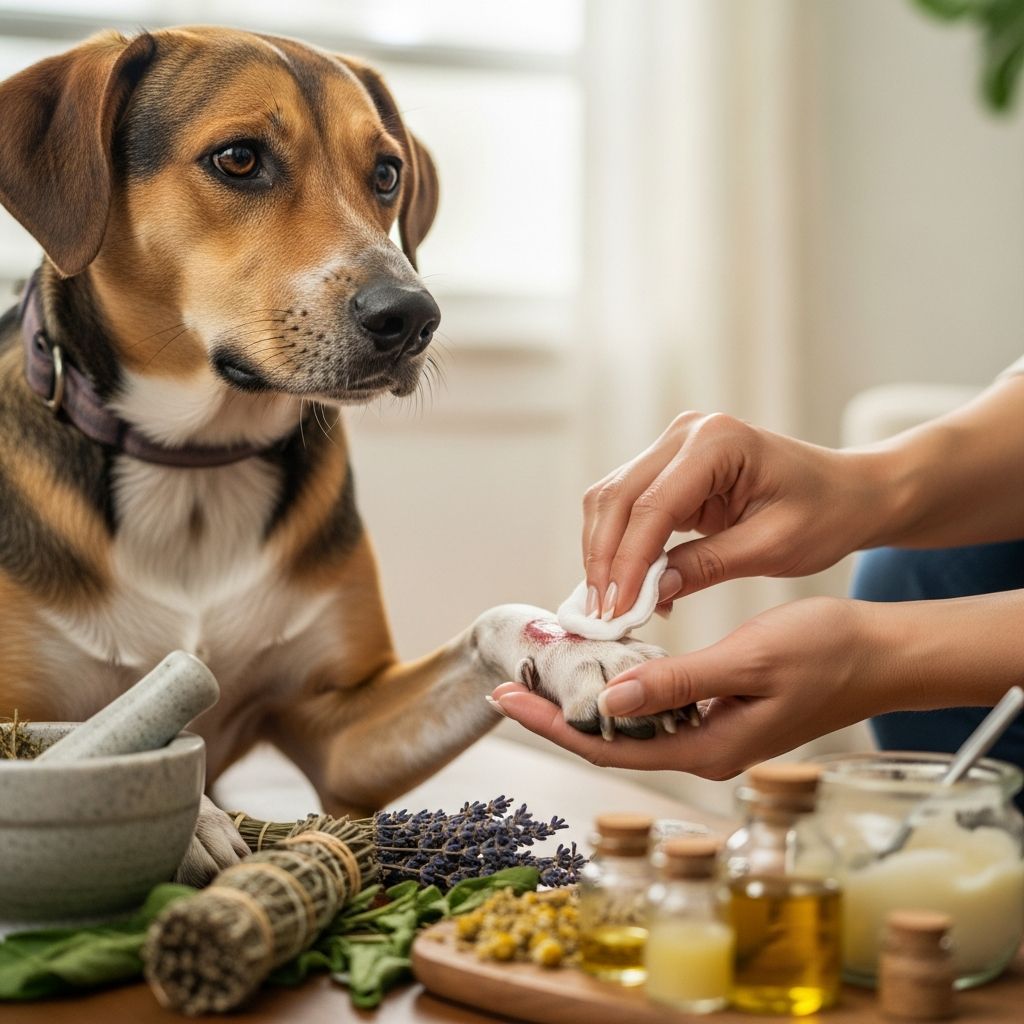
Dogs often sustain minor cuts, scrapes, or abrasions during play or exploration. While veterinary care is essential for serious injuries, many everyday wounds can benefit from gentle, natural antiseptics that promote healing and prevent infection. These remedies harness the power of plants, minerals, and natural compounds to clean wounds, reduce inflammation, and support tissue repair without the risks associated with chemical disinfectants.
Understanding Dog Wound Basics
Before applying any treatment, assess the injury. Superficial wounds like small cuts or hot spots respond well to home care, but deeper punctures, excessive bleeding, or signs of infection—such as pus, swelling, or fever—require immediate professional attention. Proper wound management involves three steps: cleaning to remove debris, applying an antiseptic to fight bacteria, and protecting to aid recovery. Natural options excel here by providing moisture, antimicrobial action, and soothing effects that align with a dog’s healing biology.
Cleaning prevents bacterial buildup, which thrives in warm, moist environments like a dog’s skin. Natural antiseptics work by drawing out moisture from pathogens via osmosis, neutralizing microbes, or forming protective barriers, all while nourishing regenerating cells.
Essential Cleaning Techniques with Natural Solutions
Start every treatment with thorough cleaning. Plain water flushes dirt effectively, but enhanced rinses amplify results.
- Saltwater Rinse: Dissolve unrefined sea salt in warm water. The minerals like calcium and magnesium reduce inflammation while salt dehydrates bacteria. Soak a cloth and gently wipe the area.
- Herbal Tea Rinses: Brew strong teas from chamomile, calendula, green tea, or lavender using 2 teaspoons dried herbs per cup of boiling water. Cool, strain, and apply multiple times daily to calm irritation and inhibit pathogens.
- Vinegar Solutions: Dilute white distilled or apple cider vinegar 1:1 with water. Its antimicrobial properties disinfect without stinging when used properly. Rinse after 30 minutes if full-strength.
These methods are simple, cost-effective, and safe for most dogs. Always pat dry gently afterward to avoid further trauma.
Top Natural Antiseptics for Healing
Several plant-derived substances stand out for their proven efficacy in wound care.
Honey: Nature’s Antibiotic Ointment
Medical-grade or raw Manuka honey tops the list due to its high methylglyoxal content, which kills bacteria while maintaining a moist healing environment. Apply a thin layer to clean wounds twice daily. It draws out impurities, reduces pain, and speeds new tissue growth without damaging healthy cells. Studies confirm honey clears infections faster than traditional dressings.
| Benefit | How It Works |
|---|---|
| Antibacterial | Osmotic effect pulls fluid from bacteria |
| Anti-inflammatory | Reduces swelling and odor |
| Moisturizing | Prevents scab formation, promotes regeneration |
Aloe Vera: Soothing Healer
Pure aloe vera gel cools inflamed skin and accelerates repair with its polysaccharides. Mix with carrier oils or use standalone for burns and abrasions. Ensure it’s 100% natural without additives, as it hydrates and fights microbes gently.
Coconut Oil: Protective Barrier
The lauric acid in virgin coconut oil combats bacteria, fungi, and viruses. Warm it to liquid form and apply sparingly to unreachable areas. It moisturizes cracked skin but may attract licking, so use an e-collar if needed.
Herbal Powerhouses for Advanced Care
Herbs offer targeted benefits when combined creatively.
- Calendula: Known as marigold, this flower’s extracts reduce infection risk and promote granulation in deeper wounds. Use gels or ointments post-cleaning.
- Comfrey (Symphytum): Stimulates cell growth for gashes. Blend with calendula for synergy, applying after hydrotherapy sessions.
- Dragon’s Blood Resin: Forms a natural bandage, stopping bleeding and regenerating tissue. Spray forms are ideal for active dogs.
- Matico: Anti-inflammatory buddlejoside soothes hot spots and scrapes.
Custom Blends for Everyday Use
Create your own treatments for versatility. Combine 1 part aloe vera juice with 3 parts witch hazel and 2 drops lavender oil in a spray bottle. Shake and dab on with cotton—this astringent mix deters licking and fights inflammation thanks to tannins.
For an herbal vinegar tonic, infuse rosemary, sage, or rose petals in vinegar for a multi-purpose disinfectant.
Aromatherapy and Essential Oils Safely
Diluted essential oils provide potent disinfection. Lavender excels for its calming, antibacterial qualities. Blend 20 drops into 2 tablespoons aloe gel and apply sparingly. Always dilute to avoid irritation, and test on a small area first.
Chamomile oil rinses further reduce redness, making them perfect for paw pads or ears.
Step-by-Step Application Guide
- Assess and Restrain: Muzzle if necessary; calm your dog.
- Clean: Flush with saline or tea rinse for 5 minutes.
- Dry: Pat with sterile gauze.
- Apply Antiseptic: Use honey, oil, or gel thinly.
- Protect: Bandage lightly or use a cone.
- Monitor: Check twice daily; reapply as needed.
For best results, maintain moisture—dry wounds heal slower.
Precautions and When to Call the Vet
Natural remedies suit minor issues only. Avoid if your dog has allergies or the wound shows systemic signs like lethargy. Never use on eyes, mouth, or deep punctures without guidance. Essential oils require extreme caution around cats or puppies.
Signs needing a vet: worsening redness, discharge, limping, or no improvement in 48 hours. Combine with professional advice for optimal outcomes.
Building a Natural Pet First Aid Kit
| Item | Purpose | Storage Tip |
|---|---|---|
| Manuka Honey | Ointment base | Cool, dark place |
| Aloe Vera Gel | Carrier/soother | Refrigerate |
| Herbal Teas | Rinses | Dry herbs in jar |
| Coconut Oil | Moisturizer | Warm water bath |
| Witch Hazel | Astringent | Alcohol-free bottle |
Stock these for quick response, saving trips and reducing stress.
FAQs
Can I use hydrogen peroxide on dog wounds?
No— it damages healthy tissue and delays healing. Stick to natural rinses.
How often should I reapply honey?
Twice daily or after licking; cover if possible.
Is coconut oil safe if my dog licks it?
In small amounts, yes, but prevent excess ingestion.
What if the wound is on the paw?
Soak in herbal tea, dry thoroughly, apply gel, and use a bootie.
Are these remedies vet-approved?
Many are, but consult for your dog’s specifics.
Integrating natural antiseptics empowers responsible pet ownership, fostering faster recoveries through gentle, biology-supporting care.
References
- Natural Antiseptic for Pets: Alternatives to Harsh Chemicals — Kawell USA. 2023. https://kawellusa.com/blogs/blog/natural-antiseptic-for-pets-alternatives-to-harsh-chemicals
- Treating Dog Wounds Naturally: Safe and Unsafe Methods — Sustainable Vet. 2024. https://www.sustainablevet.org/blog/treating-dog-wounds-naturally-safe-and-unsafe
- Natural Antiseptics for Dog Wounds — Whole Dog Journal. 2023. https://www.whole-dog-journal.com/health/natural-antiseptics-for-dog-wounds/
- Treating Dog Wounds Naturally At Home: Full Guide — The Natural Dog Store. 2024. https://thenaturaldogstore.com/blogs/health/treating-dog-wounds-naturally
- Your Dog Will Thank You For These Natural Healing Wonders — Animal Wellness Magazine. 2023. https://animalwellnessmagazine.com/your-dog-will-thank-you-for-these-natural-healing-wonders/
- Natural Antiseptic for Dog Wounds — Pet Natural Remedy. 2024. https://www.petnaturalremedy.com/blogs/read-our-blogs/topical-remedies-for-cleaning-dog-wounds-1
- Dog Wound Care: How to Clean Treat Dog Wounds at Home — PetMD (Veterinary Source). 2025. https://www.petmd.com/dog/general-health/dog-wound-care-how-to-clean-treat-dog-wounds-at-home
Similar Articles








Read full bio of medha deb




