

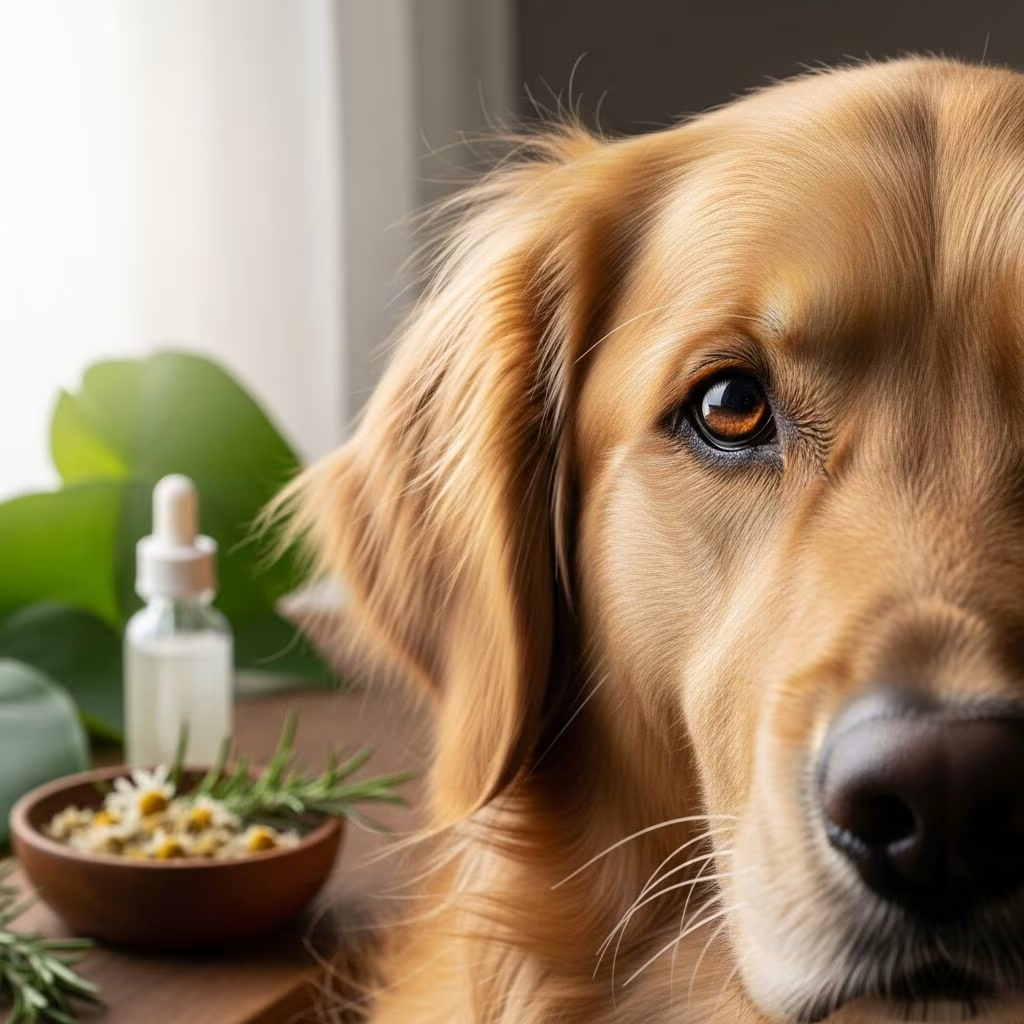
Dog eye infections, often manifesting as conjunctivitis or other irritations, affect many pets and can stem from bacteria, allergies, or environmental factors. While veterinary intervention is essential for severe cases, certain home remedies can provide gentle relief for mild symptoms, helping to clean and soothe the eyes until professional care is available.
Understanding Common Eye Problems in Dogs
Canine eye conditions like conjunctivitis involve inflammation of the tissues surrounding the eye. These issues lead to discomfort and require prompt attention to prevent complications such as corneal damage. Bacterial infections are frequent culprits, but allergies, dry eye (keratoconjunctivitis sicca or KCS), foreign objects, or blocked tear ducts also contribute.
Symptoms typically include redness around the eye or sclera, swelling of the eyelids, and various types of discharge—ranging from clear and watery to thick, yellow, or green pus-like material. Affected dogs often squint, blink excessively, paw at the eye, or show light sensitivity, signaling pain or irritation.
- Redness and swelling: Indicates inflammation, common in bacterial or allergic cases.
- Discharge variations: Watery for allergies or viruses; colored for bacteria.
- Behavioral signs: Rubbing, squinting, or keeping the eye closed.
Primary Causes Behind Eye Irritations
Bacterial overgrowth is a leading cause, thriving in moist environments and spreading via contact. Allergies trigger immune responses, causing itching and secondary infections. Dry eye reduces tear production, leading to exposure and irritation, while anatomical issues like inward-rolling eyelids (entropion) or cherry eye expose tissues to trauma.
Environmental irritants such as dust, pollen, smoke, or chemicals exacerbate problems. Trauma from scratches or foreign bodies like grass seeds introduces pathogens. Viral infections, though less common, can mimic bacterial ones.
| Cause | Common Symptoms | Risk Factors |
|---|---|---|
| Bacterial | Yellow/green discharge, redness | Poor hygiene, contact with infected dogs |
| Allergic | Watery eyes, itching | Seasonal pollen, dust mites |
| Dry Eye (KCS) | Mucoid discharge, dull cornea | Autoimmune issues, certain breeds |
| Trauma/Foreign Body | Sudden squinting, pawing | Outdoor activities, rough play |
Safe Home Approaches for Mild Relief
For minor irritations without severe symptoms, gentle cleaning supports healing. Always use sterile or boiled-and-cooled solutions to avoid worsening the issue. These methods flush debris and reduce bacterial load but do not replace vet-prescribed treatments.
Warm Saline Solution Rinse: Mix 1 teaspoon of non-iodized salt in one cup of warm water. Use a clean cotton ball or soft cloth to gently wipe from inner to outer eye corner, once or twice daily. This mimics natural tears, removing discharge without harsh chemicals.
Chamomile Tea Compress: Brew weak chamomile tea, cool it completely, and apply with a soft cloth for 5 minutes. Chamomile’s anti-inflammatory properties may calm redness, but test for allergies first. (Note: Derived from general soothing practices; consult vet.)
Honey Dilution (Manuka preferred): Dilute 1 part raw honey in 10 parts boiled water. A drop or two can offer antibacterial benefits due to honey’s natural enzymes, but use sparingly and only on intact eyes. Avoid if ulcer suspected.
- Prevent self-trauma with a soft cone or sock barrier.
- Keep surroundings dust-free and humidify dry air.
- Avoid human eye drops; they may contain unsafe preservatives.
Recognizing When Veterinary Help is Critical
Home remedies suit very mild cases, but escalate to a vet if symptoms persist beyond 24-48 hours, worsen, or include cloudiness, deep pain, vision changes, or systemic signs like lethargy. Untreated infections risk ulcers, glaucoma, or vision loss.
Vets perform exams with fluorescein staining to detect ulcers, measure tear production (Schirmer test), and culture discharge. Treatments target causes: antibiotic ointments like Neo-Poly-Dex for bacteria; cyclosporine for KCS; antihistamines or steroids for allergies; surgery for structural defects.
Professional Treatment Options Explained
Topical Medications: Antibiotic-steroid combos reduce infection and swelling. For ulcers, steroid-free options like Terramycin prevent delayed healing.
Oral Support: Antibiotics (e.g., Clavamox) for resistant cases; NSAIDs like meloxicam for pain.
Specialized Therapies: Artificial tears lubricate; tacrolimus stimulates tears in KCS. Atropine or dorzolamide manages uveitis or glaucoma.
Post-treatment, E-collars prevent rubbing, ensuring recovery in 7-14 days typically.
Preventive Strategies for Healthy Eyes
Regular grooming clears debris from long-haired breeds. Flush eyes after outdoor play with saline. Annual vet eye checks catch issues early, especially in brachycephalic breeds prone to problems.
Maintain hygiene: Wash bedding weekly, avoid irritants like smoke. Balanced diets with omega-3s support tear production. Monitor for breed-specific risks like Pugs’ shallow sockets.
Frequently Asked Questions (FAQs)
Can I use human eye drops on my dog?
No, they lack canine-specific formulations and may harm.
How long do home remedies take to work?
Mild relief in hours, but full resolution needs vet care if no improvement in 1-2 days.
Is green discharge always bacterial?
Often yes, but confirm with vet to rule out other issues.
What breeds are most susceptible?
Brachycephalics like Bulldogs, Shih Tzus; also Cocker Spaniels for entropion.
Can allergies cause chronic eye problems?
Yes, leading to secondary infections without allergen management.
Long-Term Eye Health Management
Chronic cases like KCS require lifelong meds. Track symptoms in a journal for vet visits. Early detection via routine exams preserves vision. Combine home vigilance with pro care for best outcomes.
(Word count: 1678)
References
- Dog Eye Infection: Causes, Symptoms, and Treatment — ToeGrips. 2023. https://toegrips.com/dog-eye-infection/
- Conjunctivitis in Dogs: Symptoms and Treatment — PetMD. 2024. https://www.petmd.com/dog/condition/eyes/conjunctivitis-in-dogs
- Dog Eye Infection — Willow Glen Pet Hospital. 2023. https://willowglenpethospital.com/dog-eye-infection/
- Dog Eye Infections: Symptoms, Causes, and Treatment — AKC.org. 2024. https://www.akc.org/expert-advice/health/dog-eye-infections/
- Conjunctivitis in Dogs — Blue Cross. 2023. https://www.bluecross.org.uk/advice/dog/health-and-injuries/conjunctivitis-in-dogs
- Dog Eye Infection – Causes & Treatments — VSCOT. 2021-05-17. https://www.vscot.com/site/blog/2021/05/17/dog-eye-infection



