

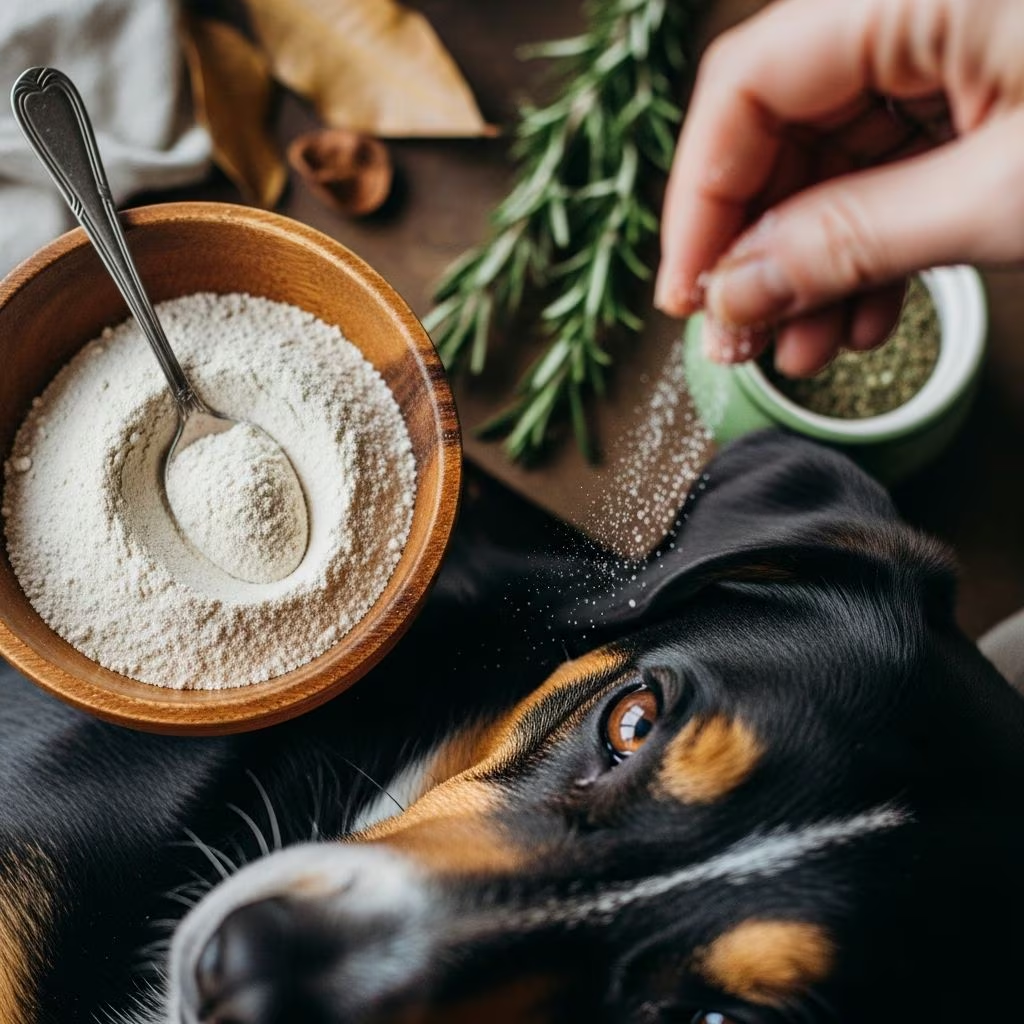
Pet owners seeking chemical-free alternatives to conventional parasite treatments have increasingly turned to diatomaceous earth as a natural solution. This mineral-based substance offers a non-toxic approach to managing both intestinal worms and external parasites in dogs and cats. Understanding how to properly use this product ensures both effectiveness and safety for your beloved companions.
Understanding the Science Behind Diatomaceous Earth
Diatomaceous earth consists of the fossilized remains of microscopic algae-like organisms called diatoms. When examined under a microscope, the particles possess microscopically sharp edges that are harmless to mammals but devastating to parasites and insects. These fine particles work through a physical mechanism rather than chemical toxicity, making them fundamentally different from synthetic parasite treatments.
The effectiveness of diatomaceous earth lies in its ability to damage the exoskeletons of parasites through abrasive contact. For internal parasites, when ingested, the particles physically break down protective barriers of worms as they pass through the digestive system. For external pests, the substance absorbs oils and fats from insect exoskeletons, causing dehydration and death. This dual-action mechanism has made it a trusted remedy for decades without requiring harsh chemical formulations.
Critical Distinction: Food-Grade vs. Other Forms
Not all diatomaceous earth products are suitable for pets. The distinction between food-grade and non-food-grade varieties is essential for pet safety. Food-grade diatomaceous earth undergoes processing that makes it safe for ingestion, while the varieties used in gardening and pool maintenance can cause serious harm to animals.
When selecting a product, always verify that the label clearly indicates “food-grade” or “OMRI Certified for organic use.” This certification ensures the product meets safety standards for consumption by both animals and humans. Using non-food-grade varieties can damage your pet’s digestive system and respiratory tract, creating unnecessary health risks.
Addressing Internal Parasites in Your Pet
Internal parasites represent a common health concern for many pets, particularly those with outdoor access or young animals. Diatomaceous earth effectively targets multiple types of intestinal worms including:
- Roundworms
- Hookworms
- Whipworms
- Pinworms
- Tapeworms
The parasites are eliminated naturally through the pet’s digestive system without harming beneficial gut flora. This preserves the natural balance of intestinal microorganisms that support digestive health.
Proper Internal Administration Methods
Incorporating diatomaceous earth into your pet’s diet requires consistency and correct measurement. The standard dosage is approximately one-quarter teaspoon per ten pounds of body weight, administered during regular mealtimes. For pets that resist consuming powder directly, several strategies can improve acceptance:
- Sprinkle the powder over regular food
- Mix with a small amount of warm water to create a paste
- Combine with wet food or broth
- Mix with a small treat that your pet enjoys
Consistency proves absolutely critical when treating internal parasites. The minimum recommended treatment duration is thirty consecutive days. This extended timeline ensures that both adult parasites and newly hatching eggs are eliminated. Some parasites cycle through the lungs before returning to the stomach, requiring the full thirty-day course to interrupt the complete life cycle. While some sources suggest visible results within seven days of daily feeding, the full thirty-day commitment maximizes effectiveness and prevents reinfestation from eggs that hatch after initial treatment.
Managing External Parasites and Infestations
External parasites including fleas, ticks, lice, and mites can significantly impact your pet’s comfort and health. Diatomaceous earth offers an effective topical solution that creates a natural barrier against these pests without requiring synthetic chemicals.
Direct Application to Your Pet’s Coat
For treating external parasites directly on your pet, lightly dust the powder throughout their coat, working it into the skin carefully. Focus application on vulnerable areas including:
- The base of the tail
- Belly and underside
- Neck area
- Behind the ears
Avoid applying directly to the eyes, nose, and mouth to prevent respiratory irritation. Allow the powder to remain on the coat for approximately eight hours to maximize effectiveness before gentle bathing. Use a herbal-infused shampoo for washing, and always verify that any herbal products are safe for cats if treating felines.
Following application, apply a rich conditioner after bathing, as diatomaceous earth naturally dries out both the coat and skin. Reapply every few days or after bathing to maintain continuous protection and disrupt flea life cycles.
Treating Your Home Environment
Addressing parasites in your home environment is equally important as treating your pet directly. For comprehensive flea infestation management, dust diatomaceous earth lightly and evenly over all flooring, carpets, bedding, and furniture. The powder can also be applied to outside borders of the house for additional protection.
After allowing the powder to remain undisturbed for three to four days, thoroughly vacuum all surfaces, then mop and wipe down affected areas to remove residual powder. Repeat the application process as needed based on infestation severity. Consistent environmental treatment, combined with direct pet application, creates a comprehensive approach that breaks the flea life cycle and prevents recurrence.
Safety Considerations and Potential Side Effects
While food-grade diatomaceous earth is generally safe for pets and humans, awareness of potential reactions enables prompt response if complications develop. Some pets may experience temporary side effects during treatment, including:
- Mild gastrointestinal upset
- Temporary diarrhea or constipation
- Vomiting
- Loss of appetite
- Skin irritation or redness at application sites
- Hair loss in treated areas
- Itching with discoloration
- Lack of coordination or lethargy
More serious though rare reactions can include seizures, drooling, increased excitability, tremors, or changes in body temperature. If your pet exhibits any concerning symptoms during treatment, discontinue use and consult your veterinarian immediately.
When applying topically, avoid creating dust clouds that could be inhaled by your pet or household members. Additionally, diatomaceous earth should not be used directly on a dog’s fur if it causes skin, eye, or respiratory irritation. Always monitor your pet closely during the initial treatment period to ensure tolerance.
Long-Term Prevention and Regular Use
Beyond treating active infestations, many pet owners incorporate diatomaceous earth into regular wellness routines for ongoing parasite prevention. Regular application creates an environment that naturally repels parasites, making serious infestations increasingly unlikely. Consistent use of diatomaceous earth internally and externally progressively reduces parasite problems over time, supporting overall pet health and vitality.
For indoor cats, regular internal supplementation can be part of their daily wellness routine, while outdoor dogs benefit from both internal and external applications. The mineral-rich composition of diatomaceous earth also supports digestive health and natural detoxification processes beyond its parasite control benefits.
Cost-Effectiveness and Practical Advantages
Diatomaceous earth represents a cost-efficient alternative to conventional spot-on treatments and prescription deworming medications. A single container provides months of treatment for multiple pets, making it an economical choice for multi-pet households. The chemical-free nature of this approach appeals to owners seeking to minimize their pets’ exposure to synthetic compounds.
Storage is straightforward—keep the powder in a dry location in its original sealed container. The product remains effective indefinitely when stored properly, ensuring you always have treatment available when needed.
Complementary Health Approaches
While diatomaceous earth provides effective parasite control, integrating it with other health practices enhances overall pet wellness. Maintain regular veterinary check-ups to monitor your pet’s health status and discuss parasite prevention strategies appropriate for your specific situation. Proper nutrition, regular grooming, and maintaining clean living environments all contribute to reducing parasite exposure.
Some veterinarians may recommend combining diatomaceous earth with conventional preventatives, particularly in severe infestation cases or for high-risk pets. Your veterinarian can advise whether this natural approach meets your pet’s specific needs or if additional interventions are necessary.
Frequently Asked Questions
Can diatomaceous earth be used on both dogs and cats?
Yes, food-grade diatomaceous earth is safe for both dogs and cats. However, always verify that any herbal shampoos or complementary products used with cats are feline-safe, as cats have specific sensitivities to certain substances.
How quickly does diatomaceous earth work?
Visible results for internal parasites may appear within seven days of daily treatment, though the full thirty-day course ensures complete elimination and prevents reinfestation from hatching eggs.
Is diatomaceous earth safe for humans in the home?
Food-grade diatomaceous earth is safe for human handling and consumption, making it a household-friendly option for pet and home treatment.
Can I overdose my pet on diatomaceous earth?
Following recommended dosages based on body weight prevents overdosing. Consult your veterinarian if you’re uncertain about proper dosing for your specific pet.
What should I do if my pet shows adverse reactions?
Discontinue use immediately and contact your veterinarian if your pet experiences concerning symptoms such as severe vomiting, seizures, or difficulty breathing.
Conclusion
Food-grade diatomaceous earth provides pet owners with a natural, non-toxic alternative for managing internal and external parasites in dogs and cats. Its effectiveness stems from physical rather than chemical mechanisms, making it inherently safer for long-term use. Proper selection of food-grade products, consistent application according to guidelines, and realistic expectations about treatment timelines ensure successful parasite control. Whether used as a standalone treatment or integrated into comprehensive pet wellness strategies, diatomaceous earth continues to prove valuable for pet owners seeking chemical-free parasite management solutions.
References
- Diatomaceous Earth for Pets — Woofur. https://www.woofur.ca/blog/6/17/2016-diatomaceous-earth-for-pets
- Dr. Jones’ Diatomaceous Earth Powder for Pets — Veterinary Secrets. https://shop.veterinarysecrets.com/diatomaceous-earth.html
- Wholistic Pet Organics Diatomaceous Earth | Natural Parasite Control — The Organic Dog Shop. https://theorganicdogshop.com/products/wholistic-pet-organics-diatomaceous-earth
- Diatomaceous Earth Product Information — Hare Today. https://hare-today.com/product/other/diatomaceous_earth
- DE – Parasite Control — Elkhart County Feral Cat Coalition. https://www.elkhartferalcats.org/de-parasite-control/
- Can You Use Diatomaceous Earth for Fleas? — PetMD. https://www.petmd.com/general-health/diatomaceous-earth-for-fleas



