

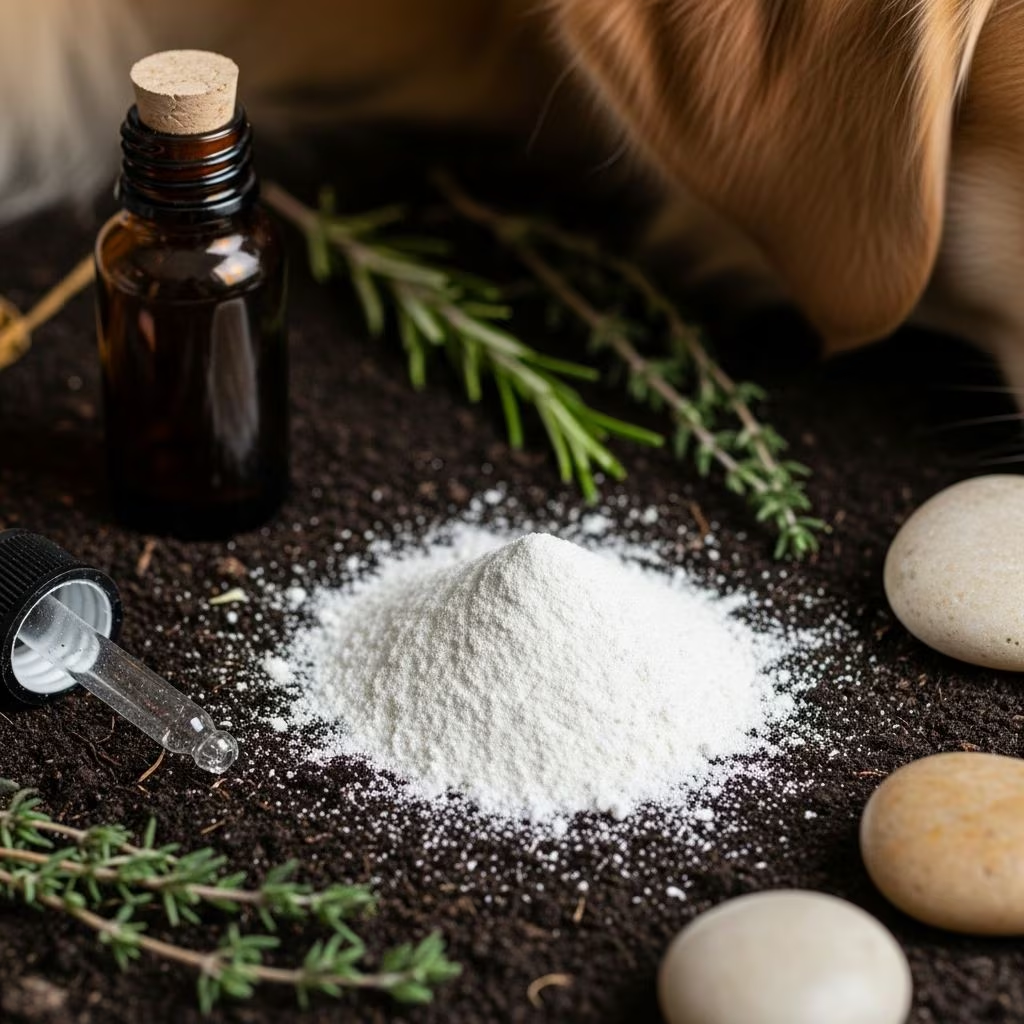
Pet owners increasingly seek alternatives to conventional chemical treatments for protecting their dogs from parasites and maintaining optimal health. One natural substance that has gained significant attention in pet care communities is diatomaceous earth, a fine powder derived from fossilized aquatic organisms. When selected properly and applied correctly, this powdery mineral can become a valuable component of a comprehensive pet wellness strategy.
What Exactly Is Diatomaceous Earth?
Diatomaceous earth consists of the preserved skeletal remains of tiny aquatic creatures called diatoms. These microscopic fossils accumulate over millions of years, forming deposits that are mined and processed into a fine powder. The crucial distinction lies in the type of diatomaceous earth available on the market, as different grades serve vastly different purposes and carry different safety profiles.
Food-grade diatomaceous earth has been processed to meet safety standards for consumption by humans and animals. In contrast, pool-grade and garden-grade variants undergo chemical treatment processes that render them unsuitable for ingestion or direct contact with pets. Understanding this fundamental difference is essential before incorporating this substance into your dog’s health regimen.
How Diatomaceous Earth Works Against Parasites
The mechanism by which diatomaceous earth controls parasites involves its microscopic structure. When examined under magnification, each particle appears sharp and jagged, resembling tiny shards of glass to microscopic organisms. When parasites with soft exoskeletons come into contact with these particles, the protective outer layer becomes compromised, leading to dehydration and death.
This physical action differs fundamentally from chemical pesticides, which operate through toxicological pathways. Because diatomaceous earth works through mechanical means rather than chemical processes, parasites cannot develop resistance to it, making it a sustainable long-term option for pest management.
External Parasite Management Through Topical Application
For addressing surface-dwelling pests, diatomaceous earth can be applied directly to your dog’s coat. The powder effectively targets adult fleas, ticks, lice, and mites that reside on your pet’s skin and fur. To apply this treatment, gently dust the powder throughout your dog’s coat, paying particular attention to areas where parasites congregate, such as around the neck, armpits, and hindquarters.
Beyond your dog’s body, spreading food-grade diatomaceous earth on bedding, carpets, and furniture helps eliminate parasites in the living environment. This comprehensive approach addresses not only the adult parasites on your pet but also their eggs and larvae in the surrounding spaces, breaking the reproduction cycle.
Application tips for external parasite control:
- Apply in a well-ventilated area or outdoors to minimize dust inhalation
- Use a shaker bottle or duster for even distribution
- Reapply every few days for optimal effectiveness
- Focus on pet sleeping areas and favorite resting spots
- Allow the powder to remain for several hours before vacuuming
Internal Parasite Elimination and Digestive Support
When administered orally, food-grade diatomaceous earth targets internal parasites that reside within your dog’s digestive tract. Roundworms, whipworms, pinworms, and hookworms represent common intestinal invaders that compromise canine digestive health and nutrient absorption. Adding diatomaceous earth to your dog’s daily food provides a gentle yet effective means of addressing these internal threats.
The recommended approach involves administering a small quantity of food-grade DE mixed into your dog’s regular meals for a sustained period. Most experts suggest continuing this regimen for at least thirty days to ensure comprehensive parasite elimination. This extended timeline allows the treatment to target newly hatching eggs and interrupt the parasitic lifecycle as worms migrate through different stages of their development within your dog’s body.
It is important to note that while diatomaceous earth effectively addresses intestinal parasites, it does not provide protection against heartworm, a serious parasitic condition transmitted by mosquitoes. Heartworm prevention requires specific veterinary medications prescribed by a licensed practitioner.
The Detoxification Properties of Diatomaceous Earth
Beyond parasite control, diatomaceous earth functions as a natural detoxifying agent within the digestive system. The porous structure of each particle enables it to absorb various unwanted substances as they move through your dog’s gastrointestinal tract. Research suggests that diatomaceous earth may help eliminate heavy metals, harmful bacteria like E. coli, endotoxins, viral particles, pesticide residues, and pharmaceutical metabolites that accumulate in your pet’s body.
This detoxification process occurs primarily within the colon, where the powder helps cleanse the intestinal walls and promotes the elimination of accumulated toxins through normal digestive processes. By supporting this natural elimination pathway, diatomaceous earth may contribute to improved digestive function and overall gastrointestinal health in canines.
Nutritional Enhancement and Mineral Supplementation
Diatomaceous earth contains an impressive array of essential minerals necessary for optimal canine health and vitality. The mineral profile includes magnesium, silicon, calcium, sodium, iron, potassium, copper, zinc, phosphorus, and selenium—all crucial elements in supporting various physiological functions.
When incorporated into your dog’s diet as a nutritional supplement, these minerals may contribute to several health improvements. Pet owners report enhanced energy levels, better sleep quality, and more vibrant skin and coat condition in dogs receiving regular diatomaceous earth supplementation. The silicon content particularly supports collagen formation, which benefits skin elasticity, joint health, and nail integrity.
Minerals found in diatomaceous earth and their functions:
| Mineral | Primary Functions in Dogs |
|---|---|
| Silicon | Collagen formation, bone structure, skin and coat health |
| Calcium | Bone development, muscle function, nervous system support |
| Magnesium | Energy production, muscle relaxation, stress reduction |
| Iron | Oxygen transport, energy metabolism, immune function |
| Zinc | Immune support, wound healing, skin health |
Garden and Environmental Pest Control Benefits
The benefits of food-grade diatomaceous earth extend beyond your dog’s body and into the household environment. Pet owners can utilize this natural substance in gardens and outdoor spaces to manage unwanted insects without exposing their dogs to harmful chemical pesticides. The powder effectively controls ants, caterpillars, armyworms, cockroaches, snails, spiders, termites, earwigs, bed bugs, fruit flies, and various beetle species.
A significant advantage of diatomaceous earth for environmental pest control lies in its selectivity. While lethal to soft-bodied insects, the powder remains harmless to beneficial organisms including earthworms, ladybugs, and other predatory insects that support garden ecosystems. This characteristic allows pet owners to maintain beautiful outdoor spaces while simultaneously protecting their dogs from chemical exposure.
Critical Safety Precautions and Best Practices
Although food-grade diatomaceous earth offers numerous benefits, responsible use requires adherence to specific safety guidelines. The fine powdery texture that makes diatomaceous earth effective against parasites also poses potential risks if not handled carefully.
Essential safety considerations:
- Always select food-grade diatomaceous earth exclusively; never use pool-grade or garden-grade varieties
- Minimize inhalation exposure by applying outdoors or in well-ventilated areas
- Avoid applying directly to your dog’s face to prevent eye and respiratory irritation
- Do not spread diatomaceous earth throughout your home where your dog may roll in it or inhale dust
- Watch for signs of skin dryness and bathe your dog with moisturizing products if needed
- Keep diatomaceous earth away from your dog’s eyes and mucous membranes
The inhalation of diatomaceous earth dust can irritate respiratory tissues in both humans and dogs, potentially causing coughing or respiratory discomfort. For this reason, application should occur in outdoor settings or well-ventilated indoor spaces. If your dog develops dry skin following regular diatomaceous earth applications, implement a bathing routine using hydrating shampoos and conditioners to restore skin moisture.
Veterinary Perspectives on Diatomaceous Earth Use
Veterinary professionals generally acknowledge food-grade diatomaceous earth as a safe and effective natural remedy for managing flea populations and addressing certain parasitic infestations. Many veterinarians recognize the value of this substance as part of a comprehensive, chemical-free pet care approach. However, veterinary guidance may vary regarding specific application methods and treatment duration.
Some veterinarians recommend environmental pest control alternatives such as targeted indoor sprays instead of spreading diatomaceous earth throughout the home. These professionals prioritize preventing unnecessary inhalation exposure by suggesting application limited to outdoor spaces and garden areas. Consulting with your veterinarian about the most appropriate pest management strategy for your individual dog ensures alignment with your pet’s specific health profile and your household situation.
Frequently Asked Questions About Diatomaceous Earth for Dogs
Is it safe if my dog accidentally ingests diatomaceous earth?
If your dog consumes food-grade diatomaceous earth, there is no cause for concern. The substance is non-toxic and safe for ingestion in the quantities typically used. In fact, small amounts ingested during grooming or accidental consumption may actually provide digestive benefits by helping eliminate harmful bacteria and supporting gut health.
Can I use diatomaceous earth around my other pets?
Food-grade diatomaceous earth is safe for use around cats, dogs, rabbits, and other household pets. Apply it in areas where these pets may spend time, such as sleeping areas and play spaces. As with dogs, ensure proper ventilation and avoid creating dusty conditions that could lead to respiratory irritation.
How long does it take for diatomaceous earth to work against parasites?
For external parasites like fleas, diatomaceous earth begins working within days of application. For internal parasites, some improvement may be noticed within a week, but comprehensive elimination typically requires at least thirty days of consistent daily administration to address all life stages of the parasites.
Can diatomaceous earth replace heartworm prevention medication?
No, diatomaceous earth cannot prevent or treat heartworm disease. Heartworm requires specific prescription medications administered by a veterinarian. Diatomaceous earth remains effective only against intestinal parasites and surface-dwelling pests.
What is the proper dosage for internal use?
Dosage recommendations typically range from one-quarter teaspoon to one teaspoon daily, depending on your dog’s size and the specific product. Always consult the product instructions or your veterinarian for precise dosing recommendations tailored to your individual dog.
Integrating Diatomaceous Earth Into Your Dog’s Wellness Routine
Incorporating food-grade diatomaceous earth into your dog’s health maintenance plan offers a natural, cost-effective approach to parasite management and nutritional support. Whether addressing existing infestations or supporting preventive wellness, this natural substance provides multiple benefits without exposing your dog to harsh chemical formulations. By following proper safety protocols and maintaining realistic expectations about its capabilities, diatomaceous earth becomes a valuable tool in promoting your dog’s long-term health and vitality.
References
- Is Diatomaceous Earth Safe For Dogs? How Does It Work? — The Natural Dog Store. 2024. https://thenaturaldogstore.com/blogs/health/is-diatomaceous-earth-safe-for-dogs
- Is diatomaceous earth safe for pets? — Dr. Killigan’s. 2024. https://drkilligans.com/blogs/products/is-diatomaceous-earth-safe-for-pets
- Diatomaceous Earth For Dogs — Whoa Nelly Raw Dog Food. 2024. https://www.whoanelly.com.au/blog/diatomaceous-earth-for-dogs
- Is Diatomaceous Earth Good For Dogs? — YouTube. https://www.youtube.com/watch?v=QBfE5gO2EFs
- Diatomaceous Earth for Fleas in Dogs: Uses, Side Effects, Alternatives — American Kennel Club. https://www.akc.org/expert-advice/health/diatomaceous-earth/



