

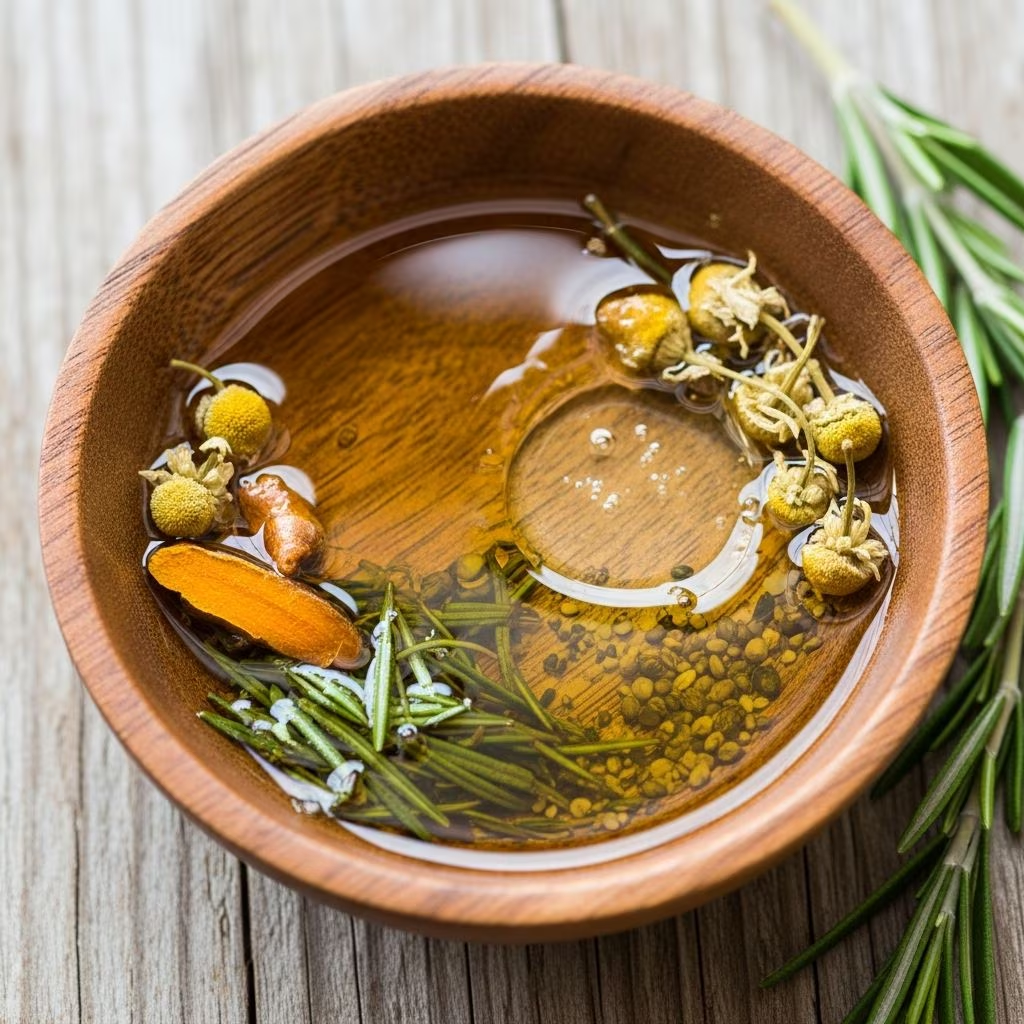
Pet owners increasingly seek natural alternatives to support their dogs’ health and comfort. Among these options, therapeutic oils have emerged as versatile remedies addressing everything from anxiety to skin conditions. When selected carefully and applied appropriately, these oils can complement your dog’s overall wellness routine. This guide explores the most beneficial oils for canine health, how to use them safely, and what science tells us about their effectiveness.
Understanding Oil Therapies for Dogs
Oils function in canine health through two primary categories: carrier oils and essential oils. Carrier oils serve as nutrient-dense supplements that dogs can consume or apply topically, while essential oils offer concentrated plant compounds best used through diffusion, dilution, or professional application. The distinction matters significantly when planning your dog’s therapeutic regimen. Many pet owners confuse these categories, leading to improper usage and potential safety concerns.
The history of oil use in animal care spans centuries, though modern veterinary aromatherapy has only recently gained scientific attention. Dogs process substances differently than humans, requiring specialized knowledge about appropriate oils, concentrations, and delivery methods. Consulting with a veterinarian before introducing any new therapeutic substance ensures compatibility with your dog’s unique health profile and existing medications.
Nutrient-Rich Carrier Oils for Daily Supplementation
Carrier oils provide concentrated nutrition that supports dogs from the inside out. Unlike essential oils, carrier oils are safe for regular internal consumption when properly dosed. They contain vitamins, minerals, and fatty acids that address multiple health concerns simultaneously.
Salmon Oil for Joint and Cognitive Support
Salmon oil ranks among the most researched and recommended supplements for canine health. Rich in omega-3 fatty acids, particularly EPA and DHA, salmon oil decreases inflammation throughout the body and relieves allergic responses. The standard dosage ranges from 1,000 mg per 25 pounds of body weight, with small dogs receiving up to 1,000 mg daily.
Dogs benefit from salmon oil in multiple ways. The omega-3 content maintains glossy, healthy coats while lubricating joints and helping ward off arthritis. For aging dogs, the cognitive benefits prove particularly valuable, as these fatty acids keep the brain functioning sharply. Additionally, salmon oil supports cardiovascular health, maintains strong teeth and nails, and even slows cancer cell growth. Most veterinarians note that salmon oil produces virtually no side effects while delivering substantial health improvements.
Coconut Oil for Internal and External Healing
Coconut oil functions as a multi-purpose therapeutic agent, working both internally and externally. The lauric acid, capric acid, and caprylic acid present in coconut oil provide antimicrobial, antifungal, and antiviral properties. When administered orally, coconut oil aids digestion, fights yeast production, and decreases inflammation.
Applied topically, coconut oil promotes healing of hot spots, bites, and stings while preventing and treating yeast and fungal infections, including candida. The oil disinfects scrapes and cuts, promotes wound healing, and clears warts and moles. Additionally, coconut oil helps overweight dogs lose weight and assists sedentary dogs in feeling more energetic.
Flaxseed Oil for Allergy-Prone Dogs
Flaxseed oil serves as an excellent supplement for allergy-prone dogs and cats. This oil aids arthritic pets’ movement, reduces inflammation, controls blood pressure, alleviates allergies, and supports renal function. The fiber content in flaxseed promotes healthy digestive tract function.
When selecting flaxseed for your dog, choose ground flaxseed over whole seeds, as whole flaxseed does not absorb well in the canine digestive system. Dosages vary based on your dog’s weight and size, so consultation with your veterinarian ensures appropriate supplementation.
Fish Oil for Omega-3 Support
Fish oil contains two important fatty acids—EPA and DHA—that specifically target inflammation caused by allergies in canines. This results in reduced itchy skin, dandruff, and hot spots. Fish oil also assists with arthritis and allergies while boosting your dog’s memory. The vitamins in fish oil help dogs’ fur become healthier and shinier, making it particularly valuable for dogs experiencing coat issues.
Essential Oils: Potent Plant Compounds for Targeted Support
Essential oils concentrate the therapeutic properties of plants into powerful remedies. These oils require careful handling, appropriate dilution, and professional guidance before use with dogs. While more potent than carrier oils, essential oils demand respect for proper dosing and application methods.
Calming and Anxiety-Relief Oils
Lavender oil stands as the most frequently used essential oil in pet aromatherapy products. This gentle, antibacterial oil acts as a central nervous system sedative, making it exceptionally relaxing for anxious dogs. Lavender soothes skin irritation, relieves anxiety during stressful situations like thunderstorms or separation anxiety, and stimulates rapid healing. The oil’s antipruritic (anti-itch) properties and deodorizing effects make it valuable for multiple canine concerns.
Chamomile oil similarly calms nervousness and hyperactivity. Similar to lavender, chamomile has calming effects and aids in reducing anxiety while promoting restful sleep. German chamomile provides skin-soothing anti-inflammatory benefits, particularly for burns, allergic reactions, and skin irritations.
Cedarwood oil combines multiple benefits in a single application. Known for repelling insects and alleviating anxiety, cedarwood improves circulation and helps deter fleas. The oil’s grounding effect promotes relaxation and emotional balance.
Skin and Wound Healing Oils
Frankincense oil demonstrates powerful anti-inflammatory properties that help with pain relief and promote tranquility. This oil boosts immune health and speeds wound healing, making it valuable for dogs recovering from injuries or skin conditions.
Helichrysum oil, though notably pungent in smell, proves incredibly effective for skin healing. Also called Immortelle or Everlasting, helichrysum heals various skin conditions, cuts, abrasions, wounds, and injuries while relieving pain.
Carrot seed oil provides super-gentle skincare benefits, excelling at first aid, healing, scarring prevention, and addressing various skin conditions.
Myrrh oil helps with skin irritations and serves as a great cleanser, offering additional support for maintaining healthy canine skin.
Digestive and Respiratory Support Oils
Ginger oil settles stomachs and helps with breathing, proving useful in massage oils for sprains, strains, dysplasia, and arthritis. The fresh, warm, spicy aroma should smell pleasant without mustiness or rancid notes. Ginger addresses motion sickness and indigestion while supporting joint health.
Peppermint oil freshens breath and soothes digestive issues. It helps with allergies, soothes pain, and relieves nausea and digestive problems.
Additional Therapeutic Oils
Copaiba oil provides pain relief, reduces inflammation, and addresses joint discomfort and arthritis. Bergamot oil appears in the list of safer essential oils for canine use, while Rosemary oil also falls into this category. Clary sage has calming properties and can help reduce anxiety and stress in dogs, proving particularly useful during car rides or veterinary visits.
Essential Guidelines for Safe Oil Application
Proper administration ensures maximum benefits while minimizing risks. Different oils require different delivery methods, and individual dogs respond uniquely to various preparations.
Internal Administration Through Diet
Adding oils to your dog’s food represents the most straightforward internal administration method. Salmon oil, coconut oil, and fish oil work well when mixed into meals. Always follow recommended dosages based on your dog’s weight and size. Start with smaller amounts to allow your dog’s digestive system to adjust, then gradually increase to full therapeutic doses.
Topical Application for Skin Conditions
Carrier oils like coconut oil can be applied directly to affected skin areas. This direct application promotes healing of hot spots, bites, stings, and various skin conditions. For essential oils, dilution is critical—never apply undiluted essential oils to canine skin. Always consult with an aromatherapy professional regarding appropriate dilution ratios.
Diffusion and Aromatherapy
Diffusing essential oils into your home creates a therapeutic environment for your dog. Ensure proper ventilation and observe your dog’s response carefully. Some dogs respond positively to specific scents, while others may show discomfort. Your dog should have the option to leave the room if the scent becomes overwhelming.
Safety Considerations and Veterinary Consultation
While certain essential oils are considered “safer” than others for dogs, they should still be used sparingly and only after consulting with your veterinarian. Individual variations exist—oils tolerated by one dog may not be as well tolerated by another. Always know the complete ingredient list of any oils you use.
Dogs with existing health conditions, pregnant dogs, puppies, and elderly dogs require extra caution. Some oils may interact with medications or exacerbate certain conditions. A veterinarian familiar with your dog’s complete medical history can provide personalized recommendations.
Comparing Oil Benefits: Quick Reference
| Oil Type | Primary Benefits | Application Method | Best For |
|---|---|---|---|
| Salmon Oil | Omega-3 support, joint health, cognitive function | Oral (with food) | Aging dogs, joint issues, allergies |
| Coconut Oil | Skin healing, digestive support, weight management | Oral or topical | Skin conditions, digestion, hot spots |
| Lavender Essential Oil | Anxiety relief, skin soothing, antibacterial | Diffusion or diluted topical | Anxious dogs, skin irritation |
| Frankincense Essential Oil | Immune boost, pain relief, inflammation reduction | Diluted topical or diffusion | Joint pain, wound healing |
| Ginger Essential Oil | Digestive support, motion sickness relief | Aromatherapy or massage oils | Nausea, arthritis, sprains |
Frequently Asked Questions About Canine Oil Therapy
Can all dogs use the same oils?
No. Individual dogs respond differently to various oils based on age, breed, size, health status, and existing medications. Professional guidance ensures selections match your specific dog’s needs.
How long does it take to see results?
Timeline varies depending on the oil used and the condition being addressed. Some benefits like skin soothing may appear within days, while joint support or cognitive improvements may require weeks or months of consistent use.
Are there oils I should absolutely avoid?
Yes. Always consult your veterinarian about oils to avoid, as some can be toxic to dogs. Never self-prescribe without professional guidance.
Can I combine multiple oils for my dog?
Combining oils requires professional supervision. A certified animal aromatherapist or veterinarian can create custom protocols that safely address multiple health concerns simultaneously.
What’s the difference between therapeutic-grade and regular oils?
Therapeutic-grade oils undergo stricter quality controls and purity testing. For canine use, selecting high-quality oils from reputable sources ensures safety and effectiveness.
Moving Forward With Oil Therapy for Your Dog
Natural oils offer genuine therapeutic potential for canine health when selected and applied appropriately. The journey toward incorporating oils into your dog’s wellness routine begins with education and professional consultation. Your veterinarian can assess your dog’s individual needs, recommend suitable oils, and establish safe dosing protocols.
Start slowly with any new supplement or oil, observing your dog’s response carefully. Keep detailed notes about which oils produce positive results and any adverse reactions. This information helps refine your dog’s personalized wellness plan over time. With proper knowledge and veterinary guidance, natural oils become valuable allies in maintaining your dog’s health, comfort, and vitality throughout every life stage.
References
- Top 10 Essential Oils That Are Safe For Dogs — Four Leaf Rover. Retrieved March 2026. https://fourleafrover.com/blogs/natural-health/essential-oils-that-are-safe-for-dogs
- Aromatherapy for Dogs: Unleashing the Benefits of Essential and Carrier Oils — Naissance. Retrieved March 2026. https://naissance.com/blogs/naissance-blog/aromatherapy-for-dogs-unleashing-the-benefits-of-essential-and-carrier-oils-naissance
- A Guide On The Best Oils For Dogs — PetCubes.com. Retrieved March 2026. https://petcubes.com/blogs/lick-granuloma-dog/best-oils-dogs
- Using Natural Oils for Optimum Dog Health — Gemini Dogs. Retrieved March 2026. https://www.geminidogs.com/blog/bid/186839/Using-Natural-Oils-for-Optimum-Dog-Health
- Guide to Safely Using Essential Oils and Aromatherapy for Pets — Bhatt Veterinary Specialty. Retrieved March 2026. https://www.bhattvetspecialty.com/blog-veterinarian-care/guide-to-safely-using-essential-oils-and-aromatherapy-for-pets
- Are Essential Oils Safe for Dogs? 7 To Use and 12 to Avoid — PetMD. Retrieved March 2026. https://www.petmd.com/dog/general-health/are-essential-oils-safe-for-dogs
- Top 20 Essential Oils for Dogs — Whole Dog Journal. Retrieved March 2026. https://www.whole-dog-journal.com/care/top-20-essential-oils-for-dogs/



