

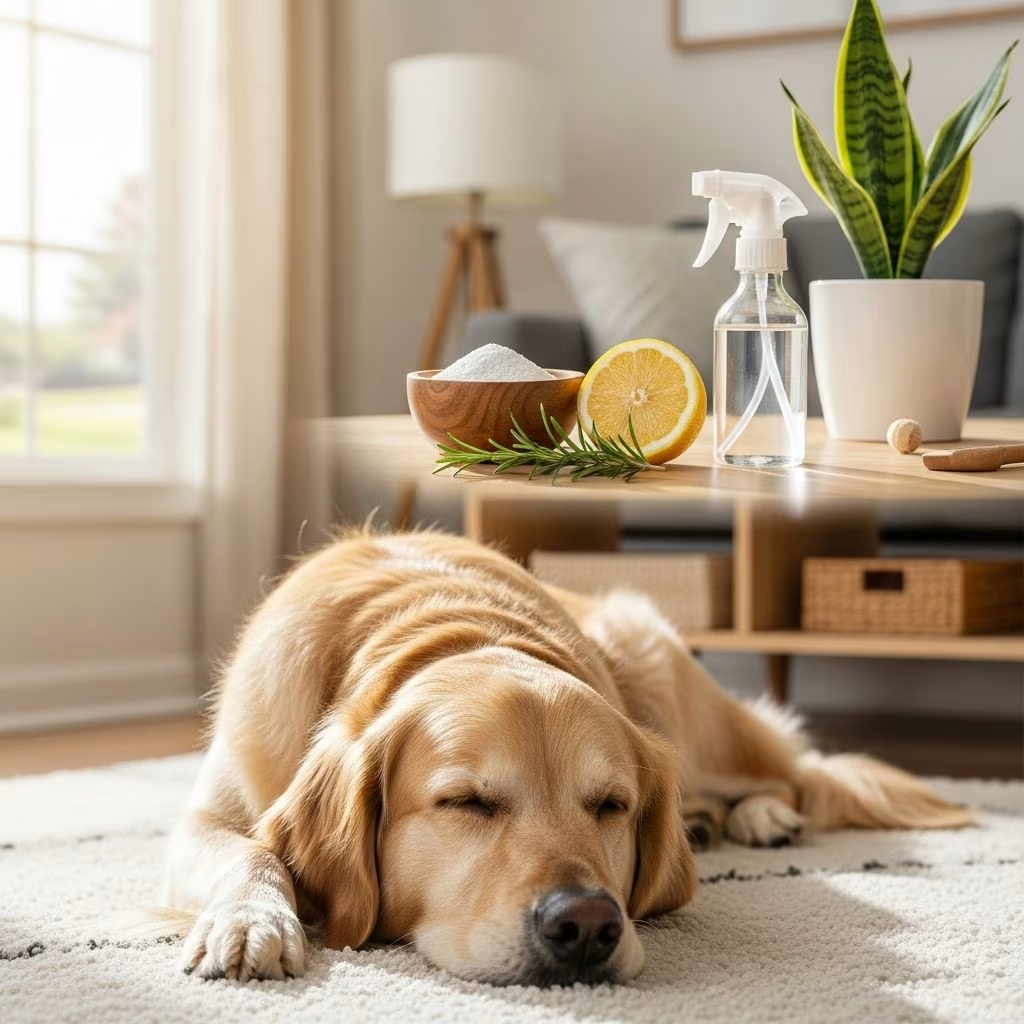
Living with beloved pets brings joy and companionship, but it often comes with an unwelcome challenge: persistent household odors. Pet odors can develop from various sources including accidents, bedding, litter boxes, and general pet dander accumulation. Fortunately, you don’t need to rely on chemical-laden commercial products to maintain a fresh-smelling home. Natural, pet-safe solutions can effectively neutralize odors while keeping your furry companions safe and your living environment healthy.
Understanding the Root Causes of Pet-Related Odors
Before tackling odor elimination, it’s important to understand where pet smells originate. Pet urine contains uric acid, which creates particularly stubborn odors that can linger even after surface cleaning. Additionally, bacteria and microorganisms thrive in areas where pets spend significant time, multiplying and generating unpleasant smells. Pet bedding, litter boxes, and areas where accidents have occurred become breeding grounds for these odor-causing microorganisms. Understanding these sources helps you target your cleaning efforts more effectively and choose appropriate remedies for different situations.
Leveraging Kitchen Staples for Odor Control
Your kitchen contains some of the most effective natural deodorizers available. Two inexpensive household items—baking soda and white vinegar—serve as powerful allies in your fight against pet odors.
Baking Soda: Nature’s Odor Neutralizer
Baking soda functions as a natural odor absorber by chemically neutralizing smells rather than simply masking them. This alkaline powder works exceptionally well on carpets, upholstery, and fabric surfaces where pet odors accumulate.
- For carpeted areas, sprinkle a generous layer of baking soda directly onto the carpet, work it in using a brush or broom, and allow it to sit for several hours or overnight before vacuuming thoroughly.
- On upholstered furniture and pet beds, apply a thin layer, let it rest for a few hours, then vacuum completely to remove all residue.
- Place open boxes of baking soda in rooms where pet odors tend to concentrate, particularly near litter boxes, to continuously absorb ambient odors.
- Mix baking soda with water to create a paste for tackling stubborn odors on hard-to-reach surfaces; allow the paste to dry completely before brushing or vacuuming away.
- For your dog, baking soda works as a dry shampoo—sprinkle it onto your pet’s fur during grooming sessions to absorb body odors before brushing it out.
White Vinegar: The Acidic Odor Fighter
The acidity in white vinegar breaks down odor-causing molecules, making it particularly effective for eliminating urine smells. This versatile ingredient can be applied to numerous surfaces throughout your home.
- Create a cleaning solution by mixing equal parts white vinegar and water in a spray bottle; use this mixture on hard floors, tile, and sealed surfaces.
- For urine accidents, apply the vinegar solution directly to the affected area, allow it to sit for several minutes to penetrate and neutralize the odor, then blot thoroughly with clean cloths.
- When washing pet bedding, blankets, and towels, add one cup of white vinegar to your washing machine to eliminate embedded odors.
- Replace fabric softener and dryer sheets with vinegar added to your washing machine’s fabric softener dispenser for long-lasting odor control throughout all your linens.
- Combine vinegar with water in a spray bottle and mist lightly over upholstered furniture and curtains to freshen these surfaces without soaking them.
Advanced Natural Cleaning Solutions
Enzymatic Cleaners: Breaking Down Organic Matter
Enzymatic cleaners represent a sophisticated approach to odor elimination. These products contain beneficial bacteria and enzymes specifically designed to break down the organic compounds responsible for pet odors. Unlike traditional cleaners that simply mask smells, enzymatic cleaners actually eliminate the source material.
- Select pet-specific enzymatic cleaners from your local pet store, ensuring they’re formulated for your particular pet type.
- Follow product instructions carefully, as these cleaners require time to work effectively—typically 24 to 48 hours for optimal results.
- Apply enzymatic cleaners to carpets, rugs, upholstered furniture, and hard surfaces where pets have had accidents.
- Allow treated areas to dry naturally without additional wiping to ensure the enzymes have sufficient time to break down odor-causing materials.
Specialized Odor Absorption Products
Certain commercial products enhance natural odor control strategies. First Saturday Lime, for example, uses its alkaline properties to neutralize acidic odors from pet waste while remaining safe for pets and plants.
- Apply First Saturday Lime in outdoor areas where your pets frequently urinate, such as dog runs or designated potty zones.
- Use thin layers in litter boxes or at the bottom of outdoor pet enclosures to absorb moisture and control bacterial growth.
- For indoor use on carpets or pet beds, sprinkle lightly, allow several hours of contact, then vacuum thoroughly.
Managing Textile and Bedding Odors
Pet bedding and fabric surfaces accumulate odors quickly and require regular attention. Establishing a consistent washing and maintenance routine prevents odor buildup before it becomes overwhelming.
- Wash dog bed covers and blankets at minimum once weekly in hot water when possible; add white vinegar to boost odor-fighting effectiveness.
- For pet items that cannot withstand machine washing, such as larger dog beds or specialized sleeping surfaces, apply baking soda liberally, allow extended contact time, and then vacuum completely.
- Rotate pet bedding regularly so items can be laundered and dried thoroughly before being returned to use.
- Consider using removable, washable covers on pet furniture to simplify the cleaning process and protect underlying cushions from absorbing pet odors.
Optimizing Your Home’s Air Quality
Addressing odors in the air itself complements surface-level cleaning efforts. Fresh air circulation and air filtration technology work together to maintain a pleasant-smelling home environment.
Natural Air Circulation
Simple ventilation practices significantly reduce pet odors without any cost or equipment investment.
- Open windows regularly to allow fresh outdoor air to replace stale indoor air that carries pet odors.
- Create cross-ventilation by opening windows on opposite sides of your home to encourage maximum air movement.
- During pleasant weather, leave windows open for extended periods to thoroughly freshen your entire living space.
Air Purification Systems
Air purifiers with HEPA filters remove pet dander and odor particles from circulating air. These devices work continuously to improve overall air quality rather than addressing odor sources directly.
- Select air purifiers specifically designed for homes with pets, as these include enhanced filtration for pet-related particles.
- Position purifiers in areas where your pets spend the most time—bedrooms where pets sleep, family rooms, or other high-traffic zones.
- Change filters regularly according to manufacturer recommendations, as clogged filters become less effective at removing odors and pet dander.
Natural Air Freshening
Supplement mechanical ventilation with natural aromatic options to create a pleasantly scented environment.
- Use essential oil diffusers with pet-safe oils such as lavender, cedarwood, and lemongrass to add natural fragrance while maintaining pet safety.
- Simmer pots combining fresh herbs, citrus peels, and water on your stovetop for natural aromatics that freshen your home gently.
- Avoid spraying essential oils directly on pets or allowing them to ingest these concentrated substances, as some oils can be harmful, particularly to cats.
Targeted Solutions for Specific Pet Situations
Handling Extreme Odor Cases
When pets encounter particularly smelly situations—such as skunk encounters or severe accidents—more intensive treatments may be necessary. A specialized mixture can address these challenging scenarios effectively.
- Combine hydrogen peroxide with approximately one-quarter cup of baking soda and one teaspoon of dishwashing liquid to create a powerful deodorizing paste.
- Apply the mixture directly to affected areas or your pet’s coat using gloves to protect your hands and clothing.
- Allow the mixture to work for approximately 20 minutes before rinsing thoroughly with pet shampoo and water.
- Exercise caution with this remedy on pets, as hydrogen peroxide can bleach fur if left too long; monitor the treatment time carefully.
Professional Pet Grooming Support
Regular professional grooming removes accumulated odors at their source by thoroughly cleaning your pet’s coat and skin. Professional groomers use specialized techniques and products designed to eliminate embedded odors that routine home bathing may miss.
Developing a Consistent Maintenance Schedule
The most important factor in long-term odor control is consistency. Establishing a regular maintenance routine prevents odor accumulation rather than requiring intensive remediation efforts periodically.
Daily Practices
- Remove soiled bedding and pet accidents immediately to prevent odor-causing bacteria from establishing themselves.
- Ventilate your home daily by opening windows, even for brief periods, to refresh indoor air.
- Wipe down your pet with pet-safe wipes to remove odor-causing bacteria and yeast from paws, fur, ears, and skin folds.
Weekly Tasks
- Wash all pet bedding, blankets, and any removable furniture covers in hot water with vinegar or odor-eliminating detergent.
- Vacuum carpets and rugs thoroughly, particularly areas where pets spend significant time.
- Refresh litter boxes with clean litter and apply odor-control products as needed.
Monthly Deep Cleaning
- Apply baking soda treatments to all carpeted areas, allowing extended contact time before vacuuming.
- Scrub hard floors with vinegar solution to eliminate accumulated odors.
- Replace air purifier filters if they appear dirty or if air quality seems compromised.
Creating a Personalized Odor Management Plan
Every home and pet situation presents unique challenges. The most effective approach often combines multiple methods tailored to your specific circumstances. Some households may find that First Saturday Lime works exceptionally well in outdoor areas, while baking soda proves most effective on indoor carpets, and vinegar solutions best serve hard surface cleaning. Experimenting with different combinations and adjusting your routine based on results allows you to develop a customized strategy that works optimally for your home, pets, and family.
By implementing these natural solutions consistently, you can maintain a fresh, pleasant-smelling home while keeping your pets safe from harsh chemical exposure. The combination of prevention through regular maintenance, targeted treatment of problem areas, and environmental freshening creates a comprehensive approach to managing pet odors naturally.
References
- The Best Natural Solutions for Pet Odor Control — First Saturday Lime. Accessed January 2026. https://firstsaturdaylime.com/blogs/pets-yards/natural-pet-odor-control
- 5 Dog Odor Remedies That Work — Lucky Dawg Pet Grooming Salon. Accessed January 2026. https://luckydawgsalongrooming.com/5-dog-odor-remedies-work/
- 5 Tips for Removing Pet Odors — Filtrete/3M. Accessed January 2026. https://www.filtrete.com/3M/en_US/filtrete/home-tips/full-story/~/5-tips-to-reduce-pet-odors/
- Natural Ways to Remove Pet Odor Fast With Home Remedies — Tequesta Veterinary Clinic. Accessed January 2026. https://tequestaveterinaryclinic.com/natural-home-remedies-to-remove-pet-odor-fast/
- Smelly Dog? Discover How to Eliminate Pet Odors Naturally — Health Extension. Accessed January 2026. https://www.healthextension.com/blogs/blog/eliminate-pet-odors-naturally
- How to Keep Your House from Smelling Like A Dog — Oh My Dog Blog. Accessed January 2026. https://ohmydogblog.com/2019/04/how-to-keep-your-house-from-smelling-like-dog/



