

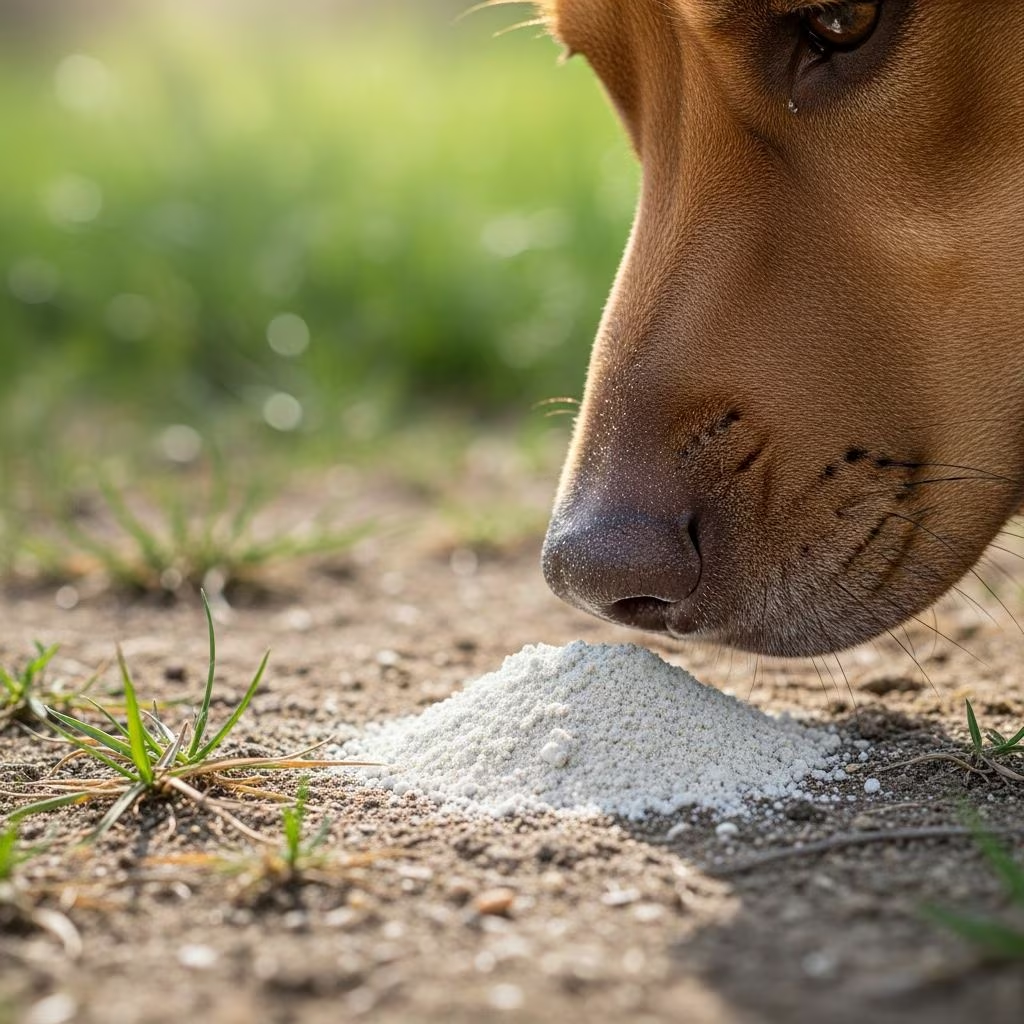
Hookworms pose a serious threat to dogs, causing anemia, weight loss, and digestive issues through blood-feeding in the intestines. While pharmaceutical dewormers like fenbendazole and moxidectin are standard, many pet owners seek natural options such as food-grade diatomaceous earth (DE) for its mechanical action against parasites. This article delves into DE’s potential as a complementary tool, drawing from veterinary guidelines on hookworm management.
Understanding Hookworms: A Hidden Danger for Canines
Hookworms, primarily Ancylostoma caninum and Uncinaria stenocephala, are small nematodes that latch onto a dog’s intestinal walls, siphoning blood and nutrients. Puppies are especially vulnerable due to transmammary transmission from infected mothers, with larvae migrating through tissues and maturing rapidly.
Symptoms often include pale gums indicating anemia, bloody stools (dark tarry appearance), diarrhea, lethargy, poor coat condition, and stunted growth in young dogs. Severe cases may require hospitalization with fluid therapy, iron supplements, or transfusions.
- Bloody or black stools: From intestinal bleeding.
- Anemia signs: Weakness, rapid breathing, collapse.
- Weight loss: Despite normal appetite.
- Skin issues: Larvae can cause dermatitis on paws or belly.
Dogs contract hookworms via ingestion of larvae in contaminated soil, grooming infective feces, or skin penetration. Warm, moist environments accelerate larval development, making yards a common hotspot.
Conventional Veterinary Treatments: The Foundation
Veterinarians recommend anthelmintics as first-line defense. Approved options for dogs include:
| Medication | Examples | Target Stages | Frequency |
|---|---|---|---|
| Fenbendazole | Panacur | Adults, L4 larvae | 3 days, repeat in 2-3 weeks |
| Moxidectin | ProHeart 6/12, Advantage Multi | Larvae, adults | Monthly injection/topical |
| Pyrantel pamoate | Drontal Plus, Heartgard Plus | Adults | Single dose, repeat |
| Multi-combination | Simparica TRIO | Larvae, adults | Monthly chew |
Treatment protocols start at 2 weeks for puppies, repeating at 4, 6, 8 weeks, then monthly preventives. Follow-up fecal exams confirm clearance, as drugs primarily target adults, sparing arrested larvae. For drug-resistant cases, combinations like fenbendazole + pyrantel + moxidectin are used monthly.
Supportive care is crucial: high-protein diets rebuild strength, while environmental cleanup prevents reinfection.
What is Diatomaceous Earth and How Does it Combat Parasites?
Diatomaceous earth is a fine powder from fossilized algae rich in silica. Food-grade DE, safe for ingestion, features microscopic sharp edges that pierce parasite exoskeletons, dehydrating them mechanically without chemical resistance buildup.
Unlike chemical dewormers, DE targets hookworms, roundworms, fleas, and ticks broadly. Its abrasive action shreds worm cuticles, causing fatal fluid loss within hours. Studies on similar parasites show high efficacy when ingested consistently. (Note: While vet sources focus on pharma options, DE’s mechanism aligns with physical parasite disruptors.)
Key benefits for dogs:
- Non-toxic: Silica aids digestion, coat health.
- Resistance-proof: Physical kill method.
- Multi-purpose: Internal/external parasite control.
- Affordable: Long-term yard and diet addition.
Safe Application of Diatomaceous Earth for Hookworm Management
Always select food-grade DE (amorphous silica >90%, no crystalline form to avoid lung risks). Consult a vet before starting, especially for pregnant dogs or those on meds.
Internal Use Protocol
- Dosage: 1 teaspoon per 10 lbs body weight daily, mixed in food for 30 days minimum.
- Puppies: Half dose from 8 weeks; monitor closely.
- Maintenance: 1-2 times weekly post-treatment.
- Hydration boost: Increase water intake to aid dehydration of parasites.
Combine with probiotics to protect gut flora. Improvement in stool and energy appears in 7-14 days.
External and Environmental Use
Sprinkle DE liberally on bedding, kennels, and yard (1 lb per 100 sq ft). Reapply after rain. It kills larvae in soil, breaking the life cycle. Vacuum pet areas thoroughly to remove dead parasites.
Integrating DE with Professional Vet Care
DE excels as adjunct therapy, not replacement. Use post-deworming to target lingering larvae. For example:
- Week 1-3: Vet-prescribed fenbendazole course.
- Ongoing: Daily DE + monthly Simparica TRIO.
Monitor via fecal tests every 2 weeks. Severe anemia cases prioritize transfusions before natural remedies. Pregnant dams benefit from daily fenbendazole (off-label) plus DE maintenance.
Potential Risks and When to Avoid Diatomaceous Earth
DE is GRAS by FDA for food use, but overuse causes constipation. Rare allergies manifest as itching. Contraindications:
- Respiratory issues: Inhalant risk.
- MDR1 mutants: Pair cautiously with certain preventives.
- Obese dogs: Adjust dose precisely.
If symptoms worsen (e.g., vomiting), discontinue and seek vet care. Long-term studies affirm safety at recommended levels.
Prevention Strategies: Beyond Treatment
Proactive steps minimize hookworm risk:
- Monthly preventives from puppyhood.
- Daily fecal removal; sanitize yards weekly.
- Restrict access to contaminated areas like dog parks during shedding.
- Annual fecal screens for all household pets.
- DE yard barrier: Perimeter dusting repels larvae.
Puppies from high-risk areas need 2-week deworming starts.
Real-World Success Stories and Veterinary Perspectives
Owners report 80-90% symptom resolution combining DE with pharma treatments. Vets note DE’s value in organic farming parallels for pets, emphasizing fecal monitoring. One case: A 6-month Lab puppy cleared chronic diarrhea after 45 days of DE + pyrantel, gaining 5 lbs.[7-inspired protocol]
FAQs on Diatomaceous Earth for Dog Hookworms
Is diatomaceous earth safe for daily use in dogs?
Yes, food-grade DE is safe long-term at proper doses, supporting silica needs without toxicity.
How long until I see hookworm improvement?
Typically 1-2 weeks for adults; full clearance needs 4-6 weeks with repeats.
Can DE replace vet dewormers?
No—use as complement. Vets confirm anthelmintics essential for larvae.
Does DE work on all hookworm stages?
Best on adults/larvae via ingestion; less on tissue-arrested forms.
What if my dog hates the taste?
Mix in wet food, yogurt, or broth. Start small to acclimate.
Nutritional Support to Boost Recovery
Pair DE with iron-rich foods (liver, spinach puree), blackstrap molasses (natural iron), and omega-3s for blood rebuilding. High-protein kibble aids hemoglobin restoration post-infection.
References
- Hookworms – Companion Animal Parasite Council — CAPC. 2023. https://capcvet.org/guidelines/hookworms/
- Hookworm in Dogs: Signs, Treatment & Prevention — Animal Hospital of Surprise. 2024-07-15. https://www.ahsvet.com/site/blog/2024/07/15/hookworm-dogs
- Hookworms in Dogs: Symptoms, Treatment, and How To Prevent — PetMD. 2024. https://www.petmd.com/dog/conditions/infectious-parasitic/hookworms-dogs-symptoms-treatment-and-how-prevent-them
- Hookworm in Dogs: Causes, Signs and Treatment Options — CareCredit. 2024. https://www.carecredit.com/well-u/pet-care/hookworm-in-dogs/
- Hookworm in Dogs: Signs, Treatment & Prevention — Downtown Animal Care Center. 2024-04-15. https://www.downtownanimalcarecenter.com/site/blog/2024/04/15/hookworm-dogs
- Hookworm Infection in Dogs — VCA Animal Hospitals. 2024. https://vcahospitals.com/know-your-pet/hookworm-infection-in-dogs
- Hookworms in Small Animals — Merck Veterinary Manual. 2024. https://www.merckvetmanual.com/digestive-system/gastrointestinal-parasites-of-small-animals/hookworms-in-small-animals



