

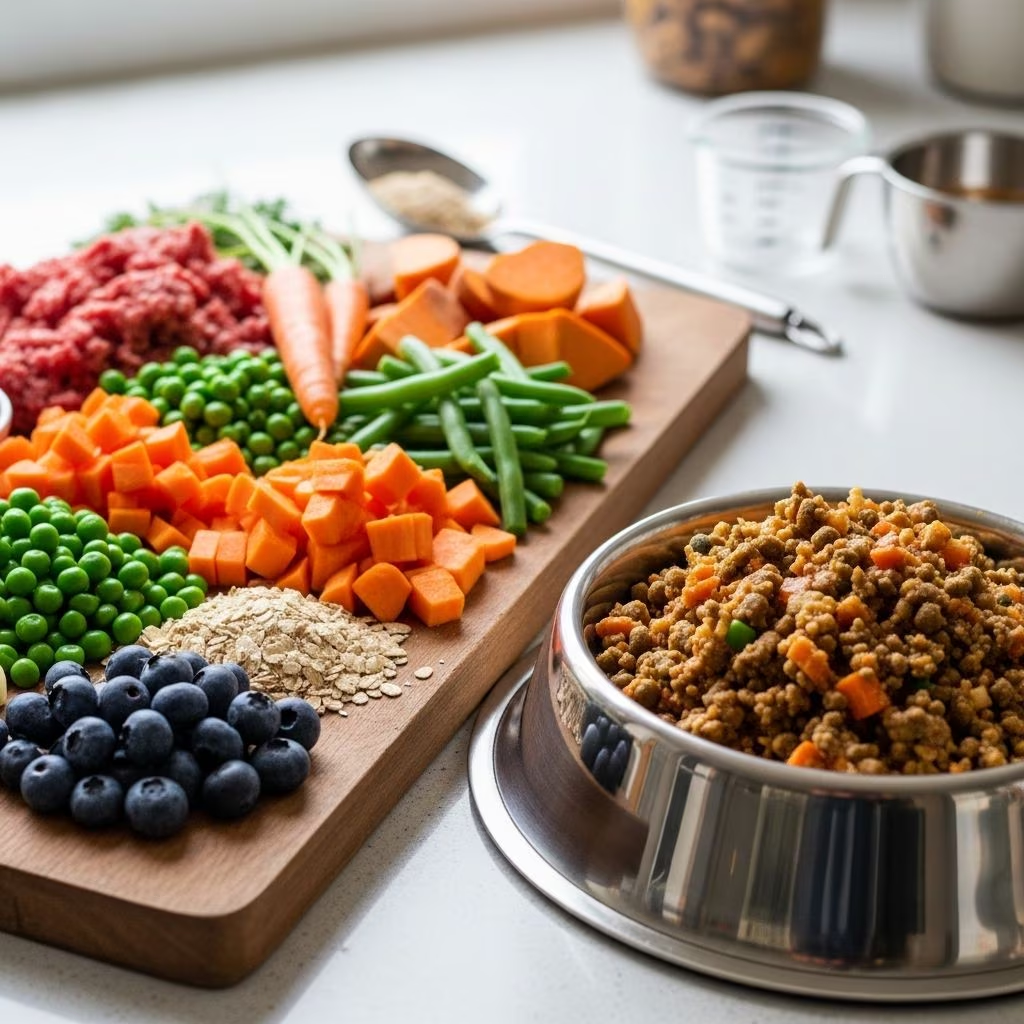
Preparing meals for your dog at home offers a pathway to superior nutrition using fresh, whole ingredients that commercial products often lack. This approach allows precise control over portions, quality, and components, leading to noticeable improvements in energy, coat condition, and digestive health.
Why Choose Homemade Nutrition for Your Dog
Commercial dog foods frequently include fillers like corn, wheat, and by-products that can trigger allergies or hinder nutrient absorption. In contrast, home-prepared diets prioritize lean proteins, vibrant vegetables, and essential fats, preserving natural flavors and digestibility. A study on dogs with gastrointestinal and dermatological issues showed nearly complete symptom remission in 94% of cases after switching to balanced homemade plans, highlighting their therapeutic potential.
Key advantages include:
- Ingredient Transparency: Select organic meats, pesticide-free produce, and additive-free supplements to eliminate preservatives and artificial colors.
- Customized Portions: Adjust calories for weight management, supporting lean body mass in active pups or gentle bulking for underweight dogs.
- Enhanced Palatability: Aromatic, fresh meals spark enthusiasm at feeding time, combating picky eating habits.
- Allergy Management: Omit common triggers like soy or chicken by-products, incorporating omega-3 rich fish to reduce inflammation.
Beyond physical benefits, crafting these meals fosters a deeper emotional connection, as dogs sense the care invested in their sustenance.
Essential Guidelines for Balanced Canine Meals
A nutritionally complete diet mirrors a dog’s ancestral needs: 40-50% protein, 20-30% vegetables, 10-20% grains or starches, and 10-20% healthy fats, with added vitamins and minerals. Consult a veterinarian or canine nutritionist to tailor recipes to breed, age, activity level, and health status, preventing deficiencies in calcium, taurine, or vitamin D.
Pro tips for success:
- Batch cook and freeze portions in airtight containers for convenience.
- Incorporate organ meats weekly for bioavailable iron, B vitamins, and zinc.
- Rotate proteins and veggies to ensure broad nutrient coverage and prevent sensitivities.
- Monitor stool quality, energy, and weight; adjust as needed with professional input.
| Nutrient | Role | Sources |
|---|---|---|
| Protein | Muscle repair, immunity | Turkey, beef, fish |
| Fats | Energy, skin health | Fish oil, eggs |
| Fiber | Digestion | Carrots, pumpkin |
| Vitamins/Minerals | Overall vitality | Leafy greens, supplements |
Recipe 1: Turkey and Veggie Power Bowl
This hypoallergenic blend suits sensitive stomachs, delivering lean protein and fiber-rich veggies for optimal gut health. Yields 4-6 servings for a 30 lb dog.
Ingredients:
- 1 lb ground turkey
- 2 cups chopped carrots
- 1 cup green beans
- 1/2 cup brown rice (cooked)
- 1 tbsp fish oil
- 1 egg (boiled, chopped)
Instructions:
- Brown turkey in a skillet over medium heat, draining excess fat.
- Steam carrots and green beans until tender, about 10 minutes.
- Mix in cooked rice, egg, and fish oil; cool before serving.
- Portion: 1-1.5 cups per meal, twice daily.
Nutritional perks: High in omega-3s for coat shine and joint support.
Recipe 2: Beef and Sweet Potato Feast
Ideal for active dogs, this recipe provides sustained energy from complex carbs and iron-packed beef. Serves 4-6 meals.
Ingredients:
- 1 lb lean ground beef
- 2 medium sweet potatoes, diced
- 1 cup spinach
- 1/2 cup quinoa (cooked)
- 1 oz beef liver (chopped)
Instructions:
- Cook beef and liver until fully browned.
- Bake sweet potatoes at 400°F for 25 minutes; steam spinach.
- Combine all with quinoa; portion accordingly.
Benefits: Antioxidants from spinach combat inflammation.
Recipe 3: Chicken-Free Fish Medley
Perfect for poultry-allergic dogs, omega fatty acids promote skin healing and reduce itchiness. Yields 5 servings.
Ingredients:
- 1 lb salmon (skinless, boneless)
- 1 cup broccoli florets
- 1/2 cup oats (cooked)
- 1/4 cup blueberries
- 1 tsp kelp powder
Instructions:
- Bake salmon at 350°F for 15 minutes.
- Steam broccoli; blend oats and blueberries into a mash.
- Mix with kelp for iodine boost; serve cooled.
Highlights: Berries add urinary tract support.
Recipe 4: Lamb and Pumpkin Gut Soother
Rich in fiber, this eases diarrhea and supports microbiome balance. For 4-6 meals.
Ingredients:
- 1 lb ground lamb
- 2 cups pumpkin puree
- 1 cup zucchini
- 1/2 cup barley (cooked)
- 1 tbsp coconut oil
Instructions:
Perks: Pumpkin binds stools effectively.
Recipe 5: Organ-Rich Variety Mix
A nutrient powerhouse with hearts and livers for complete B-vitamin profile. Serves 5-7.
Ingredients:
- 0.5 lb turkey heart/gizzard mix
- 0.5 lb beef liver
- 1.5 cups mixed peas and carrots
- 1 cup sweet potato
- 1 egg
Instructions:
- Simmer organs for 20 minutes; chop finely.
- Boil veggies and potato until soft.
- Incorporate egg; balance with calcium supplement if vet-recommended.
Advantages: Boosts immunity and vitality.
Transitioning to Home-Cooked Diets Safely
Introduce gradually over 7-10 days: 25% new food mixed with 75% old, increasing incrementally to monitor tolerance. Track body condition score monthly and bloodwork annually. For puppies, seniors, or those with conditions like kidney disease, professional formulation is crucial to avoid imbalances.
Frequently Asked Questions
Is homemade dog food cheaper than kibble?
Initially comparable, but bulk buying reduces costs; health savings from fewer vet visits offset expenses.
Can I feed raw alongside cooked?
Hybrid approaches work if balanced; consult experts for pathogen risks.
How much to feed daily?
2-3% of body weight, split into meals; adjust for activity.
What if my dog refuses it?
Add warm water or bone broth for aroma; vary textures.
Do I need supplements?
Yes, for omega-3s, calcium, and multivitamins per vet guidance.
Embracing homemade feeding transforms your dog’s wellness, yielding vibrant energy and resilience through thoughtful, fresh nourishment.
References
- The Benefits of Homemade Dog Food — Vet Organics. 2023. https://www.vet-organics.com/blogs/news/the-benefits-of-homemade-dog-food
- 11 Benefits of Homemade Dog Food for Your Best Friend — Dr. Harvey’s. 2023. https://www.drharveys.com/blogs/blog/11-benefits-of-homemade-dog-food-for-your-best-friend
- Healthy homemade dog food recipe — The Fitnessista. 2023. https://fitnessista.com/healthy-homemade-dog-food-recipe/
- Homemade Diet as a Paramount for Dogs’ Health — PMC (NCBI). 2024-10-15. https://pmc.ncbi.nlm.nih.gov/articles/PMC11435771/
- Why I started feeding my dog homemade dog food recipes — Healthy Active Pet. 2023. https://healthyactivepet.com/blogs/pet-health-and-nutrition-4/why-i-started-feeding-my-dog-homemade-dog-food-recipes
- Unleashing the Benefits of Homemade Fresh Dog Food — AKC.org. 2023. https://www.akc.org/expert-advice/nutrition/benefits-of-homemade-dog-food/
- Homemade Dog Food Recipes: A Vet Weighs In — The Honest Kitchen. 2023. https://www.thehonestkitchen.com/blogs/pet-food-ingredients/homemade-dog-food-recipes



