

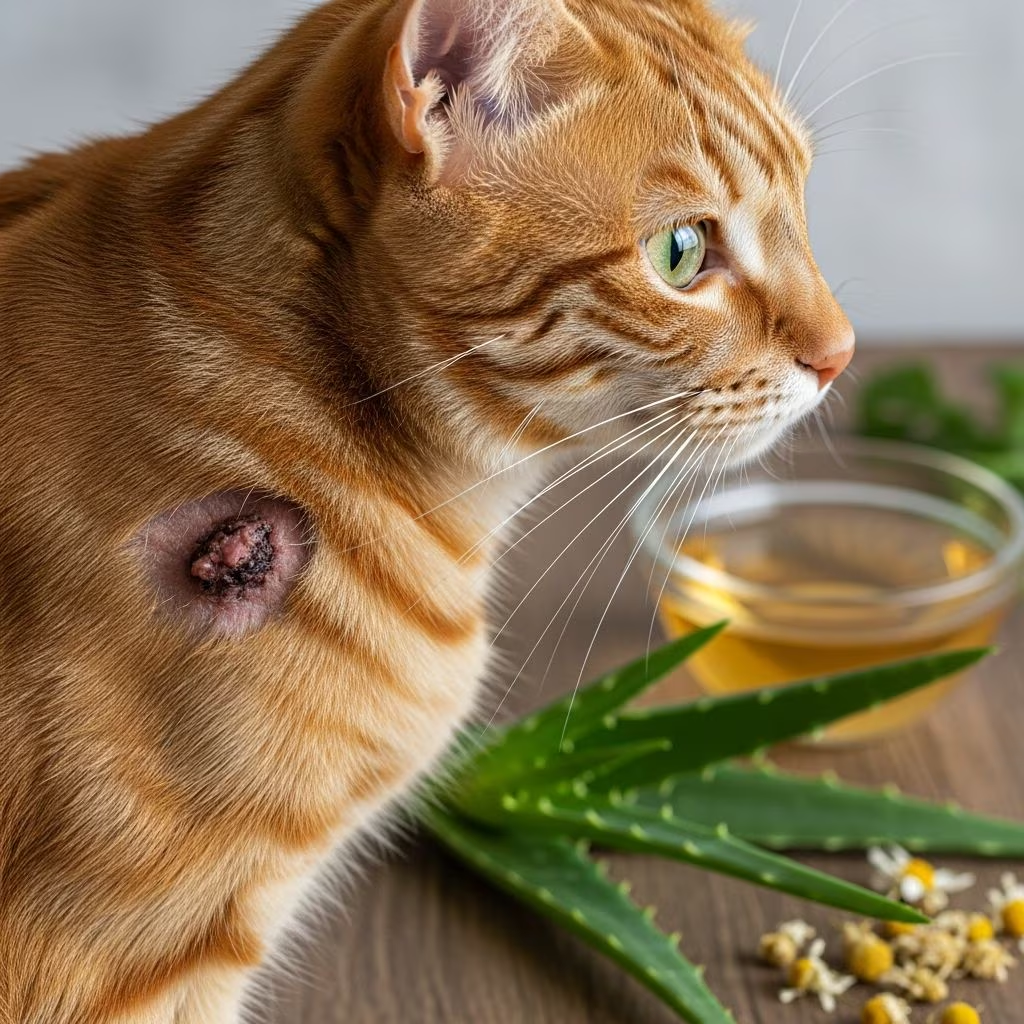
Scabs on cats can cause discomfort and signal underlying issues like allergies, parasites, or infections. Natural home remedies offer gentle, accessible ways to soothe skin, reduce itching, and promote healing while you monitor your cat’s condition. Always consult a vet before starting treatments to rule out serious causes.
What Causes Scabs on Cats?
Scabs form when a cat’s skin is damaged and heals with a crusty layer. Common triggers include flea infestations, which lead to intense scratching and miliary dermatitis—small, crusty bumps along the back. Allergies to food, pollen, or environmental factors provoke overgrooming and scab formation. Infections from bacteria, fungi like ringworm, or mites (e.g., cheyletiella or demodex) also contribute. Trauma from fights or excessive licking exacerbates the issue.
Indoor cats may develop scabs from dry air or poor diet lacking omega-3s, while outdoor cats face parasite risks. Early identification prevents worsening; watch for hair loss, redness, or behavioral changes like restlessness.
Signs Your Cat Has Scabs
Look for small, raised crusts, often on the neck, back, or base of the tail—classic flea allergy spots. Affected areas may be itchy, leading to scratching, bald patches, or open sores. Scabs can appear red, flaky, or pus-filled if infected. Excessive grooming, irritability, or lethargy accompany skin issues. Differentiate from lumps by their dry, scaly texture versus soft tumors.
The 6 Natural Home Remedies to Treat Scabs on Cats
These vet-approved remedies focus on soothing irritation, softening scabs, and preventing further damage. Use them short-term while addressing root causes.
1. Warm Towel Wrap
The simplest remedy: a warm, damp towel reduces itching and softens scabs, discouraging scratching. Soak a clean towel in warm (not hot) water, wring it out, and wrap the affected area for 5-10 minutes or as long as your cat tolerates. Gently pat dry afterward. Avoid if fungal infections like ringworm are suspected, as warmth promotes fungal growth. Repeat 2-3 times daily for relief.
2. Epsom Salts
Epsom salts (magnesium sulfate) draw out inflammation and clean wounds affordably. Dissolve 1 tablespoon in a bowl of warm water. Soak a cloth, apply to scabs for 5-10 minutes, or give a shallow bath if your cat allows. The warmth softens crusts while salts reduce swelling. Rinse gently; add a drop of lavender oil for calming (vet-approved only). Ideal for minor irritations.
3. Calendula
Calendula officinalis (pot marigold) offers anti-inflammatory and antiseptic benefits used for centuries. Steep 30g dried flowers in 1 cup boiling water for 10 minutes, cool to warm. Apply via damp cloth compress for 15 minutes, then rinse thoroughly to prevent ingestion (contains trace salicylic acid). Alternatively, strain into a spray bottle with ground oats for a soothing mist—spray, wait 20-30 minutes, rinse. Safe topically.
4. Oatmeal
Oatmeal’s proteins and fats moisturize and calm itchy skin. Grind plain oats into powder, mix into warm bath water, and soak your cat for 5-10 minutes. For spot treatment, make a paste or add to calendula spray. It softens scabs and reduces inflammation without harsh chemicals. Colloidal oatmeal products work best for sensitive skin.
5. Aloe Vera
Pure aloe vera gel cools, heals, and fights microbes. Extract from fresh leaves or use 100% pure store-bought (no additives). Apply thinly to scabs post-cleaning. Safe in small amounts if licked, but prevent excessive ingestion as leaves are mildly toxic. Combine with other remedies for enhanced effect; rinse after 20 minutes.
6. Coconut Oil
Virgin coconut oil’s lauric acid provides antibacterial, antiviral, and moisturizing properties. Massage a thin layer into scabs—no rinse needed. Safe for licking; start with 1/8 tsp mixed into food daily, increasing to 1/4 tsp if tolerated. Also soothes dry skin from allergies or fleas.
Other Effective Natural Remedies
- Apple Cider Vinegar: Dilute 2:1 with water, spray on flea-related scabs to repel parasites (avoid eyes). Repels but doesn’t kill fleas.
- Plain Yogurt: Unsweetened yogurt cools hot spots; apply topically or add to food for probiotics.
- Lemon Juice: Diluted citric acid treats scabs; spray watered-down juice, avoid eyes.
- Chamomile Tea: Brew, cool, apply with cloth for anti-inflammatory calm.
How to Prevent Scabs on Cats
Prevention targets root causes:
- Flea control: Monthly preventives, vacuum regularly, wash bedding.
- Diet: Add omega-3s (fish oil), hypoallergenic food if allergies suspected.
- Environment: Flea-free home, hypoallergenic bedding, humidity control.
- Grooming: Regular brushing, non-plastic bowls to avoid chin acne.
- Health checks: Annual vet visits for early parasite detection.
When to See a Vet
Home remedies suit mild cases, but seek vet care if scabs spread, pus appears, hair loss worsens, or your cat seems unwell. Persistent issues may need antibiotics, antifungals, or allergy tests. Vets diagnose via skin scrapes or biopsies. Don’t delay for infections or severe allergies.
Frequently Asked Questions (FAQs)
What causes scabs on my cat’s back?
Typically flea allergy dermatitis, allergies, or mites; check the neck and tail base.
Are home remedies safe for cats?
Yes, if pure and applied correctly, but consult a vet first, especially for ingestible items.
Can I use coconut oil internally?
Yes, start small (1/8 tsp/day) to aid skin from inside.
How long do scabs take to heal?
1-2 weeks with remedies; longer if underlying issues persist.
Is aloe vera toxic to cats?
Gel is safe topically in moderation; avoid leaves.
References
- Eight Effective Home Treatments for Cat Scabs and When to See a Vet — Kittynook. Accessed 2026. https://kittynook.com/blogs/kittynookcorner/eight-effective-home-treatments-for-cat-scabs-and-when-to-see-a-vet
- 6 Vet-Approved Natural Home Remedies to Treat Scabs on Cats — Catster. Accessed 2026. https://www.catster.com/cat-health-care/natural-home-remedies-to-treat-scabs-on-cats/
- Home Remedies for Cat Scabs: 7 Easy Methods You Can Do Yourself — Holistapet. Accessed 2026. https://www.holistapet.com/blogs/home-remedies-for-cats/scabs
- Decoding Feline Health: Understanding the Scabs on Your Cat’s Skin — Purely Pets Insurance. 2023-12-01. https://www.purelypetsinsurance.co.uk/blogs/what-are-these-scabs-on-my-cats-skin/



