

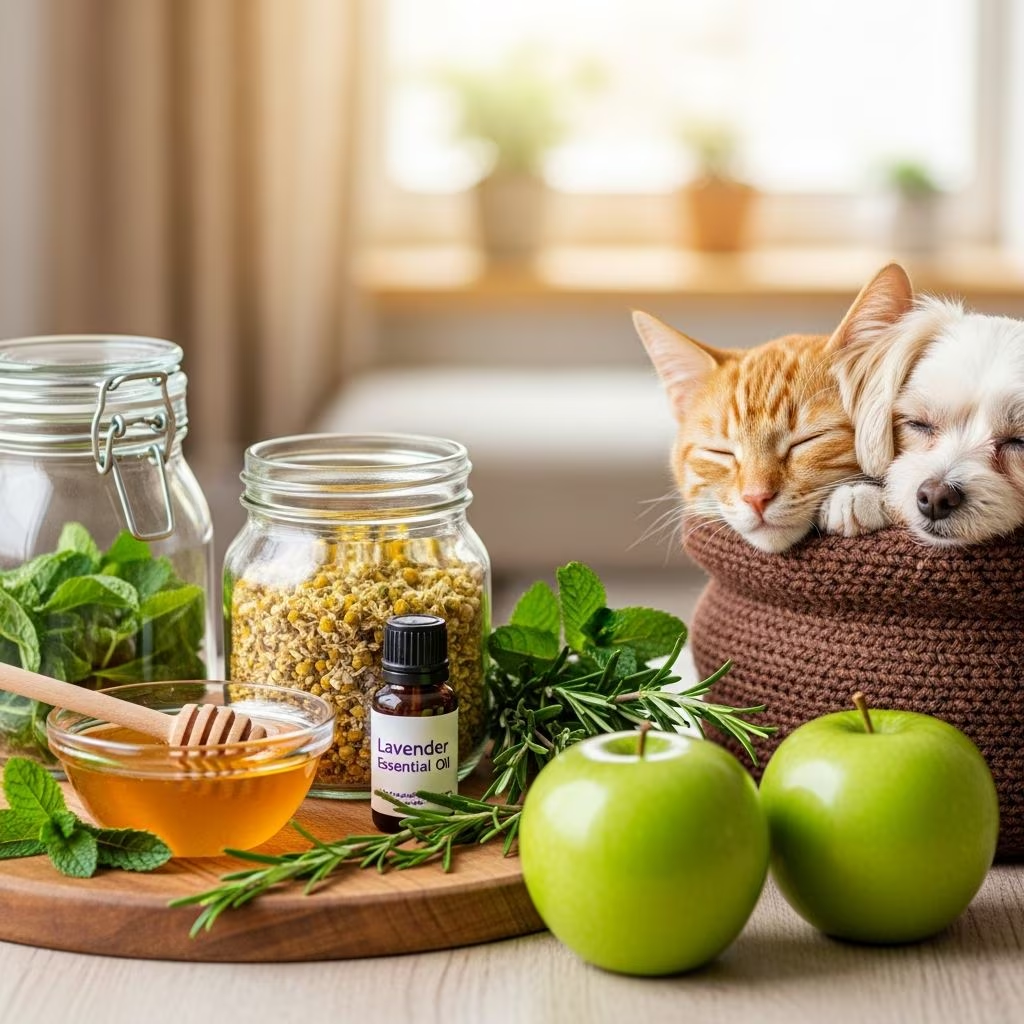
Pet owners often seek gentle ways to address everyday health concerns without relying solely on commercial products. Natural remedies drawn from household staples can provide relief for minor issues like itchy skin, digestive upset, or mild anxiety, offering a cost-effective and customizable approach to care. These methods emphasize safety, using food-grade ingredients and simple preparations, but they work best as complements to veterinary advice rather than replacements.
Skin Soothers: Calming Irritation and Hotspots
Skin problems such as dryness, itching, or hotspots affect many pets, particularly dogs with allergies or cats in dusty environments. Natural topicals can hydrate and reduce inflammation quickly.
- Colloidal Oatmeal Soaks: Grind plain oats into a fine powder and add to lukewarm bathwater. Allow your pet to soak for 10-15 minutes to ease itchiness and soothe inflamed areas. Rinse gently afterward.
- Coconut Oil Application: Warm a small amount of virgin coconut oil and massage into dry patches or hotspots. Its antimicrobial properties help while moisturizing the skin. Use sparingly to avoid greasiness.
- Diluted Apple Cider Vinegar Rinse: Mix equal parts raw apple cider vinegar and water in a spray bottle. Mist over affected areas (avoid open wounds) to balance pH and deter minor infections. Test on a small spot first.
For persistent issues, combine these with fragrance-free oatmeal shampoos available over-the-counter, but monitor for improvement within days.
Digestive Aids: Balancing Tummy Troubles
Gastrointestinal discomfort from diet changes or stress is common. Fiber-rich foods and gentle supplements can restore balance without harsh medications.
| Issue | Remedy | Preparation & Dosage | Benefits |
|---|---|---|---|
| Diarrhea or Constipation | Pumpkin Puree | 1-2 tsp plain canned pumpkin daily, mixed into food. | High fiber regulates bowels. |
| Gut Inflammation | Slippery Elm Powder | 1/4 tsp per 10 lbs body weight, stirred into meals. | Coats and soothes digestive tract. |
| General Support | Plain Yogurt Probiotics | 1 tsp per 10 lbs, sugar-free. | Promotes healthy gut bacteria. |
Transition slowly to bland diets like boiled chicken and rice for acute upset, aiming for small, frequent meals. Bone broth, simmered from quality bones, adds nutrients and hydration during recovery.
Calming Anxious Pets: Gentle Stress Relievers
Pets may show anxiety through pacing, whining, or hiding during storms or travel. Non-invasive options create a peaceful atmosphere.
- Chamomile Infusion: Brew weak chamomile tea, cool it, and add 1-2 tsp to water or food. It promotes relaxation but skip if ragweed allergies exist.
- Diluted Lavender Diffusion: Add 1-2 drops of pet-safe lavender oil to a diffuser per instructions. Keep away from direct contact to prevent irritation.
- CBD for Pets: Use vet-formulated hemp-derived CBD oil dosed by weight for separation anxiety or pain. Start low and observe effects.
Combine with routine adjustments like exercise or pheromone diffusers for best results.
Flea and Pest Prevention: Natural Deterrents
Preventing parasites avoids chemical overload. Eco-friendly barriers target fleas effectively.
- Food-Grade Diatomaceous Earth: Dust lightly on bedding and carpets; vacuum after 24-48 hours. It dehydrates fleas mechanically.
- Herbal Flea Spray: Boil lemon peels, rosemary sprigs in water, strain, and spray on coat before outings. Refresh weekly.
- ACV Water Additive: Add 1 tsp apple cider vinegar to a quart of water. It may alter scent to repel fleas; monitor intake.
Vacuum daily and wash bedding in hot water to break the flea life cycle.
Joint and Mobility Support for Aging Pets
Older pets or large breeds benefit from anti-inflammatory aids to maintain comfort and activity.
- Golden Turmeric Paste: Mix 1 part turmeric with coconut oil and a pinch of black pepper; give 1/8 tsp per 10 lbs daily in food. Enhances absorption for joint relief.
- Fish Oil Omega-3s: Add vet-recommended doses to meals for stiffness reduction and cartilage support.
- Warm Compresses and Massage: Apply a warm towel for 5-10 minutes followed by gentle rubbing to boost circulation.
Regular low-impact walks pair well with these for sustained mobility.
DIY Salves and Balms: Protecting Paws and Wounds
Homemade ointments shield against elements and aid healing, using nourishing bases.
Paw Protection Balm Recipe
- Melt 2 oz coconut oil, 2 oz olive oil, 1 oz shea butter, and 4 tbsp beeswax in a double boiler.
- Optional: Add a drop of lavender oil for soothing.
- Pour into tins and cool. Apply to pads and between toes 2-3 times weekly.
First Aid Healing Salve
- Combine 8 oz calendula-infused oil with 1 oz beeswax over low heat.
- Stir in 10-20 drops lavender oil and vitamin E.
- Cool in jars for cuts, scrapes, or irritations.
These replace antibiotic ointments for minor injuries, promoting faster recovery with herbal power.
Oral Health Essentials: Preventing Dental Issues
Dental hygiene prevents plaque buildup and gum disease, key to overall health.
- Aloe-H2O2 Solution: Mix equal parts pure aloe vera gel and 3% hydrogen peroxide. Apply to teeth and gums nightly with gauze or Q-tip.
Brush gently 3-4 times weekly; pair with dental chews for plaque control. Early intervention avoids costly cleanings.
Boosting Immunity: Preventive Nutrition
A strong immune system fends off illnesses through diet and herbs.
- Nutrient-Dense Bone Broth: Simmer bones for 12-24 hours; serve warm for gut and immune support.
- Echinacea or Astragalus: Use under vet guidance in teas or powders for seasonal defense.
- Whole Food Focus: Prioritize fresh meats, veggies, and grains suited to your pet’s needs.
Baking soda in cages absorbs odors and keeps small pet habitats fresh.
Safety Guidelines and When to Call the Vet
While beneficial, home remedies aren’t cures. Watch for allergies, worsening symptoms, or issues like vomiting blood, lethargy, or bloating—these demand immediate vet care.
- Always dilute essentials and test small areas.
- Consult vets before new treatments, especially for puppies, seniors, or medicated pets.
- Avoid toxins like garlic, dairy for lactose-intolerant pets, or undiluted oils.
Holistic vets like Dr. Carrie Donahue emphasize early use saves trips and costs, with full ingredient control.
Frequently Asked Questions
Are home remedies safe for all pets?
Most are when used correctly, but cats metabolize differently—avoid essentials directly. Always vet-check.
How long before seeing results?
Skin relief in hours to days; digestion in 24-48 hours. No improvement? Seek pro help.
Can I use human products?
Only food-grade, pet-safe versions. No xylitol, chocolate, or grapes.
What about essential oils?
Diffuse diluted only; direct application risks toxicity.
Do remedies replace vaccines or checkups?
No—they support, not substitute professional care.
References
- Natural Remedies for Common Pet Ailments — Caring Hands Animal Hospital. Accessed 2026. https://caringhandsvet.com/natural-remedies-for-common-pet-ailments/
- Homemade Remedies For Pet Care — Whole Foods Market. Accessed 2026. https://www.wholefoodsmarket.com/tips-and-ideas/archive/homemade-remedies-pet-care
- Holistic Pet Care: DIY Remedies For Pet Health — Wisconsin Public Radio. 2025. https://www.wpr.org/shows/larry-meiller-show/holistic-pet-care-diy-remedies-pet-health
- The Allure of Internet DIY Pet Remedies — Union Lake Veterinary Hospital. Accessed 2026. https://unionlakeveterinaryhospital.com/blog/the-allure-of-internet-diy-pet-remedies
- 8 Vet-Approved Home Remedies for Your Dog — PetMD. Accessed 2026. https://www.petmd.com/dog/general-health/home-remedies-for-dogs



