

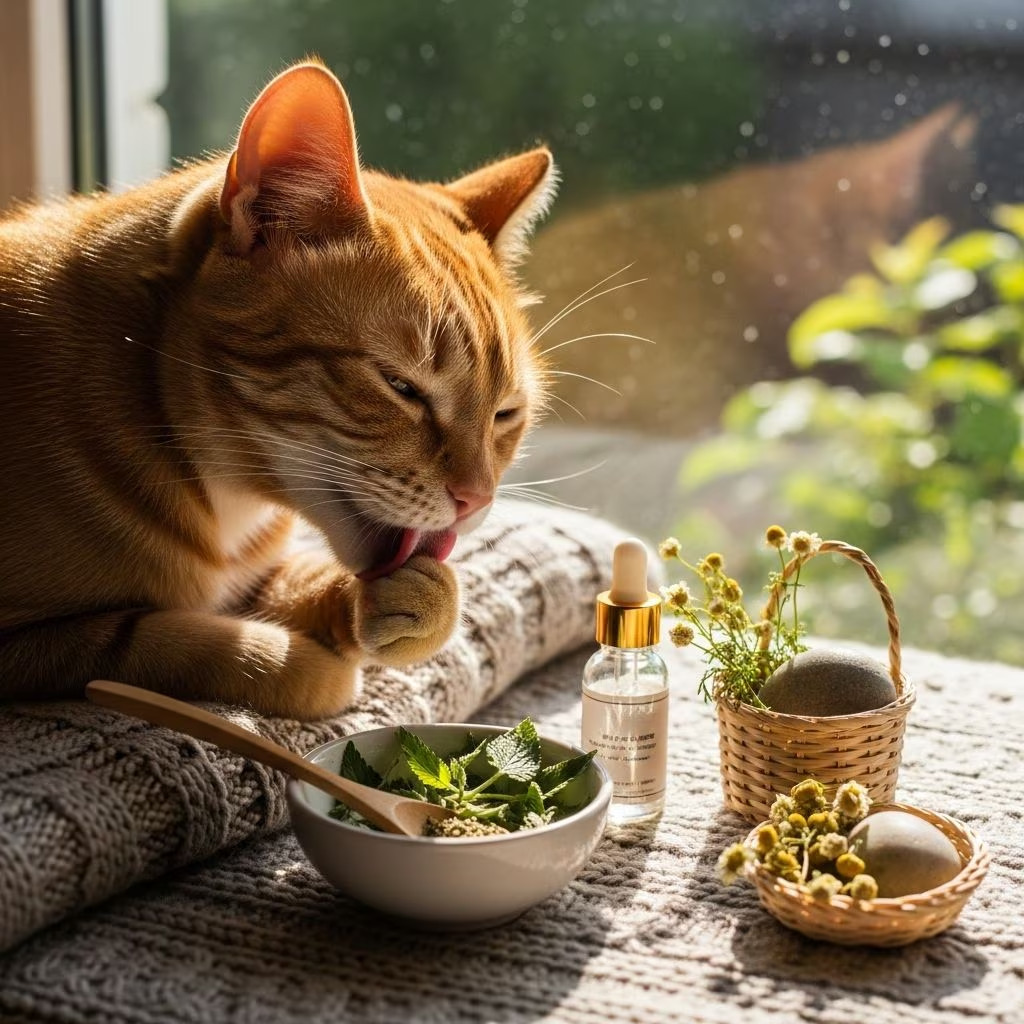
Hairballs are a common issue for cats, especially those that groom excessively. These cylindrical masses of fur can cause discomfort, vomiting, and digestive problems. Fortunately, several natural home remedies can help prevent and manage hairballs effectively.
What Are Hairballs and Why Do Cats Get Them?
Cats are meticulous groomers, spending up to 30% of their day licking their fur. This natural behavior ingests loose hair, which accumulates in the stomach. Most hair passes through the digestive tract via feces, but some forms tight hairballs (trichobezoars) that are regurgitated. Factors increasing risk include long-haired breeds like Persians and Maine Coons, older cats with increased shedding, and excessive grooming due to stress or allergies.
Symptoms of hairballs include retching, hacking coughs, vomiting tubular fur masses, lethargy, loss of appetite, and constipation. Frequent hairballs (more than once a month) warrant a vet visit to rule out underlying issues like gastrointestinal blockages.
Understanding the Causes of Cat Hairballs
- Excessive Grooming: Cats ingest more hair during shedding seasons or due to skin conditions.
- Breed Predisposition: Long-haired cats swallow more fur.
- Dehydration: Low water intake slows digestion, allowing hair to clump.
- Diet: Low-fiber diets hinder hair passage through the intestines.
Preventing hairballs starts with addressing these causes through grooming, diet, and hydration.
Top Natural Home Remedies for Cat Hairballs
Several household items act as lubricants, fiber sources, or grooming aids to help hair pass smoothly.
1. Lubricate the Digestive Tract with Oils
Oils coat the intestines, allowing hair to slide through without forming balls. Add small amounts to food occasionally.
- Olive Oil: 1 teaspoon weekly lubricates the gut.
- Corn Oil: 1 teaspoon occasionally provides vitamins and prevents constipation.
- Safflower Oil: 1 teaspoon for non-obese cats to ease passage.
- Butter: ½-1 teaspoon daily for a week pushes fur through and stimulates bile release.
Caution: Use sparingly to avoid diarrhea or weight gain. Consult a vet for obese or health-compromised cats.
2. High-Fiber Foods to Promote Digestion
Fiber bulks stool, binding hair and facilitating elimination. Introduce gradually.
| Remedy | Dosage | Benefits |
|---|---|---|
| Pumpkin (plain canned) | 1-2 tbsp daily | Natural fiber keeps cat regular; adds moisture. |
| Grape-Nuts Cereal | 1-3 tbsp daily | High fiber lubricates tract, improves nutrient absorption. |
| Metamucil (psyllium) | ½ tsp mixed with water, twice daily | Absorbs water, softens stool for easier passage. |
| Apples/Carrots (pureed) | Small amounts | Gentle fiber sources. |
Cats often enjoy pumpkin’s taste, making it an easy addition.
3. Petroleum Jelly (Vaseline)
Place a small dab on your cat’s paw for them to lick off. It lines the digestive tract, helping hair exit naturally. Apply daily for 4 days. Use plain, unscented jelly.
4. Fish Oils from Tuna or Sardines
Drain oil from canned tuna or offer one sardine monthly. Omega-3s lubricate and provide nutrition.
Prevention Strategies: Beyond Home Remedies
Regular Brushing – The Best Defense
Brushing removes loose fur before ingestion. Short-haired cats: weekly; long-haired: daily, especially in spring. Use grooming gloves or specialized brushes. This simple step dramatically reduces hairballs.
Increase Hydration
Dehydration exacerbates hairballs. Provide multiple water bowls, use cat fountains for moving water, or add wet food. Faucet play encourages drinking.
Dietary Adjustments
Switch to hairball-control formulas with beet pulp or cellulose to prevent matting. Maintain activity for healthy digestion.
When to See a Vet for Hairballs
Home remedies work for occasional hairballs, but seek veterinary care if:
- Hairballs occur more than once monthly.
- Accompanied by weight loss, diarrhea, constipation >48 hours, or bloody stool.
- Cat strains without producing hairball or shows pain.
- Suspected blockage: vet may use imaging or endoscopy.
Never use human laxatives without vet approval; they can harm cats.
Frequently Asked Questions (FAQs)
Are hairballs dangerous for cats?
Occasional hairballs are normal, but frequent or large ones can cause blockages, requiring urgent care.
How often should I give pumpkin to my cat?
1-2 tablespoons daily mixed in food. Use plain canned pumpkin, not pie filling.
Can all cats have petroleum jelly?
Most tolerate it well short-term, but check with a vet if your cat has health issues.
Does brushing really prevent hairballs?
Yes, it’s the most effective prevention by reducing ingested hair.
What if home remedies don’t work?
Consult a vet; they may recommend prescription diets, enzymes, or tests.
Additional Tips for Hairball Management
Monitor shedding patterns and adjust grooming seasonally. Combine remedies: brush daily, add pumpkin weekly, and use oil sparingly. Track improvements and vet visits in a journal. For multi-cat homes, ensure each gets tailored care.
Organic supplements like digestive enzymes can aid breakdown but require vet guidance. Always prioritize safety—start with small doses and observe reactions.
References
- Hairballs in Cats: Causes, Symptoms, & Remedies — WebMD. 2023. https://www.webmd.com/pets/cats/what-to-do-about-hairballs-in-cats
- 12 Surprising Home Cures for Your Cat’s Hairballs — Mom.com. 2022. https://mom.com/momlife/18017-12-surprising-home-cures-your-cats-hairballs
- Hairball Treatment for Cats: 7 Remedies — Whisker. 2024. https://www.whisker.com/blog/cat-hairball-remedies
- 7 Cat Hairball Remedies & Cat Food: Which Ones Work? — Sploot Vets. 2023. https://www.splootvets.com/post/cat-hairball-remedies
- Cat Hairball Remedies — NHV Natural Pet Products. 2024. https://www.nhvnaturalpetproducts.com/cats/conditions/hairballs/



