

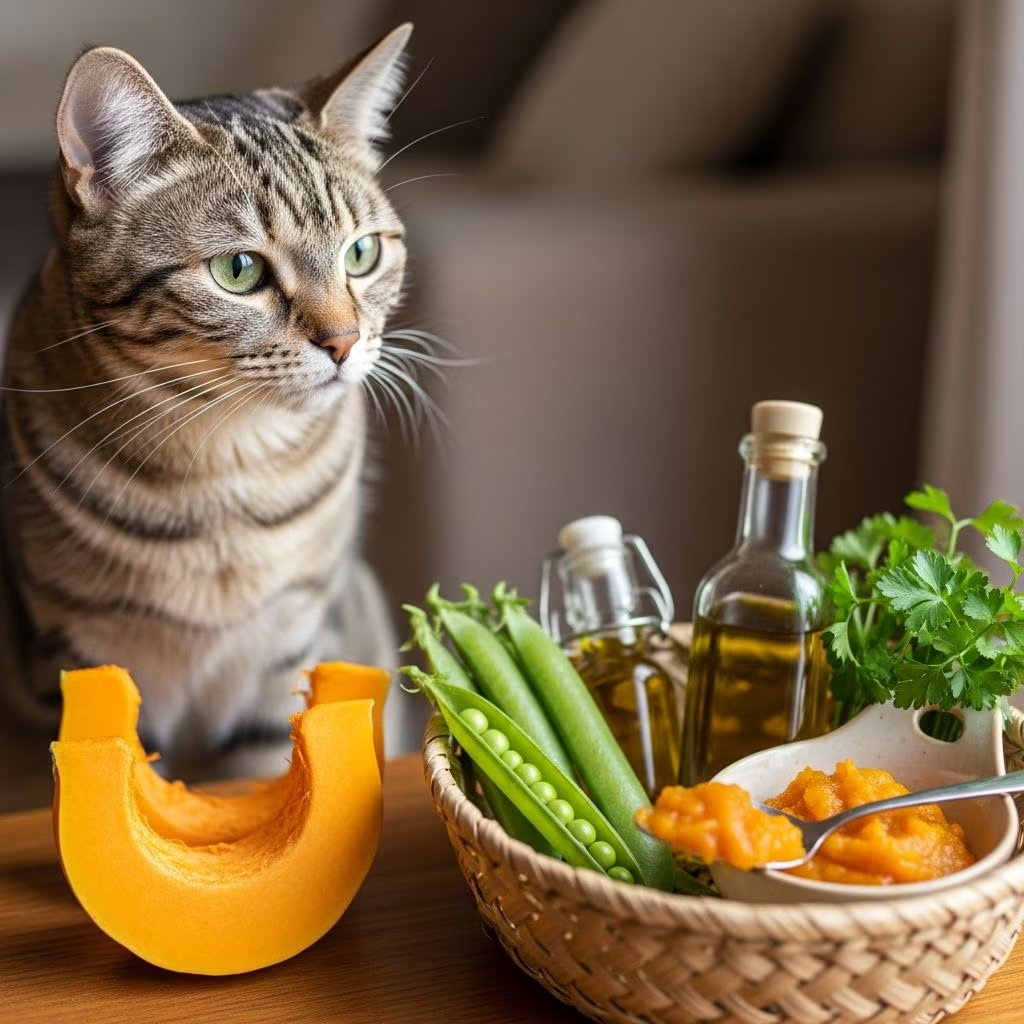
Constipation in cats is a common issue that can cause discomfort and lead to more serious health problems if left untreated. Many cat owners seek natural home remedies to alleviate symptoms safely before visiting a veterinarian. This article covers symptoms, causes, effective natural treatments, prevention strategies, and crucial warning signs, drawing from reliable veterinary guidance.
What Is Cat Constipation?
Cat constipation occurs when a feline struggles to pass hard, dry stools or produces fewer bowel movements than normal, typically less than once every 1-2 days. Unlike diarrhea, constipated stools are often small, hard pellets or absent altogether. If untreated, it can progress to obstipation, a severe blockage requiring medical intervention.
Understanding this condition helps owners act quickly. Natural remedies focus on hydration, fiber, and lubrication to restore normal digestion without harsh chemicals.
Symptoms of Constipation in Cats
Recognizing symptoms early is key to effective treatment. Common signs include:
- Straining in the litter box with little or no stool produced.
- Hard, dry, pebble-like feces.
- Frequent visits to the litter box without success.
- Loss of appetite or reduced eating.
- Lethargy or vocalizing in discomfort.
- Vomiting, especially if constipation persists.
- A distended or painful abdomen.
If your cat shows blood in stool, severe pain, or hasn’t defecated in over 48 hours, seek veterinary care immediately.
Causes of Constipation in Cats
Several factors contribute to feline constipation:
- Dehydration: Dry food diets with low water intake lead to hard stools.
- Dietary Issues: Low-fiber kibble or sudden diet changes disrupt digestion.
- Hairballs: Grooming causes ingested fur to form blockages.
- Obesity: Excess weight slows intestinal motility.
- Sedentary Lifestyle: Lack of exercise reduces gut movement.
- Stress: Environmental changes like moving or new pets trigger issues.
- Medical Conditions: Megacolon, tumors, or hyperthyroidism in older cats.
Addressing the root cause enhances remedy effectiveness.
Natural Home Remedies for Cat Constipation
Safe, natural remedies can provide relief when used correctly. Always start with small doses and monitor your cat’s response.
1. Canned Pumpkin (The Gold Standard)
Plain canned pumpkin is the most recommended natural remedy due to its high soluble fiber content, which absorbs water to soften and bulk stools. It adds moisture without calories that could worsen obesity.
- Dose: 1 teaspoon mixed into wet food, 1-2 times daily for 2-3 days.
- Tip: Use only pure pumpkin, not pie filling with spices or sugar.
- Why it works: Fiber promotes peristalsis (intestinal contractions).
Many cats love the taste, making it easy to administer.
2. Increase Hydration
Dehydration is a primary cause, so boosting water intake is essential.
- Switch to wet food (75% moisture vs. 10% in kibble).
- Add warm water to food for a “soup” consistency.
- Use pet fountains to encourage drinking.
- Offer low-sodium bone broth or tuna water (in moderation).
Hydration alone resolves many mild cases.
3. Fish Oil or Olive Oil
Oils lubricate the intestines, easing stool passage. Fish oil offers added omega-3 benefits for inflammation.
- Dose: 1/4-1/2 teaspoon olive oil or per bottle instructions for fish oil, mixed in food daily for up to 7 days.
- Warning: Never syringe-feed oils to avoid aspiration pneumonia.
Coconut oil is another gentle option in small amounts.
4. Psyllium Husk
This soluble fiber forms a gel-like substance to move waste smoothly.
- Dose: 1/4 teaspoon powder mixed with extra water or wet food.
- Caution: Insufficient water can worsen blockage.
5. Probiotics
Gut flora imbalance contributes to constipation. Cat-specific probiotics like FortiFlora restore balance.
- Dose: Follow product guidelines, typically sprinkled on food daily.
Benefits appear in 1-2 weeks with consistent use.
6. Abdominal Massage
Gentle clockwise tummy rubs stimulate bowels.
- Technique: Use light pressure for 1-2 minutes after meals.
- Stop if cat shows pain or resistance.
Other Remedies
- Aloe Vera Juice: Small vet-approved doses soothe digestion.
- Ginger: Tiny amounts (1/8 tsp grated) aid motility.
- Hairball Gel (e.g., Laxatone): Petroleum-based for fur blockages.
- Miralax (PEG 3350): 1/8 tsp after vet consultation; draws water into colon.
Prevention Tips for Cat Constipation
Prevent recurrence with lifestyle changes:
- Provide constant fresh water and wet food options.
- Incorporate high-fiber foods like pumpkin routinely.
- Encourage play and exercise daily (laser pointers, toys).
- Groom regularly to reduce hairballs.
- Maintain healthy weight via portion control.
- Minimize stress with routine and hiding spots.
Regular vet check-ups catch underlying issues early.
When to See a Vet
Home remedies suit mild cases, but professional help is needed for:
- No bowel movement in 48-72 hours.
- Vomiting, refusal to eat, or blood in stool.
- Visible pain, bloating, or weakness.
- Recurrent episodes suggesting megacolon or disease.
Vets may use enemas, laxatives like lactulose, or diagnostics (X-rays). Never delay in emergencies.
Table: Comparison of Top Natural Remedies
| Remedy | Key Benefit | Dose | Cautions |
|---|---|---|---|
| Canned Pumpkin | Fiber + Moisture | 1 tsp 1-2x/day | Plain only |
| Fish/Olive Oil | Lubrication | 1/4 tsp/day | No syringing |
| Psyllium Husk | Gel-forming fiber | 1/4 tsp w/water | Extra hydration |
| Probiotics | Gut balance | Per product | Cat-specific |
| Wet Food Switch | Hydration boost | Daily diet | Gradual transition |
Frequently Asked Questions (FAQs)
What is the fastest home remedy for cat constipation?
Canned pumpkin provides quick fiber relief; combine with hydration for best results.
Can cats have olive oil for constipation?
Yes, in small amounts (1/4 tsp daily), but fish oil is preferable for long-term use.
How long can a cat go without pooping?
48 hours is concerning; over 72 hours requires a vet visit.
Is Miralax safe for cats?
Yes, at 1/8-1/4 tsp doses after vet approval; it’s gentle and effective.
Does wet food prevent constipation?
Absolutely, its high moisture content keeps stools soft.
This comprehensive guide empowers cat owners with safe natural strategies. Always prioritize your pet’s health and consult professionals when needed.
References
- 12 Home Remedies for Constipated Cats — Lady N Pet. 2023. https://ladynpet.com/us/blog/cat-constipation/
- Constipation in Cats: Symptoms, Causes & Treatment — New Hope Animal Hospital. 2024-07-15. https://www.newhopeanimalhospital.com/site/blog/2024/07/15/constipation-cats
- Constipation In Cat: Signs, Symptoms & Remedies — Holistapet. 2023. https://www.holistapet.com/blogs/home-remedies-for-cats/constipation
- 100% Natural Cat Constipation Remedy — NHV Natural Pet Products. 2023. https://www.nhvnaturalpetproducts.com/cats/conditions/constipation/
- Causes and Cures for Cat Constipation — Crosslake Vet. 2023. https://www.crosslakevet.com/services/cats/blog/causes-and-cures-cat-constipation



