

Constipation in dogs manifests as infrequent, hard, or difficult bowel movements, often causing discomfort that pet owners notice quickly. Recognizing early signs and incorporating natural foods can provide gentle relief without immediate veterinary intervention for mild cases.
Understanding Canine Constipation: Key Indicators
Dogs experiencing constipation may strain excessively during defecation, produce small or dry stools, or go more than 48 hours without a bowel movement. Additional symptoms include whining, restlessness, loss of appetite, or a distended abdomen. These signs differ from diarrhea and warrant attention to prevent escalation.
- Straining or crouching:** Common when passing hard stools.
- Hard, pebble-like feces:** Indicates dehydration or low fiber intake.
- Lethargy or vomiting:** Signals potential blockages needing urgent care.
Monitoring stool frequency—ideally once or twice daily—helps owners intervene promptly. Puppies and seniors face higher risks due to developing or slowing digestive systems.
Common Triggers Behind Dog Constipation
Several factors contribute to constipation, ranging from lifestyle to medical issues. Lack of physical activity slows gut motility, while dietary imbalances like insufficient fiber or abrupt food changes disrupt regularity.
| Cause Category | Examples | Impact on Digestion |
|---|---|---|
| Lifestyle | Lack of exercise, dehydration | Slows intestinal movement |
| Dietary | Low fiber, sudden diet shifts | Leads to hard stools |
| Physical | Anal sac issues, matted fur, ingested objects | Blocks passage |
| Medical | Prostate enlargement, tumors, medications | Causes obstruction or pain[10] |
Older dogs are prone due to reduced mobility and organ efficiency, but any breed can be affected by environmental or health factors.
Role of Diet in Preventing and Treating Constipation
A balanced diet rich in moisture and fiber supports smooth digestion. Water intake is crucial; dogs should have constant access to fresh water to soften stools. Gradually introducing fiber prevents overload, which could cause gas or diarrhea.
Fiber absorbs water, bulking stools for easier passage. Soluble fiber forms a gel-like substance, while insoluble adds bulk. Both types benefit canine guts when sourced naturally.
Top Natural Foods to Ease Constipation
Veterinarians often recommend simple, human-grade foods as first-line remedies. Start with small amounts to monitor tolerance, aiming for 1-2 teaspoons per 10 pounds of body weight daily.
Canned Pumpkin: A Digestive Superfood
Pure canned pumpkin (not pie filling) tops the list for its high soluble fiber content, acting as a natural laxative. It draws water into the intestines, softening stools within 24-48 hours. Offer 1-4 tablespoons based on dog size, mixed into meals.
- Rich in vitamins A, C, and E for overall gut health.
- Low calorie, ideal for overweight dogs.
- Evidence from vet practices shows rapid improvement in mild cases.
High-Fiber Vegetables for Bulk
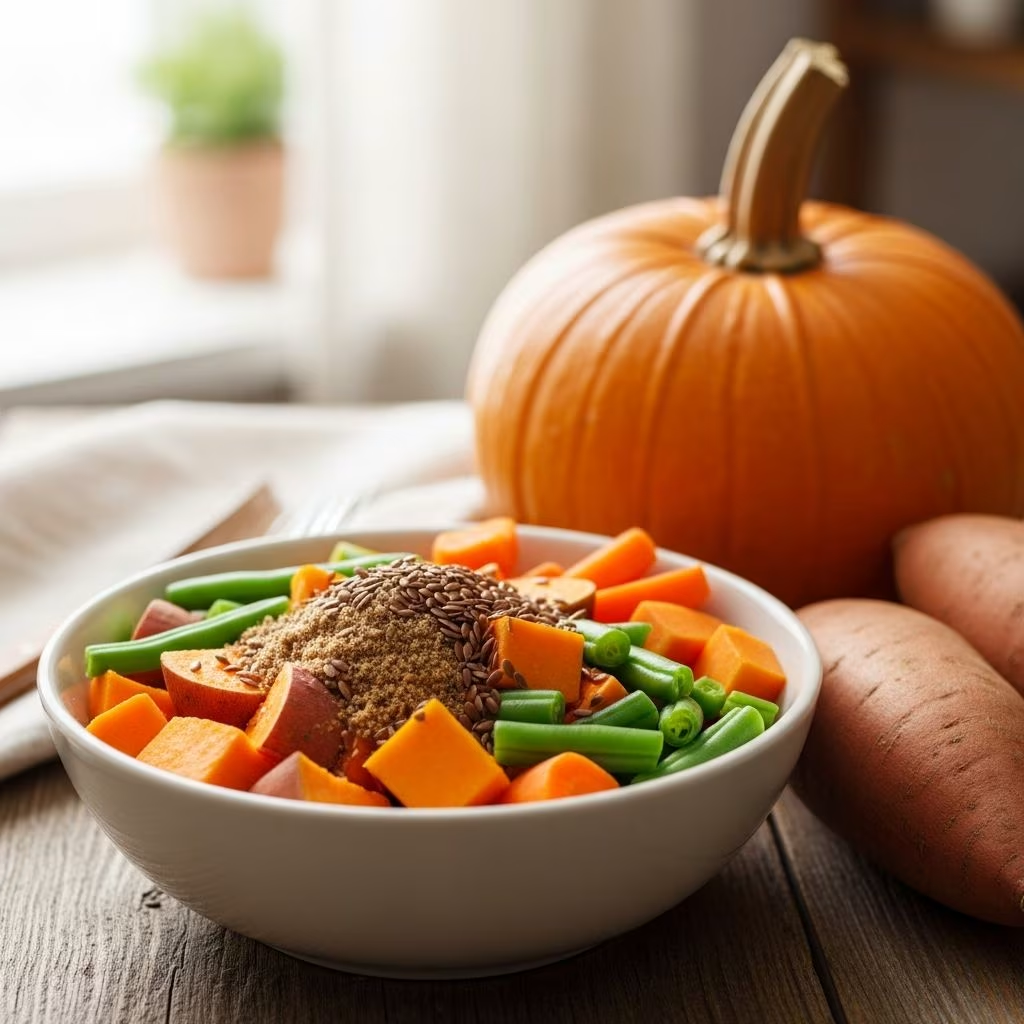
Steamed or pureed green beans, carrots, and sweet potatoes provide insoluble fiber to promote regularity. These low-calorie options also hydrate and add nutrients without excess calories.
- Green beans: 100g offers 2.7g fiber; chop finely for picky eaters.
- Carrots: Beta-carotene supports immunity; grate raw for crunch.
- Sweet potatoes: Cooked, mashed; high in both fiber types.
Introduce gradually to avoid bloating, comprising no more than 10-25% of diet.
Fruits with Natural Laxative Effects
Apples (peeled, cored) and pears deliver pectin, a soluble fiber that eases passage. Avoid seeds and pits due to toxicity risks. A few slices daily suffice for medium dogs.
- Pectin ferments into short-chain fatty acids, nourishing gut bacteria.
- Blueberries add antioxidants but use sparingly due to sugar.
Whole Grains and Bran Additions
Wheat bran or oat bran sprinkled on food (1/2 teaspoon per meal) increases bulk effectively. Psyllium products like Metamucil (plain, unflavored) mimic this when mixed with water.
These absorb moisture, expanding in the colon to stimulate movement. Consult vets for dosing to prevent over-fiber issues.
Probiotic-Rich Yogurt or Kefir
Plain, unsweetened yogurt introduces beneficial bacteria, balancing gut flora disrupted by constipation. Goat milk offers a lactose-light alternative for sensitive stomachs.
Small amounts (1-2 tablespoons) daily can improve motility over time.[10]
Implementing a Constipation-Relief Meal Plan
Transition slowly over 7-10 days to avoid tummy upset. A sample daily plan for a 50-pound dog:
| Meal | Base Food | Add-Ins | Portion |
|---|---|---|---|
| Breakfast | High-quality kibble | 2 tbsp pumpkin, 1 tsp bran | 2 cups |
| Lunch | Steamed veggies | Yogurt topper | 1 cup |
| Dinner | Lean protein + rice | Apple slices, green beans | 2 cups |
| Snacks | – | Carrot sticks | As needed |
Ensure 1 ounce of water per pound of body weight daily. Pair with 30-minute walks post-meals.
Beyond Food: Holistic Strategies for Relief
Exercise accelerates peristalsis; daily walks or fetch sessions are essential. Massage the abdomen gently in a clockwise motion to stimulate bowels.
For persistent cases, vets may prescribe fiber-enhanced diets, laxatives, or enemas—never administer at home due to perforation risks.[10]
When to Seek Professional Veterinary Help
If symptoms persist beyond 48 hours, include blood in stool, extreme lethargy, or vomiting, rush to a vet. Diagnostics like X-rays rule out obstructions or megacolon.[10]
- Repeated episodes signal chronic issues like hypothyroidism or tumors.
- Sudden onset in active dogs may indicate foreign bodies.
Long-Term Prevention for Optimal Gut Health
Maintain a consistent routine: balanced commercial diets, routine grooming to prevent hair ingestion, and annual check-ups. Weight management reduces anal matting risks.
Probiotics and omega-3 supplements support microbiome diversity, reducing recurrence.[10]
Frequently Asked Questions (FAQs)
Can I give my dog milk for constipation?
Small amounts of goat or low-lactose cow milk may help due to its laxative effect, but avoid if lactose intolerant. Limit to 1-2 oz for small dogs.
How much pumpkin is safe daily?
1-4 tablespoons depending on size; plain canned only. Overuse causes diarrhea.
Is olive oil effective?
A teaspoon lubricates intestines mildly, but use sparingly to avoid loose stools. Not a first choice.
What if home remedies fail?
Seek vet care immediately; manual extraction or fluids may be needed.[10]
Are bones safe?
Cooked bones fragment and cause blockages; opt for digestible chews.
This comprehensive approach empowers owners to support their dog’s digestive health naturally, fostering happier, more active pets.
References
- Constipation in Dogs: Causes, Symptoms & Treatment — Animerge Vets. 2020-12-21. https://www.animergevets.com/site/blog/2020/12/21/constipation-dogs-causes-symptoms-treatment
- Constipation in Dogs: Causes, Diagnosis and Treatment — Animal General CT. 2022-02-28. https://www.animalgeneralct.com/site/blog/2022/02/28/constipation-in-dogs-causes-diagnosis-and-treatment
- Constipation in Dogs: Causes, Symptoms & Treatment — Rivergate Veterinary Clinic. 2024-06-30. https://www.rivergateveterinaryclinic.com/site/blog/2024/06/30/constipation-dogs
- Why is My Dog Constipated & What to Do — Rancho Vet. 2023-09-15. https://www.ranchovet.com/site/blog/2023/09/15/dog-constipated–what-to-do
- Constipation in Dogs: Causes, Symptoms & Treatment — St. Louis Animal Emergency Clinic. 2023-06-30. https://www.stlouisanimalemergencyclinic.org/site/blog/2023/06/30/constipation-dogs
- Dog Constipation Causes and Treatment — WebMD Pets. N/A. https://www.webmd.com/pets/dogs/dog-constipation-causes-treatment
- Dog Constipation: Treatment and When To Call Your Vet — PetMD. N/A. https://www.petmd.com/dog/symptoms/dog-constipation



