

Fleas pose a significant threat to cats, causing itching, skin irritation, and potential disease transmission. While commercial products dominate the market, many cat owners seek gentler, household-based alternatives. This guide details effective natural strategies drawn from veterinary insights, focusing on repellents, removal techniques, and environmental controls that prioritize your pet’s safety.
Understanding the Flea Life Cycle and Why Natural Methods Matter
Fleas progress through egg, larva, pupa, and adult stages, with most life spent off the host in surroundings like carpets and bedding. Adults represent only 5% of the population, making comprehensive treatment essential. Natural remedies excel at repelling adults and disrupting environments but often fall short against all stages compared to prescription options. Still, they offer a low-risk starting point, especially for mild cases or prevention.
Veterinarians note that while evidence for natural efficacy varies, options like diluted vinegars and mechanical tools provide tangible benefits without toxicity risks common in some essential oils.
Safe and Simple Home Remedies for Direct Application
Target fleas on your cat’s coat using these accessible ingredients. Always test a small area first and avoid eyes, mouth, and open wounds.
- Apple Cider Vinegar Spray: Combine equal parts raw apple cider vinegar and water in a spray bottle. Lightly mist your cat’s fur or wipe with a damp cloth daily. The acidity alters skin pH, deterring fleas without killing them outright. Reapply after baths or outdoor time.
- Dish Soap Bath: Lather mild, fragrance-free dish soap into wet fur during a gentle bath. The surfactant drowns adult fleas by breaking surface tension. Rinse thoroughly to prevent dryness; limit to weekly use.
- Coconut Oil Rub: Massage virgin coconut oil into the coat. Its lauric acid repels fleas and soothes bites. Use sparingly to avoid greasiness; comb through afterward.
Mechanical Tools: Your First Line of Defense
No chemical needed—physical removal trumps many sprays for immediate relief.
- Flea Combing: Use a fine-toothed metal comb dipped in soapy water. Comb from head to tail daily, focusing on neck, belly, and tail base. Dispose of fleas by submerging in water. This removes adults and eggs effectively.
| Method | Pros | Cons | Frequency |
|---|---|---|---|
| Flea Comb | Immediate removal, no residues | Time-intensive | Daily |
| Soap Bath | Kills on contact | May dry skin | Weekly |
| Oil Rub | Moisturizes, repels | Messy | 2-3x/week |
Environmental Controls: Breaking the Flea Cycle at Home
Over 95% of fleas reside in your living space. Vacuum daily, wash bedding in hot water weekly, and deploy these powders.
- Food-Grade Diatomaceous Earth (DE): Sprinkle lightly on carpets, pet beds, and furniture. The microscopic sharp edges dehydrate fleas within 24-48 hours. Vacuum after 3 days; wear a mask during application. Safe for cats once settled.
- Salt or Baking Soda Mix: Spread finely ground salt or baking soda on floors and rugs. It desiccates larvae. Leave 24+ hours, then vacuum. Combine for better results but avoid heavy use near food areas.
Herbal and Oil-Based Repellents: Use with Caution
Plants and oils offer aromatic deterrence, but cats’ sensitive livers metabolize many poorly. Dilute heavily and consult a vet.
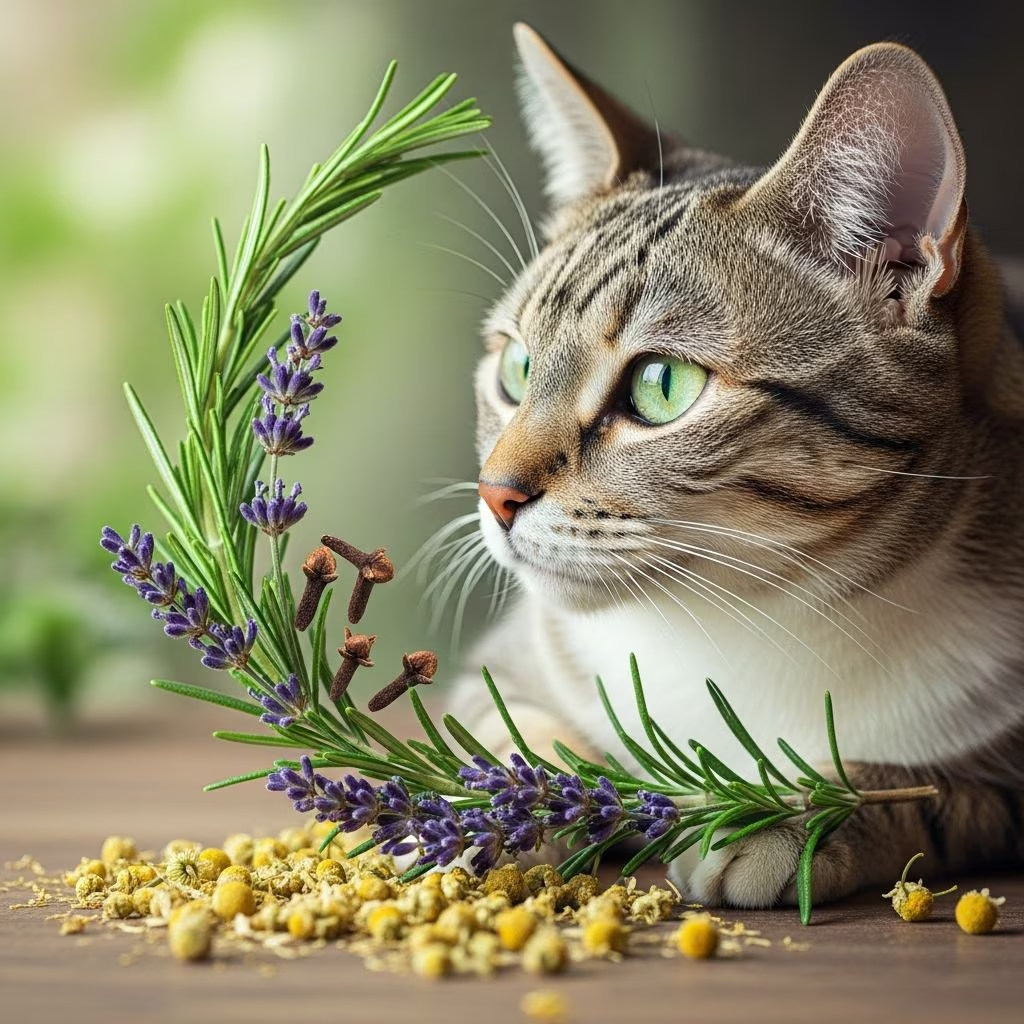
- Rosemary Rinse: Boil fresh rosemary sprigs in water, cool, strain, and spray. The scent repels fleas; safe for occasional use.
- Cedarwood or Peppermint Sprays: In commercial products like herbal spot-ons, trace amounts target fleas. DIY versions risk toxicity—stick to vet-formulated.
- Lemon Boil: Simmer lemon slices overnight; dilute and spray surroundings only, not directly on cats due to psoralens.
Warning: Avoid tea tree, eucalyptus, lavender, and citrus oils neat—they cause vomiting, tremors, or liver damage in cats.
Integrated Approach: Combining Methods for Lasting Results
Single remedies rarely suffice. Layer defenses:
- Comb and bathe your cat weekly.
- Spray ACV daily.
- DE/vacuum home bi-weekly.
- Herbal rinse as needed.
Monitor with a flea comb; if infestation persists after 2 weeks, seek vet-prescribed topicals targeting eggs/larvae.
Dangerous Myths and Remedies to Skip
Not all “natural” is safe. Skip these:
- Baking Soda Alone: No proven kill power; ineffective.
- Undiluted Essential Oils: Lavender, peppermint cause GI upset.
- Garlic: Toxic to felines, risks anemia.
Prevention Strategies for Flea-Free Living
Proactive steps keep fleas away year-round.
- Yard maintenance: Mow grass short, remove debris.
- Pet checks: Post-outdoor combing.
- Multi-pet homes: Treat all simultaneously.
- Seasonal vigilance: Peak in warm months.
When to Consult a Veterinarian
Natural methods suit light issues. Red flags include hair loss, anemia signs (pale gums), or tapeworm segments. Vets may recommend oral preventives or skin tests for allergies. Always disclose home remedies to avoid interactions.
Frequently Asked Questions
Can natural remedies fully eliminate fleas on cats?
They repel and remove adults effectively but rarely eradicate eggs/larvae. Pair with environmental cleaning for best outcomes.
Is diatomaceous earth safe around cats?
Food-grade DE is non-toxic once vacuumed; avoid inhalation during application.
How often should I bathe my cat with dish soap for fleas?
Once weekly max to prevent skin drying. Use pet-safe soap.
Are essential oils okay for flea control in cats?
Highly diluted in products only; many are toxic undiluted.
What’s the quickest natural flea killer for cats?
Dish soap baths and flea combs provide fastest adult removal.
References
- Home Remedies for Fleas and How To Help Your Cat — PetMD. 2024. https://www.petmd.com/cat/general-health/natural-flea-treatment-for-cats
- Natural Flea & Tick Remedies for Pets — Peak City Puppy. 2024. https://peakcitypuppy.com/natural-remedies-to-get-rid-of-fleas-and-ticks-on-your-pets/
- Natural Remedies for Fleas on Cats — Lolahemp. 2024. https://lolahemp.com/blogs/cat-health/natural-flea-treatments-for-cats
- Remedies and Treatments for Fleas — WebMD. 2024. https://www.webmd.com/pets/remedies-for-fleas
- Herbal Spot-On for Cats & Kittens — Earth Animal. 2024. https://earthanimal.com/product/apothecary-natural-flea-tick-herbal-spot-on-for-cats-kittens/



