

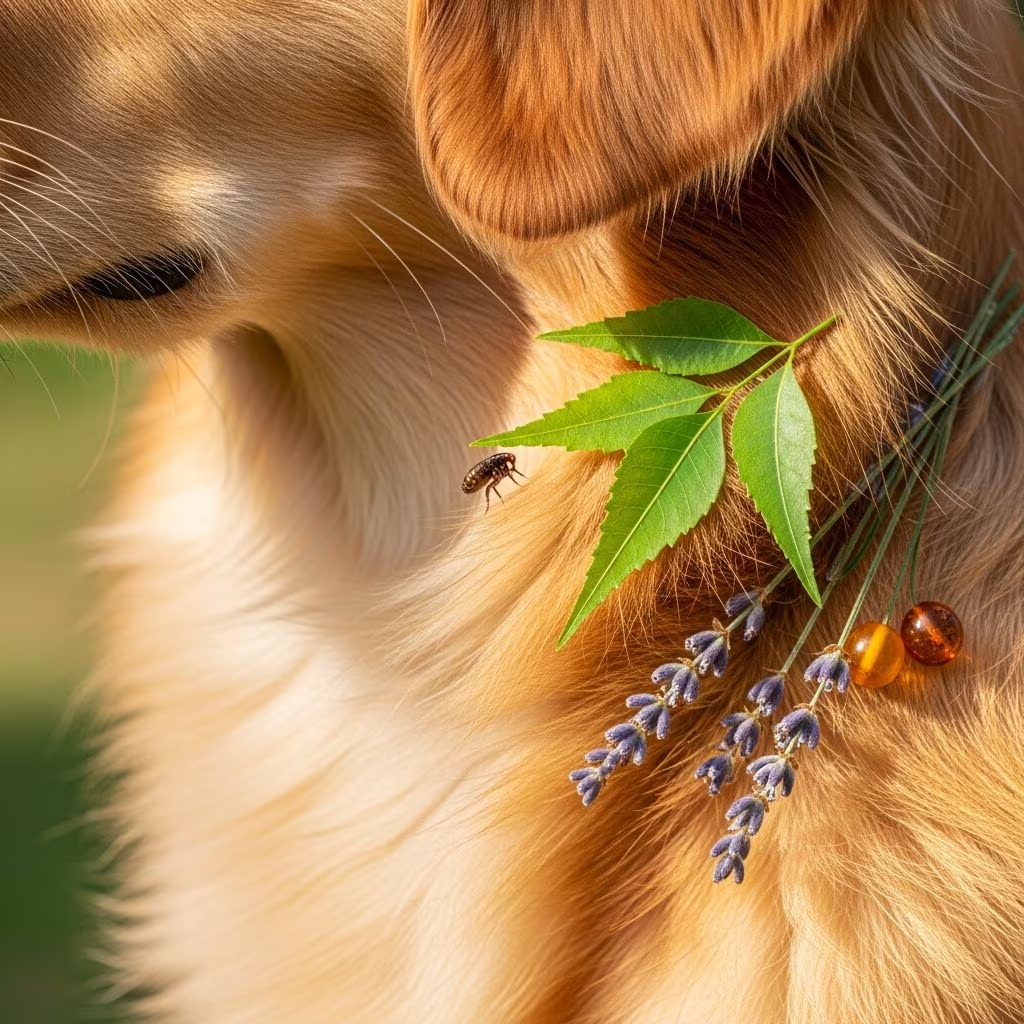
Fleas pose a persistent challenge for dog owners, causing discomfort, itching, and potential health issues like allergies or infections. Fortunately, numerous non-toxic methods exist to manage and prevent infestations effectively. This guide outlines practical, natural approaches to target fleas at every life stage—adults, eggs, larvae, and pupae—while protecting your pet and home.
Understanding the Flea Life Cycle
To combat fleas successfully, recognize their complete life cycle, which spans about three weeks under ideal conditions. Adult fleas feed on your dog’s blood, laying eggs that fall into the environment. These hatch into larvae that feed on organic debris, then spin cocoons as pupae before emerging as adults. Breaking this cycle requires targeting all stages simultaneously.
Environmental factors like warmth and humidity accelerate reproduction; a single female can produce thousands of eggs monthly. Focus on your dog’s coat, bedding, carpets, and yard to disrupt this process.
Effective Traps for Adult Fleas
Simple traps reduce adult flea numbers quickly without chemicals. Place shallow dishes of warm water mixed with a drop of dish soap under nightlights in rooms where your dog spends time, especially near bedding. The light attracts jumping fleas, and the soap breaks water’s surface tension, drowning them instantly.
Check traps daily; you may capture dozens overnight. Electric or glue traps offer similar results. Combine with frequent vacuuming to remove eggs and stimulate pupae to hatch prematurely for easier targeting.
Diatomaceous Earth: A Natural Desiccant
Food-grade diatomaceous earth (DE) is a fine powder from fossilized algae that dehydrates fleas by abrading their exoskeletons. Sprinkle lightly on carpets, furniture, your dog’s bedding, and even rub into the coat (avoiding eyes and nose). Leave for 48 hours, then vacuum thoroughly.
- Key Tips: Use only food-grade DE, not pool-grade, which lacks sharp edges.
- Apply in well-ventilated areas to avoid inhalation.
- Reapply after vacuuming until no fleas remain.
DE targets adults, eggs, and larvae effectively, making it a cornerstone of natural control.
Essential Oils and Herbal Repellents
Certain plant-based oils disrupt flea reproduction and repel adults. Neem and cedarwood oils dissolve exoskeletons of eggs, larvae, and pupae. Dilute 10-20 drops in water for a spray on fabrics and pet-safe products for direct application.
Other options include:
- Rosemary: Boil leaves, strain, and use as a dip or spray to repel fleas.
- Lemon Juice: Acidic properties deter fleas; rub fresh juice or boiled slices on fur or spray on furnishings.
- Coconut Oil: Suffocates fleas while conditioning skin; warm and massage into coat.
Always dilute essential oils with a carrier like water or coconut oil, and test for skin sensitivity. Consult a vet for puppies or sensitive dogs.
Bathing Routines for Immediate Relief
Regular baths drown adults and larvae. Use mild dish soap like Dawn, filling the tub to submerge legs and belly for 10 minutes. Follow with a flea comb to remove dead fleas.
Alternatives:
| Method | Ingredients | Application |
|---|---|---|
| Lemon Bath | Lemon slices boiled overnight | Sponge or spray on coat |
| Rosemary Dip | Boiled rosemary leaves | Soak fur, air dry |
| Neem Spray | Diluted neem oil | Massage into fur |
Repeat every few days during infestations. These methods soothe itching and restore coat health.
Apple Cider Vinegar and pH Balance
Apple cider vinegar (ACV) creates an acidic skin environment fleas avoid. Mix 1 part ACV with 1 part water in a spray bottle and mist your dog’s coat daily. Avoid eyes and open wounds.
For variety, add to drinking water (1 tsp per quart) or use in rinses. It balances pH without harming dogs, though taste may deter licking.
Environmental and Yard Management
Fleas thrive in 95% of their life off your dog, so clean rigorously:
- Vacuum daily, emptying bags outside.
- Wash bedding in hot water weekly.
- Sprinkle salt or baking soda on carpets overnight to dehydrate eggs, then vacuum.
- In yards, mow grass short, remove debris, and apply beneficial nematodes—microscopic worms that eat larvae.
Spray herbal mixtures on upholstery and outdoors for ongoing protection.
Preventive Daily Habits
Prevent reinfestation with consistent routines. Add brewer’s yeast to food (1 tsp per 25 lbs body weight) to alter skin scent, repelling fleas. Brush daily with a flea comb, focusing on armpits and groin.
Rotate remedies to avoid resistance. Monitor for signs like excessive scratching or black flea dirt (digested blood).
Potential Risks and When to Seek Help
Natural methods are safer but not foolproof. Watch for allergies to oils or DE inhalation. Puppies, pregnant dogs, or those with health issues need vet approval.
If infestation persists after 2-3 weeks, combine with vet-recommended preventives. Severe cases may require professional extermination.
FAQs
Are essential oils safe for dogs?
Diluted properly, yes, but avoid tea tree or high concentrations. Always patch-test.
How long until natural remedies work?
Visible reduction in 3-7 days with consistent use; full eradication in 4 weeks.
Can I use DE on puppies?
Food-grade DE is safe post-weaning; consult vet for young pups.
Do flea combs kill fleas?
They remove them; drown in soapy water afterward.
What’s the best combo for heavy infestations?
Traps + DE + baths + yard nematodes for comprehensive coverage.
Building a Long-Term Flea Defense Plan
Success lies in integrated pest management: treat pet, home, and yard simultaneously. Weekly maintenance—vacuuming, combing, spraying—prevents comebacks. Track progress with traps to confirm zero fleas.
Seasonal vigilance peaks in warm months. Educate family on hygiene to avoid reintroduction. With diligence, enjoy a flea-free life naturally.
References
- 6 Natural Flea Remedies for Dogs That Actually Work (and Fast) — Natural Dog. Accessed 2026. https://naturaldog.com/blogs/adventure-together/dog-care-natural-home-remedies-for-fleas
- Efficient Natural Flea Treatments for Dogs — We Are The Cure. Accessed 2026. https://wearethecure.org/natural-flea-treatments-for-dogs/
- 9 Home Remedies for Fleas on Dogs — ElleVet Sciences. Accessed 2026. https://www.ellevetsciences.com/blog/home-remedies-for-fleas-on-dog/
- Home Remedies for Fleas on Dogs: A Comprehensive Analysis — The Dog House. Accessed 2026. https://www.thedoghouseps.com/remedies-for-fleas-on-dogs/
- What Is the Best Natural Flea Prevention for Pets? — Grove Collaborative. Accessed 2026. https://www.grove.co/blog/best-natural-pet-flea-prevention-tips
- Natural Pet Remedies for Flea and Tick Control — PETA. Accessed 2026. https://www.peta.org/lifestyle/animal-companions/natural-pet-remedies-flea-tick-control/



