

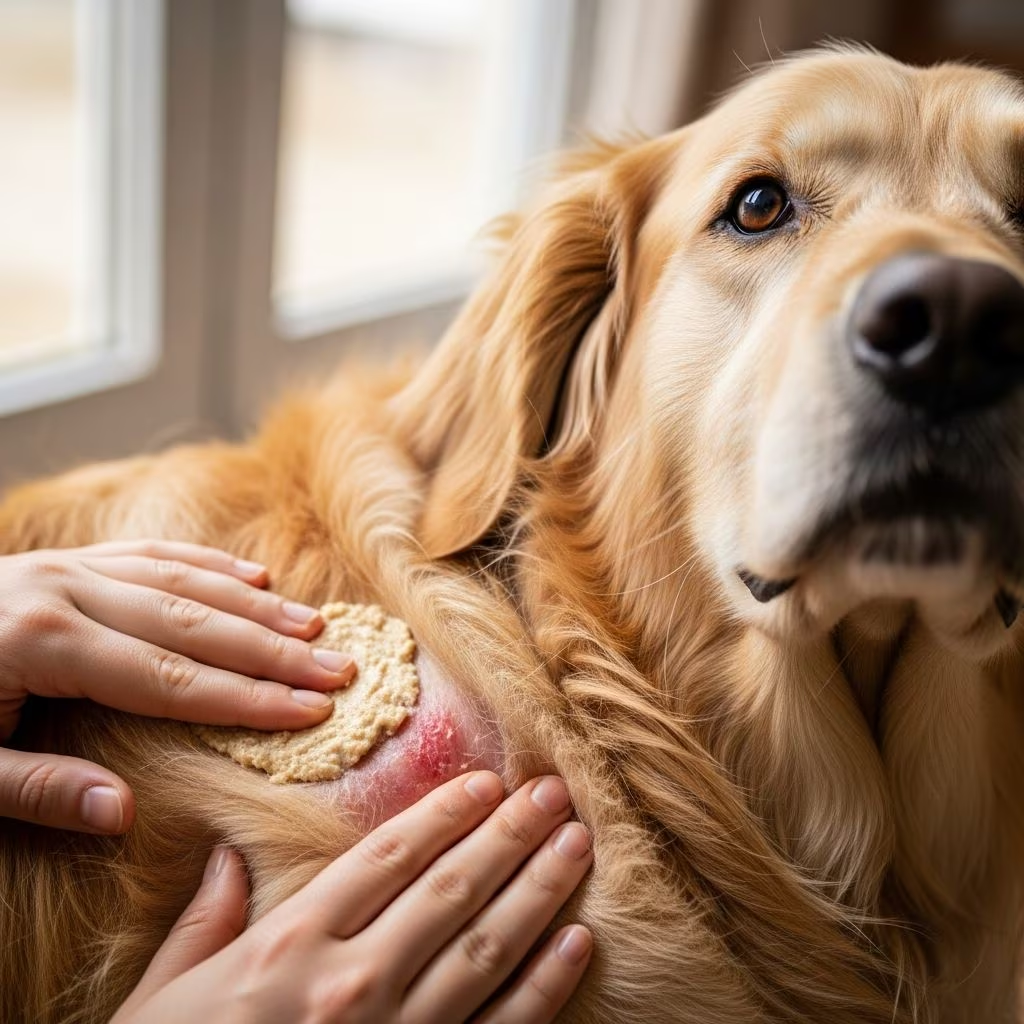
Dog hot spots, also known as acute moist dermatitis, are sudden, painful skin lesions that develop rapidly from excessive licking, scratching, or chewing. These inflamed areas often appear red, oozing, and warm to the touch, causing significant discomfort for pets. While professional veterinary care is crucial for severe cases, many mild instances respond well to targeted home interventions that reduce inflammation, prevent infection, and address root triggers.
Recognizing Hot Spots in Your Dog
Early detection is key to preventing escalation. Common signs include a bald, moist patch of skin that spreads quickly if ignored. Affected areas are typically found on the head, paws, hips, or tail base. Dogs may show restlessness, whining, or obsessive self-grooming behaviors. Unlike dry eczema or mange, hot spots feature rapid onset—often within hours—and secondary bacterial involvement due to saliva exposure.
- Visual cues: Red, swollen skin with pus or crusting.
- Behavioral signs: Intense itching leading to self-trauma.
- Common breeds affected: Thick-coated dogs like Golden Retrievers or Labradors, prone due to matted fur trapping moisture.
Primary Causes Behind Hot Spots
Hot spots rarely occur in isolation; they stem from underlying irritants that prompt self-inflicted damage. Allergies to food, pollen, or fleas represent top culprits, sparking itch cycles. Poor grooming, water exposure, or insect bites can initiate the problem, while humid weather exacerbates moisture buildup. Identifying and mitigating these factors prevents recurrence.
| Cause Category | Examples | Prevention Tip |
|---|---|---|
| Allergies | Fleas, pollen, food proteins | Regular flea preventives; hypoallergenic diet trials |
| Environmental | Water immersion, humidity | Thorough drying after baths or swims |
| Grooming Issues | Mats, long fur | Weekly brushing and trims |
| Infections | Bacterial overgrowth | Antibacterial shampoos |
Step-by-Step Home Treatment Protocol
Begin intervention immediately to halt progression. The process prioritizes hygiene, inflammation control, and barrier protection. Always wear gloves and work in a calm environment to minimize stress.
- Isolate and trim: Confine your dog to prevent further licking. Use pet clippers to shave a 2-inch margin around the lesion, exposing it to air.
- Cleanse thoroughly: Rinse with cool water, then apply a pet-safe antiseptic like chlorhexidine solution (0.05-0.1% dilution). Avoid alcohol-based products that sting.
- Cool the area: Use a cloth-wrapped ice pack for 5-10 minutes, 3-4 times daily, to constrict blood vessels and ease pain.
- Apply soothers: Follow with natural topicals once dry. Reassess daily; improvement should show within 48 hours.
- Protect: Fit an Elizabethan collar (cone) to block access. Distraction with toys aids compliance.
Top Natural Remedies for Relief
Several household staples offer antibacterial, anti-inflammatory benefits without harsh chemicals. Test a small patch first to rule out sensitivities.
Aloe Vera Gel Application
Pure, organic aloe vera gel cools and heals thanks to compounds like chromone, which combat inflammation and microbes. Extract from fresh leaves or buy 100% pet-safe versions. Dab thinly 2-3 times daily after cleaning; its vitamins accelerate tissue repair.
Coconut Oil Barrier
Rich in lauric acid, virgin coconut oil fights bacteria while moisturizing. Warm a pea-sized amount and massage gently. Internal use (1/4 tsp per 10 lbs body weight daily) supports skin health via fatty acids, reducing allergy-driven itches.
Herbal Tea Compresses
Chamomile tea, brewed strong and cooled, serves as a rinse or compress. Its apigenin soothes irritation and curbs bacterial growth. Soak a cloth for 10 minutes, twice daily. Combine with witch hazel for astringent drying effects.
Diluted Apple Cider Vinegar Spray
Mix 1:1 with water for an antifungal spray. Acetic acid dries weepy spots but skip open sores to avoid stinging. Apply post-cleaning, 2-3 times daily.
Supportive Over-the-Counter Aids
For added relief, vet-approved options complement naturals. Oral antihistamines like diphenhydramine (1 mg/lb every 8-12 hours) reduce itch, but confirm dosing with a professional. Pet-formulated hydrocortisone sprays provide targeted anti-inflammatory action.
- Chlorhexidine wipes: Ideal for ongoing sanitation.
- Antibacterial shampoos: Full-body baths weekly prevent satellite lesions.
When to Escalate to Veterinary Help
Home methods suffice for superficial spots under 2 inches, resolving in 3-7 days. Seek immediate care if the lesion expands, emits foul odor, or your dog spikes a fever. Deeper infections demand antibiotics or steroids. Recurrent cases signal allergies needing allergy testing or dietary overhaul.
Long-Term Prevention Strategies
Break the cycle by tackling predispositions. Maintain impeccable grooming: brush daily, bathe biweekly with oatmeal shampoos. Flea control is non-negotiable—use monthly topicals or orals. Omega-3 supplements (fish oil, 20 mg EPA/kg daily) bolster skin barriers against allergens. Monitor for early itch signs during allergy seasons.
Frequently Asked Questions
Can all hot spots be treated at home?
Mild, recent ones yes; large, chronic, or infected require vet intervention to prevent scarring.
Is hydrogen peroxide safe for cleaning?
Diluted mildly, but chlorhexidine is preferable as peroxide can delay healing.
How long until I see results?
24-72 hours with consistent care; no change warrants professional evaluation.
Will my dog lick off the remedies?
Cone use is essential; most naturals are non-toxic if ingested sparingly.
Are essential oils okay?
Avoid undiluted; tea tree or others can toxify dogs.
Holistic Skin Health Boosters
Beyond spot treatment, integrate diet tweaks: prioritize novel proteins like duck or salmon in limited-ingredient kibble. Probiotics enhance gut-skin axis, curbing allergy flares. Regular exercise reduces stress-induced grooming. Track patterns in a journal to pinpoint triggers.
Consistent application of these strategies empowers owners to manage hot spots proactively, minimizing vet bills and pet distress. Patience and vigilance yield the best outcomes.
References
- Hot Spots on Dogs: Causes, Treatments, and Home Remedies — GoodRx. 2023. https://www.goodrx.com/pet-health/dog/hot-spot-treatment-for-dogs-at-home
- Home Remedies for Treating Hot Spots on Dogs — ClearFur. 2024. https://clearfur.co/blogs/resources/home-remedies-for-treating-hot-spots-on-dogs
- Hot Spots in Dogs: Causes, Treatment, and Home Remedies — PetMD. 2024-10-15. https://www.petmd.com/dog/general-health/hot-spots-dogs
- Treating Hot Spot on Your Dog — FurEver Friends of North Carolina. 2023. https://fureverfriendsnc.org/treating-hot-spot-on-your-dog/
- DIY Hot Spot Spray for Dogs — The Pet Gourmet. 2024. https://www.thepetgourmet.com/blogs/pet-owners-tips-and-tricks/diy-hot-spot-spray-for-dogs
- Home Remedies for Your Dog’s Itchy Skin — PetMD. 2024. https://www.petmd.com/dog/general-health/home-remedies-for-dog-itchy-skin



