

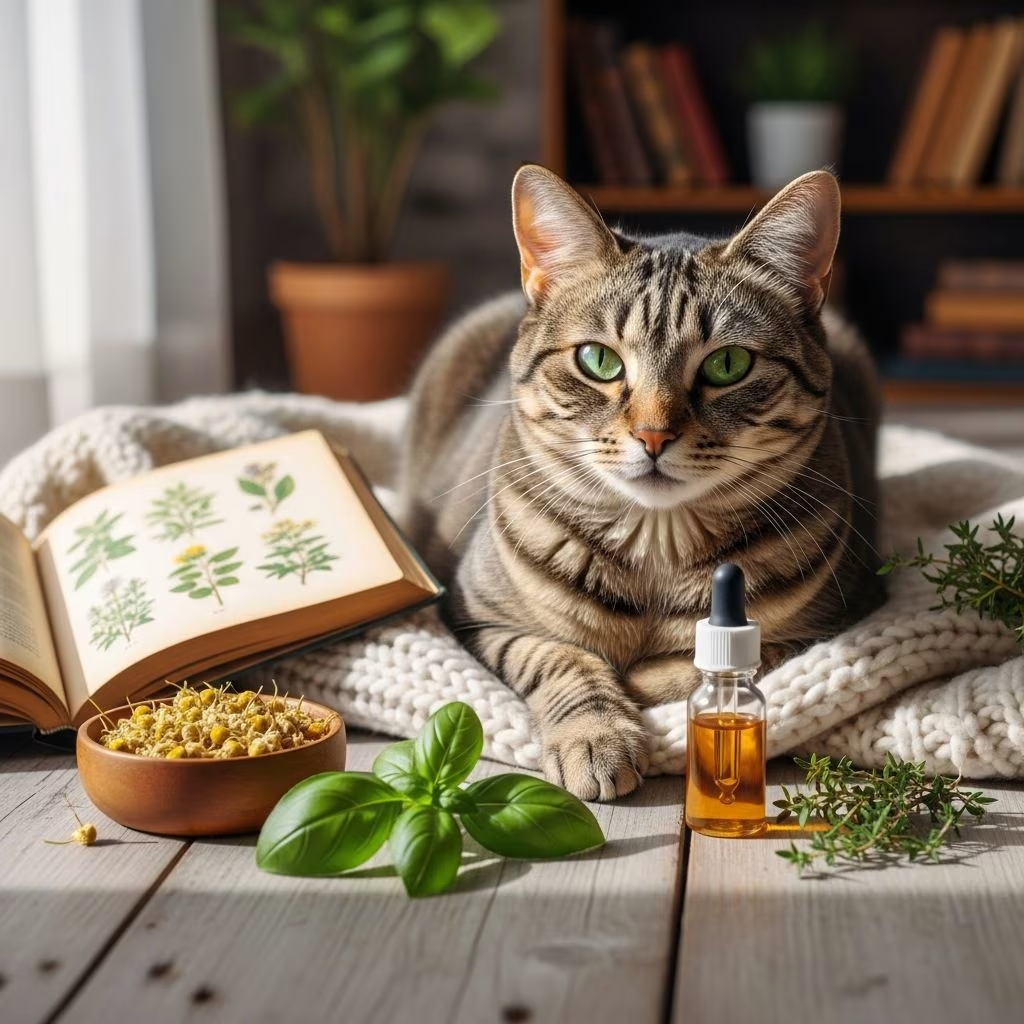
Cats often experience sneezing and coughing due to upper respiratory infections, allergens, or irritants, but many cases can be managed at home with simple, supportive measures. These approaches focus on symptom relief, hydration, and a clean environment to help your pet recover comfortably without immediate veterinary intervention.
Understanding Common Causes of Feline Respiratory Distress
Sneezing in cats frequently stems from viral infections like feline herpesvirus or calicivirus, which mimic human colds with congestion and discharge. Coughing may signal asthma, hairballs, parasites, or bacterial complications. Environmental factors such as dust, pollen, or strong scents exacerbate these issues, leading to inflammation in the airways.
Recognizing patterns is key: occasional sneezes might indicate irritants, while persistent coughing with lethargy points to infections needing monitoring. Hairballs often produce a hacking sound followed by expulsion, distinguishing them from infectious coughs.
Creating an Optimal Recovery Environment
A stress-free, clean space accelerates healing. Maintain moderate room temperatures to avoid chilling, and isolate affected cats from others to prevent spread.
- Ventilation: Open windows for fresh air circulation, ensuring screens prevent escapes, to dilute airborne irritants.
- Cleanliness: Regularly sanitize feeding areas, litter boxes, and bedding using unscented products. Opt for low-dust litters to minimize particle inhalation.
- Air Purification: Employ air purifiers to filter allergens, dust, and pathogens, fostering clearer breathing.
These adjustments reduce secondary irritations, allowing your cat’s immune system to focus on recovery.
Humidity and Steam Therapies for Congestion Relief
Dry air worsens nasal and throat irritation, so increasing moisture is a cornerstone remedy. Humidifiers add vapor to the atmosphere, loosening mucus and soothing inflamed tissues.
Place a cool-mist unit near your cat’s resting area, cleaning it daily to prevent bacterial growth. For targeted steam sessions, run a hot shower and sit with your cat in the bathroom for 10-15 minutes, 1-2 times daily. This mimics natural decongestion without chemicals.
| Method | Benefits | Frequency | Precautions |
|---|---|---|---|
| Humidifier | Moistens airways, reduces inflammation | Continuous use | Clean daily; use distilled water |
| Steam Shower | Loosens mucus quickly | 1-2x daily, 10 min | Supervise to avoid burns |
| Air Purifier | Removes allergens | 24/7 | HEPA filter preferred |
Gentle Cleaning Routines for Face and Nose
Discharge buildup irritates eyes and nostrils, inviting infections. Wipe gently with a soft cloth soaked in warm water or saline solution, dabbing rather than rubbing.
For saline, use vet-approved pediatric drops or a homemade mix (1/4 tsp non-iodized salt in 8 oz boiled, cooled water). Apply 2-3 drops per nostril if congestion persists, but consult your vet first. Perform cleanings 3-4 times daily, drying the area softly afterward.
Boosting Appetite and Hydration During Illness
Congested cats lose smell-driven appetite, risking dehydration. Warm wet food slightly to enhance aromas, or mix in low-sodium broth/tuna water for appeal.
- Offer palatable options: warmed pate, sardines, or kitten food for softness.
- Ensure multiple fresh water sources; fountains encourage drinking.
- Monitor intake: less than half normal warrants vet attention.
Probiotics support gut health, bolstering immunity—vet-approved brands only. L-lysine supplements aid herpesvirus cases, but dosage requires professional guidance.
Comfort Measures and Rest Promotion
Provide plush bedding in a quiet, draft-free zone. Gentle petting reduces stress, which hampers immunity. Avoid handling excessively, respecting your cat’s cues.
For coughs, a warm compress on the chest (damp cloth microwaved briefly) eases discomfort. Never use human meds like cough syrups—they’re toxic.
Daily Care Plan for Respiratory Symptoms
Implement this 7-day routine for mild cases:
- Morning: Clean face/nose, offer warmed food, check humidifier.
- Midday: Steam session, fresh water refill.
- Afternoon: Wipe discharge, probiotic if prescribed.
- Evening: Ventilation check, comforting space setup.
- Monitor: Track symptoms; improve in 3-5 days expected.
Adjust based on response, always prioritizing vet input for antibiotics or antivirals if bacterial.
When Home Remedies Aren’t Enough: Vet Intervention
Seek immediate care if symptoms include labored breathing, refusal to eat >24 hours, green discharge, fever, or persistence beyond 7 days. Diagnostics may reveal asthma (bronchodilators like albuterol), parasites (anti-parasitics), or tumors needing surgery.
Vets prescribe targeted meds: antibiotics for secondary infections, antivirals for viruses. Early action prevents chronic issues.
Prevention Strategies for Long-Term Respiratory Health
Minimize risks with annual vaccines, parasite control, and hypoallergenic environments. Regular grooming curbs hairballs; omega-3 supplements reduce inflammation.
- Vaccinate against core respiratory viruses.
- Use dust-free litter and unscented cleaners.
- Annual check-ups detect issues early.
Frequently Asked Questions (FAQs)
Is sneezing always a sign of illness in cats?
No, occasional sneezes can result from dust or play, but clusters with discharge indicate infection.
Can I use essential oils for my coughing cat?
Avoid them; many are toxic via inhalation or skin. Stick to humidity.
How long do cat colds typically last?
7-10 days with supportive care; longer needs vet evaluation.
Are over-the-counter antihistamines safe?
Benadryl may help allergies (vet-dosed), but no decongestants.
What if my cat coughs up hairballs frequently?
Use OTC hairball remedies and brush regularly.
References
References
- What Can I Give My Cat for Sneezing? — Whisker. 2023. https://www.whisker.com/blog/what-can-i-give-my-cat-for-sneezing
- Home Remedies for Cat Colds — Pet Angel Funerals. 2024. https://www.petangel.com.au/home-remedies-for-cat-colds/
- Cat Coughing: Why It Happens and When To Call Your Vet — PetMD. 2024-01-15. https://www.petmd.com/cat/symptom/cat-coughing
- Remedies for Cat Colds — Devine Feed and Pet. 2023. https://devinefeedandpet.com/blog/80689/remedies-for-cat-colds
- Why Is My Cat Sneezing? — Trudell Animal Health. 2024. https://trudellanimalhealth.com/blogs/blog/why-is-my-cat-sneezing
- Remedies for Sneezing Cat — Berthoud Animal Hospital. 2023-11-20. https://berthoudanimalhospital.com/blog/remedies-for-sneezing-cat/



