

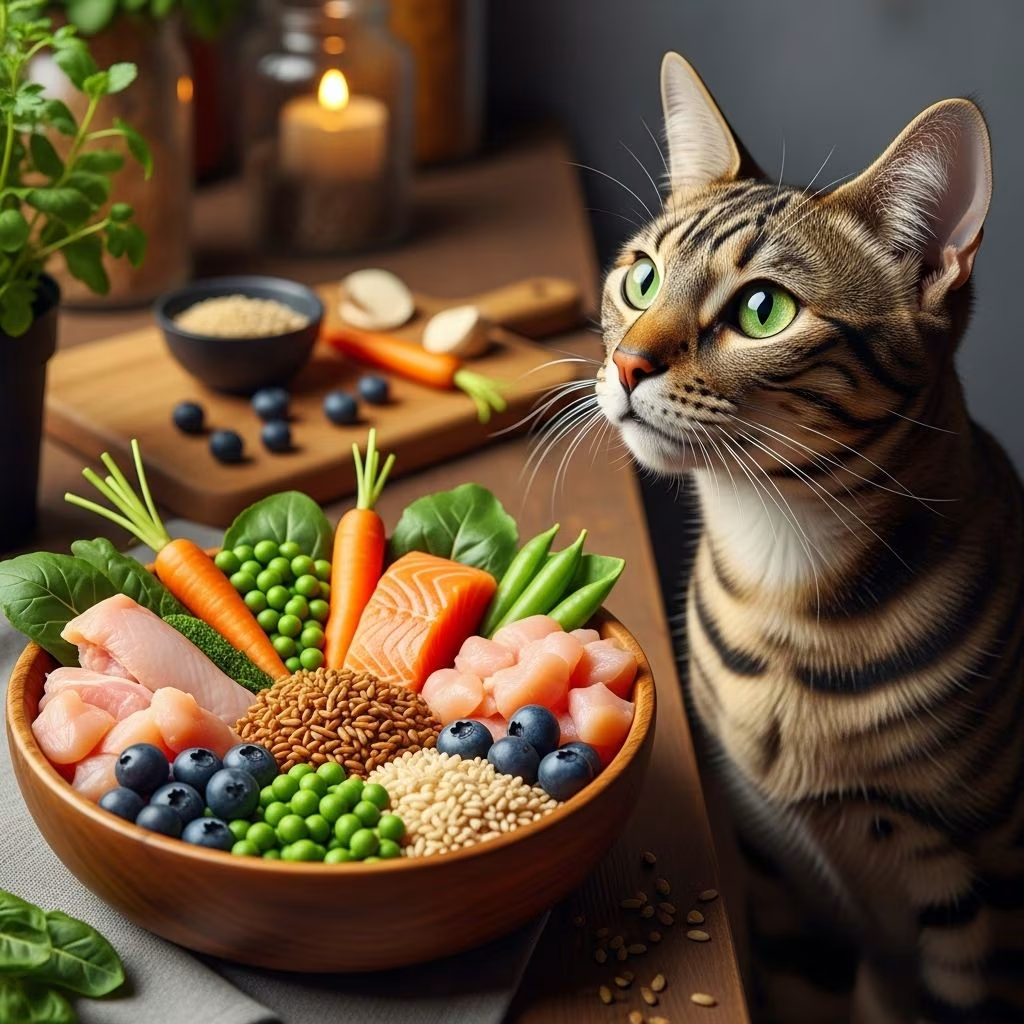
What Is Natural Cat Food?
Natural cat food represents a nutritional approach that prioritizes whole, minimally processed ingredients designed to mirror what felines would consume in nature. Unlike conventional commercial cat foods that often contain artificial additives, by-products, and fillers, natural cat food focuses on delivering high-quality protein sources, essential nutrients, and beneficial ingredients that support optimal feline health.
The foundation of natural cat food lies in understanding that cats are obligate carnivores, meaning their bodies are biologically designed to thrive on a diet primarily composed of animal proteins and nutrients. This fundamental biological reality shapes the entire composition of quality natural cat food formulations, distinguishing them from general pet foods.
What Ingredients Are in Natural Cat Food?
Understanding the ingredient profile of natural cat food helps pet owners make informed decisions about their cat’s nutrition. Each ingredient category plays a specific role in supporting feline health and wellness.
Protein Sources
Protein serves as the cornerstone of any natural cat food formulation. Cats require animal-based proteins to maintain their health and vitality, with high-quality protein sources being more easily digestible than low-quality alternatives found in conventional cat foods. These proteins provide essential amino acids crucial for muscle development, immune system support, and maintaining healthy skin and fur.
Quality natural cat foods typically feature real meat as the first ingredient, which may include:
- Chicken
- Turkey
- Fish
- Beef
- Lamb
- Rabbit
- Duck
- Organ meats
While meat meals and meat byproduct meals can also appear in natural cat foods, the highest quality products prioritize whole meat proteins that closely mimic what cats would naturally consume in the wild.
Fruits and Vegetables
Although cats don’t require produce to thrive, many natural cat food formulations include small amounts of fruits and vegetables, typically comprising 5 percent or less of the total formula. These additions provide supplementary benefits through their antioxidant and fiber content.
Common produce additions include:
- Carrots
- Pumpkin
- Blueberries
- Cranberries
These ingredients supply health-promoting antioxidants and fiber that support digestive function and overall wellness. Superfoods like cranberries and blueberries are particularly rich in antioxidants and help support healthy digestion while reducing the risk of certain diseases.
Carbohydrates
Natural cat foods approach carbohydrates with varying strategies depending on individual formulations and target health outcomes. Some formulas incorporate grains such as brown rice, barley, or oats, which provide digestible carbohydrate sources.
Alternatively, grain-free formulations utilize alternative carbohydrate sources including:
- Sweet potatoes
- Potatoes
- Legumes
Grain-free diets may be particularly beneficial for cats with grain allergies, digestive issues, or weight management needs. When selecting carbohydrate sources, whole grains offer more nutritional value than refined alternatives.
Fats
Fats are necessary for a cat’s overall health and energy metabolism. In natural cat food, fats may originate from protein sources themselves or be added as supplementary sources like fish oil or flaxseed, which provide omega-3 and omega-6 fatty acids. These essential fatty acids support immune function and reduce inflammation throughout the body.
When evaluating fat sources, animal-based fats such as chicken fat or fish oil are more readily absorbed and utilized by your cat’s body compared to plant-based fats, which offer limited feline nutritional value.
Added Nutrients
Although not naturally occurring, the AAFCO (Association of American Feed Control Officials) permits cat food with added vitamins, minerals, and amino acids to be labeled as natural. This allowance exists because cats require specific nutrients in precise amounts for optimal health, including taurine for eye health and balanced vitamins and minerals for overall body function.
When synthetic supplements are added to natural cat food, the packaging will include a disclaimer stating the food is “natural with added vitamins and minerals.” Taurine, an amino acid essential for cat eye health and cardiac function, is particularly important to verify on ingredient labels.
What Are the Benefits of Natural Cat Food?
When carefully formulated and nutritionally balanced, natural cat food offers numerous potential benefits for feline companions. According to veterinary experts, these benefits extend across multiple dimensions of cat health and longevity.
Improved Digestion and Nutrient Absorption
Natural cat food significantly enhances digestive health by incorporating high-quality, easily digestible ingredients that closely resemble the diet cats’ ancestors consumed. The focus on digestibility helps reduce gastrointestinal upset such as vomiting and diarrhea, which are often triggered by poor-quality ingredients and fillers in conventional cat foods. Better digestion translates to increased absorption of nutrients and healthier-looking stools.
Enhanced Skin and Coat Appearance
High-quality, natural ingredients often promote healthier skin and a shinier coat due to their higher nutritional value. The abundant presence of omega fatty acids, essential amino acids, and vitamins in natural formulations directly supports skin health and fur quality, resulting in visible improvements in coat appearance and texture.
Better Weight Management
Natural cat foods are typically rich in high-quality protein sources that help maintain lean muscle mass, which is particularly important for weight management. Lean muscle helps cats stay active and burn more calories, preventing the accumulation of excess fat. Additionally, natural cat foods often feature controlled caloric density, providing the right amount of calories per serving to meet a cat’s energy needs without promoting weight gain. This controlled approach helps prevent overfeeding and allows for better portion control, both crucial for managing cat weight effectively.
Higher Energy Levels
The nutrient-dense profile of natural cat food supports optimal metabolic function, enabling cats to maintain higher energy levels throughout their day. This improved vitality contributes to increased activity, better engagement with their environment, and overall quality of life.
Brighter Eyes and Overall Vitality
Essential nutrients, particularly taurine found in natural cat foods, directly support eye health and brightness. The comprehensive nutritional profile supports multiple body systems, resulting in observable improvements in overall appearance and vitality.
Reduced Food-Related Allergies
Many cats suffer from food-related allergies triggered by artificial additives, fillers, and low-quality ingredients in conventional foods. Natural cat food, with its focus on whole ingredients and absence of artificial components, often reduces allergic reactions and food sensitivities.
Improved Health Conditions and Longevity
A well-balanced natural diet that meets all nutritional needs supports immune system function, helps maintain healthy weight, and provides essential nutrients that keep the body functioning optimally. This holistic approach reduces the risk of chronic conditions such as diabetes, kidney disease, and urinary tract problems, which are often linked to poor diet and nutrition. The consistent intake of nutrient-rich food strengthens resilience against illness and supports a robust immune system, contributing to enhanced longevity and quality of life.
Vet-Recommended Natural Cat Food Options
Veterinary professionals recommend several high-quality natural cat food options based on clinical experience and nutritional efficacy. According to Dr. Bethany Hsia, DVM, co-founder of CodaPet in Clovis, California, the following formulations provide exceptional nutritional support:
Original Instinct Real Chicken Pate
For overweight and pre-diabetic cats, Dr. Hsia particularly recommends Original Instinct real chicken pate. When fed in appropriate amounts, this wet cat food has helped her patients lose weight and improve their blood glucose levels. Made with all natural ingredients, this savory, whole-food recipe contains 95 percent chicken, turkey and chicken liver; 5 percent fruits, vegetables and other nutritious ingredients, like flaxseed; and essential vitamins and minerals. The formula is free of grain, potato, corn, soy, wheat, artificial colors and preservatives.
High-Quality Protein-Rich Formulations
Dr. Hsia also recommends high-quality, protein-rich cat food for kitties with hepatic lipidosis, commonly known as fatty liver syndrome. This food provides necessary amino acids for liver repair and helps maintain muscle mass often lost in these cats. Blue Buffalo Wilderness Wild Delights Flaked Wet Cat Food exemplifies this category, as it is low in carbs and high in moisture and protein, making it an excellent option for cats with obesity, diabetes and hepatic lipidosis.
How to Select Quality Natural Cat Food
Making informed decisions about natural cat food requires understanding how to evaluate ingredient labels and nutritional information effectively.
Reading Ingredient Labels Carefully
The first ingredient listed should be a specific, identifiable meat source rather than vague descriptions like “meat by-products” or “animal digest.” Look for ingredient lists that prioritize whole proteins and minimize fillers or by-products.
Verifying Essential Nutrients
Pay close attention to the inclusion of essential vitamins and minerals that support overall health. Taurine is vital for cat eye health, while balanced omega fatty acids support skin and coat health. If grains are included, they should be whole grains like brown rice or barley, as they offer more nutritional value than refined grains.
Evaluating Fat Sources
Choose natural cat foods featuring animal-based fats such as chicken fat or fish oil, as these are more readily absorbed and utilized by your cat’s body. Avoid plant-based fats and unhealthy fat sources like rendered fats or by-products.
The Importance of Hydration in Natural Cat Food
Adequate water intake is crucial for cats to properly digest food. Water helps break down food, allowing for smoother transit through the gastrointestinal tract and easier absorption of nutrients. Hydration also helps dissolve minerals and other nutrients, making them more accessible for the body to absorb and use. Furthermore, proper hydration is key in preventing constipation, a common problem in cats, especially as they age or if they consume dry food diets predominantly.
Transitioning to Natural Cat Food
When introducing natural cat food to your feline companion’s diet, it’s essential to remember that not all cats are the same, and what works for one cat may not work for another. Always consult with a veterinarian before making significant changes to your cat’s diet, especially if your cat has specific health needs or allergies. A gradual transition period typically helps cats adjust to new food without digestive upset.
Fresh vs. Processed Natural Cat Food
Fresh cat food is often made with high-quality, natural ingredients that are minimally processed. This helps retain more nutrients, which can support your cat’s overall health, energy levels, and digestion compared to traditional canned or dry food. A properly balanced raw diet for cats can also be highly beneficial when appropriately formulated to provide the right balance of nutrients.
Conclusion
Natural cat food represents a comprehensive approach to feline nutrition that prioritizes whole ingredients, high-quality proteins, and balanced nutrient profiles. By feeding your cat a holistic, natural diet, you can support improved digestion, weight management, enhanced coat health, and increased longevity. Understanding ingredient labels, consulting with veterinary professionals, and gradually introducing dietary changes ensures your cat receives optimal nutrition for their specific health needs. The investment in natural cat food pays dividends through visible improvements in your cat’s health, energy, appearance, and overall quality of life.
Frequently Asked Questions (FAQs)
Q: What makes natural cat food different from regular commercial cat food?
A: Natural cat food prioritizes whole, minimally processed ingredients with high-quality proteins and fewer artificial additives, fillers, and by-products compared to conventional commercial cat foods. This approach more closely mirrors what cats would naturally consume.
Q: Is natural cat food suitable for all cats?
A: While natural cat food benefits most cats, individual needs vary. Cats with specific health conditions, allergies, or dietary requirements may benefit from particular formulations. Always consult your veterinarian before making significant dietary changes.
Q: Can natural cat food help with weight management?
A: Yes, natural cat food supports weight management through high-quality proteins that maintain lean muscle mass, controlled caloric density, and balanced nutrient profiles that regulate metabolism and energy levels.
Q: What should I look for first on a natural cat food label?
A: The first ingredient should be a specific, identifiable meat source like chicken, turkey, or fish rather than vague descriptions like “meat by-products” or “animal digest.” This indicates quality protein as the primary ingredient.
Q: Is grain-free natural cat food better than grain-inclusive options?
A: Grain-free natural cat food may be beneficial for cats with grain allergies or digestive issues, while grain-inclusive options with whole grains like brown rice or barley provide nutritional value. The best choice depends on your individual cat’s health needs.
Q: How should I transition my cat to natural food?
A: Gradual transition over 7-10 days helps prevent digestive upset. Mix increasing amounts of natural cat food with the previous food, allowing your cat’s digestive system to adjust to the new diet.
References
- Holistic Feline Nutrition: The Advantages of Natural Cat Food — Love Nala. 2025. https://www.lovenala.com/blogs/nutrition-for-cats/holistic-feline-nutrition-the-advantages-of-natural-cat-food
- What Is Natural Cat Food? And Should My Cat Eat It? — Chewy. 2025. https://www.chewy.com/education/cat/food-and-nutrition/natural-cat-food
- How Natural Cat Food Supports Feline Weight Management — Verus Pet Foods. 2025. https://www.veruspetfoods.com/blog/how-natural-cat-food-supports-feline-weight-management/
- Natural cat food and natural diet for cats — PrimaCat. 2025. https://www.primacat.com/en/cat-facts/feeding-cat/natural-cat-food-and-natural-diet-cats
- Top 10 Superfoods for Cats: Boosting Health with Natural Ingredients — The Cat Ladies. 2025. https://thecatladies.com/blogs/news/top-10-superfoods-for-cats-boosting-health-with-natural-ingredients
- Fresh Cat Food: Why It’s Worth the Investment — BJ’s Raw Pet Food. 2025. https://www.bjsrawpetfood.com/blogs/all/fresh-cat-food-why-its-worth-the-investment



