

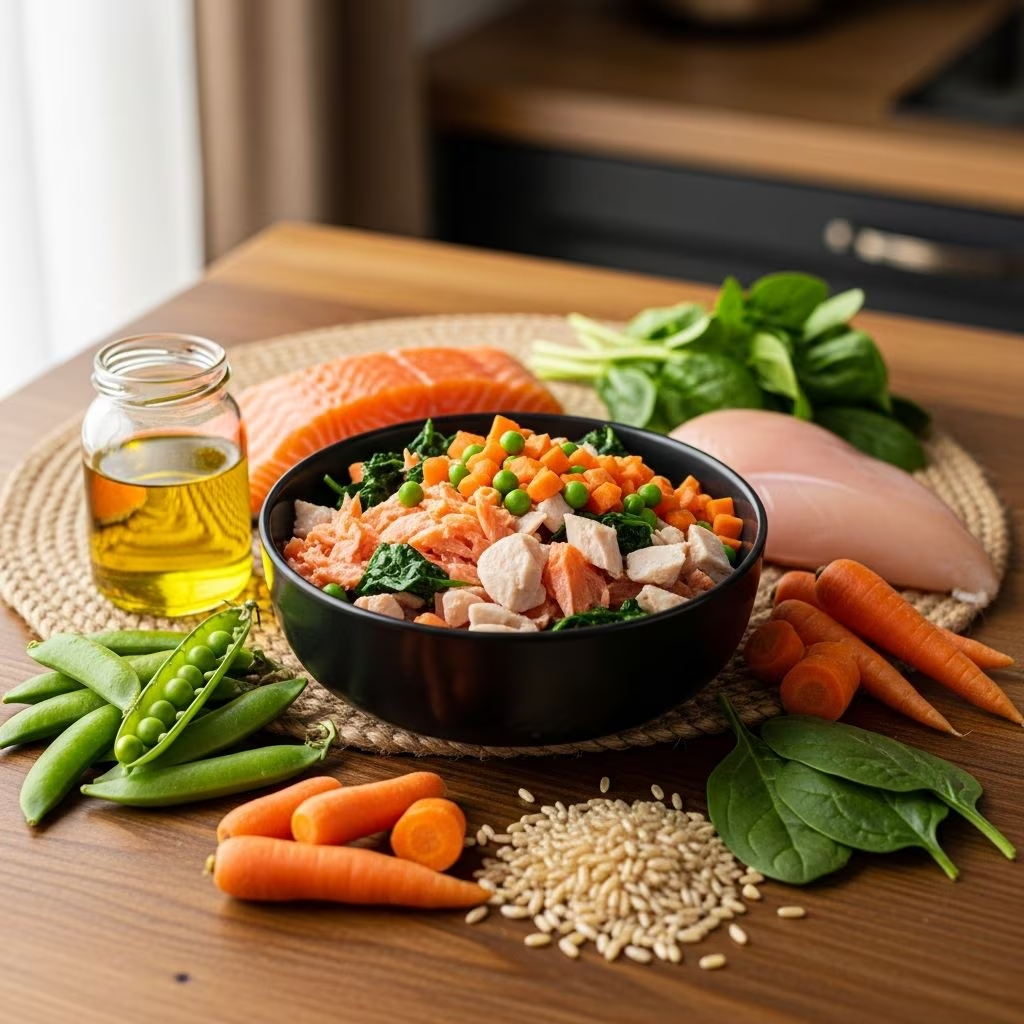
Cats thrive on diets mimicking their ancestral wild meals, prioritizing animal proteins and minimal processing. Natural cat food delivers these elements, promoting superior health outcomes compared to conventional options loaded with fillers.
Understanding Feline Dietary Needs
As obligate carnivores, cats require diets dominated by meat-based proteins to fulfill essential amino acid needs like taurine for heart and vision health. Unlike dogs, felines derive minimal benefit from plant carbohydrates, making high-protein, low-carb formulas ideal.
Key nutritional pillars include:
- Protein: 30-50% from named meats like chicken or fish for muscle repair.
- Fats: 20-40% from animal sources for energy and skin health.
- Moisture: Wet foods aid hydration, crucial for kidney function.
Core Advantages of Natural Formulations
Natural cat foods exclude by-products, artificial colors, and preservatives, using whole ingredients for better bioavailability. Studies link such diets to extended lifespan and fewer chronic issues.
Boosted Energy and Ideal Weight Control
Nutrient-dense calories from quality proteins sustain activity without excess carbs that spur obesity. Indoor cats benefit from controlled portions, maintaining lean muscle via high protein. Natural fibers like pumpkin enhance satiety, reducing overeating.
Superior Digestive Wellness
Easily digestible ingredients minimize vomiting and diarrhea common in filler-heavy foods. High meat content ensures smoother nutrient uptake and firmer, less odorous stools. Hydration from wet varieties prevents constipation.
Gleaming Coat and Vibrant Skin
Omega-rich animal fats like fish oil reduce shedding and inflammation, yielding silky fur. Antioxidants from limited fruits support dermal integrity.
Fortified Immunity and Longevity
Balanced vitamins, minerals, and proteins bolster defenses against infections. Reduced chronic disease risk, including diabetes and urinary issues, stems from optimal nutrition. Cats on these diets often exhibit brighter eyes and heightened vitality.
Decoding Ingredient Labels
Regulatory bodies like AAFCO define ‘natural’ loosely, but prioritize foods listing specific meats first, avoiding ‘by-products’ or vague ‘meals’. Scan for:
| Good Indicators | Avoid |
|---|---|
| Chicken, salmon, turkey as #1 | Meat by-products, corn, artificial flavors |
| Whole grains or grain-free (e.g., peas) | Excess carbs >20% |
| Taurine, omegas listed | Colors, preservatives like BHA |
Examples: A natural salmon food might read ‘salmon, chicken liver, broth’ versus conventional ‘salmon, by-products, artificial flavors’.
Types of Natural Cat Foods
Diverse formats cater to preferences:
- Wet/Canned: High moisture (78-85%) for urinary health; protein-rich pates or chunks.
- Dry Kibble: Convenient, but pair with water; seek low-carb, meat-forward recipes.
- Raw/Freeze-Dried: Mimics prey; nutrient-preserved but requires safe handling.
- Semi-Moist: Balanced moisture with natural preservatives.
Transition gradually over 7-10 days to avoid tummy upset: mix 25% new with 75% old, increasing incrementally.
Selecting the Best for Your Cat
Consider age, activity, and health:
- Kittens: Higher protein/fat for growth.
- Seniors: Joint-supporting glucosamine, lower calories.
- Weight Issues: High-protein, low-cal formulas.
- Allergies: Grain-free or novel proteins like duck.
Consult vets for tailored advice, especially with conditions like renal disease.
Practical Feeding Tips
Portion based on caloric needs: 20-30 kcal/lb body weight daily, adjusted for lifestyle. Multiple small meals mimic hunting. Always provide fresh water; fountains encourage intake. Monitor weight monthly, tweaking as needed.
Potential Drawbacks and Solutions
Cost: Higher upfront, but efficiency means less volume. Shelf life: Refrigerate opened wets. Availability: Stock reputable brands meeting AAFCO standards.
FAQs
What defines natural cat food?
Minimal processing with recognizable ingredients, no synthetics; verify via labels.
Is grain-free always better?
Not necessarily; balanced carbs aid some, but prioritize protein.
Can all cats switch to natural?
Yes, with gradual transition; vet-check for special needs.
How does it impact longevity?
Supports immunity, weight, reducing disease risk for healthier years.
Raw safe for home feeding?
Possible with hygiene; commercial raw ensures balance.
Real-World Outcomes
Owners report shinier coats, peppier play, and vet bill drops post-switch. One study noted weight stabilization on moisture-rich diets versus dry.
References
- 7 Major Benefits of All Natural Cat Food — Snappy Tom. 2023. https://www.snappytom.com/post/7-major-benefits-of-all-natural-cat-food
- Holistic Feline Nutrition: The Advantages of Natural Cat Food — Love Nala. 2024. https://www.lovenala.com/blogs/nutrition-for-cats/holistic-feline-nutrition-the-advantages-of-natural-cat-food
- A Quick Guide to Choosing the Best Natural Cat Food — Only Natural Pet. 2024. https://www.onlynaturalpet.com/blogs/holistic-healthcare-library/a-quick-guide-to-choosing-the-best-natural-cat-food
- What Is Natural Cat Food? And Should My Cat Eat It? — Chewy. 2025. https://www.chewy.com/education/cat/food-and-nutrition/natural-cat-food
- How Natural Cat Food Supports Feline Weight Management — Verus Pet Foods. 2024. https://www.veruspetfoods.com/blog/how-natural-cat-food-supports-feline-weight-management/
- What’s in Natural Cat Food and Holistic Cat Food? — PetMD. 2024. https://www.petmd.com/cat/nutrition/whats-natural-cat-food-and-holistic-cat-food
- Commercial vs Homemade Cat Diets: What you need to know — PMC (NCBI). 2024-05-15. https://pmc.ncbi.nlm.nih.gov/articles/PMC11104037/



