

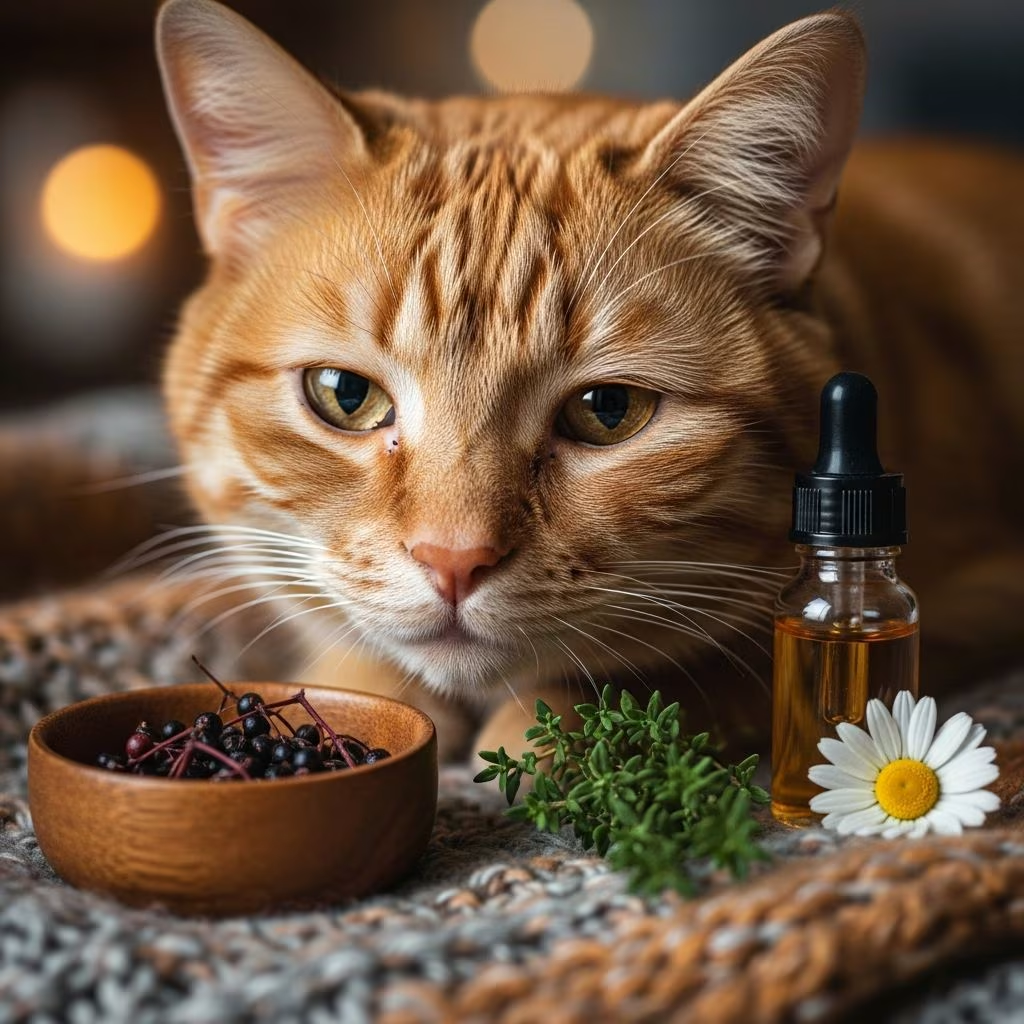
Upper respiratory infections in cats, often called cat colds, cause discomfort through sneezing, nasal discharge, and watery eyes. These conditions typically stem from viral agents like feline herpesvirus or calicivirus, which spread easily in multi-cat environments. While antibiotics may address secondary bacterial issues, natural remedies focus on symptom relief, immune enhancement, and supportive care to aid recovery. Home strategies can significantly improve your cat’s comfort during these episodes.
Recognizing Signs of a Cat Cold
Early detection allows timely intervention. Common indicators include persistent sneezing, clear or thick nasal discharge, excessive eye watering, coughing, and reduced appetite due to smell impairment. Lethargy, fever, and mouth ulcers may also appear. Monitor gums for dehydration signs: healthy ones are pink and moist, while dry, tacky, red gums signal problems. Observe elimination: normal stools resemble firm tootsie rolls, with regular urination essential. Appetite loss beyond 24 hours risks fatty liver disease, necessitating veterinary attention.
Environmental Adjustments for Relief
Creating a supportive home environment eases breathing and promotes healing. Key steps include:
- Steam Therapy: Run a hot shower in a closed bathroom and sit with your cat for 10-15 minutes daily. The moisture loosens mucus, clearing nasal passages.
- Humidifiers: Use a cool-mist unit in a small room, limiting exposure to 30 minutes. Avoid essential oils unless pet-safe, like diluted lavender for calming.
- Ventilation: Ensure fresh air circulation by opening windows safely, isolating the sick cat to prevent spread.
- Warmth: Provide cozy bedding in a draft-free area to conserve energy.
These measures hydrate airways and reduce irritants, mimicking professional nebulization.
Nutritional Support and Hydration Strategies
Congestion hampers eating, critical for cats as obligate carnivores. Tempt with warmed wet food, tuna juice, or sardines to stimulate smell. Offer multiple fresh water sources, including fountains, to encourage drinking. For hydration checks, pinch skin on the neck: it should snap back instantly. Dehydrated cats need subcutaneous fluids from a vet.
| Strategy | Purpose | Tips |
|---|---|---|
| Warm Wet Food | Enhances Aroma | Microwave briefly; mix with broth |
| Tuna Juice | Boosts Hydration | Dilute with water; low-sodium |
| Probiotics | Gut-Immune Health | Vet-approved strains daily |
Herbal and Supplemental Boosters
Natural supplements target immunity and antiviral effects. L-Lysine inhibits feline herpesvirus replication: 500mg daily for prevention, up to 1000mg twice daily when ill. Vitamin C acts as an antioxidant: 500mg daily preventive, 1000mg twice daily for treatment. Apple cider vinegar (1/2 tablespoon in food) offers antimicrobial benefits, aiding pH balance.
Homeopathic options include blends with Hepar Sulph for coughs, Echinacea for discharge, and Arnica for throat irritation. Prana Pets’ formula uses Eupatorium perfoliatum for colds and Mullein for coughs. Always consult vets before starting, especially with medications.
Sample Supplement Regimen
- Days 1-3 (Acute Phase): L-Lysine 1000mg BID, Vitamin C 1000mg BID, steam twice daily.
- Days 4-7 (Recovery): Reduce to 500mg daily, add probiotics.
- Maintenance: L-Lysine 500mg daily year-round in high-risk cats.
Gentle Cleaning and Hygiene Practices
Discharge buildup leads to secondary infections. Wipe eyes and nose with a warm, damp cloth or saline solution twice daily. Use soft tissues to avoid irritation. For crusty eyes, apply vet-approved saline drops. Keep bedding clean to minimize bacterial growth.
Holistic Prevention Methods
Prevent recurrences through lifestyle tweaks. Maintain a clean litter box, vacuum regularly to cut allergens, and minimize stress with play and pheromones. Annual vet checkups catch carriers. Boost immunity with quality diet rich in omega-3s and probiotics. Isolate new cats for 2 weeks.
Seven-Day Recovery Roadmap
This structured plan supports mild cases; escalate to vet if worsening.
- Day 1: Assess symptoms, start steam, clean face, offer enticing food.
- Day 2: Introduce supplements, monitor intake/output.
- Day 3: Add humidifier, check gums/weight.
- Day 4: Evaluate progress; vet if no improvement.
- Day 5: Continue hydration focus, light play.
- Day 6: Taper supplements if better.
- Day 7: Full assessment; plan prevention.
When to Seek Professional Help
Natural remedies suit mild cases, but persistent symptoms over 3-5 days, breathing distress, refusal to eat/drink beyond 24 hours, or green discharge demand vet care. Diagnostics like PCR tests identify viruses; treatments may include antivirals or fluids. Kittens, seniors, or immunocompromised cats require prompt attention.
Frequently Asked Questions
Can cats catch human colds?
No, feline colds are species-specific viruses.
Is apple cider vinegar safe for cats?
In small diluted doses, yes, but consult vet.
How long do cat colds last?
Typically 7-10 days with care; chronic in carriers.
Are essential oils okay?
Use sparingly; many are toxic. Stick to vet-recommended.
Can vaccines prevent cat colds?
Core vaccines reduce severity of calicivirus/herpesvirus.
Long-Term Respiratory Wellness
Beyond acute care, foster resilience with balanced nutrition, exercise, and stress reduction. Regular grooming prevents eye issues. Monitor for chronic rhinitis signs, managed with environmental controls and supplements.
Integrating these remedies empowers proactive care, potentially shortening illness duration and enhancing quality of life. Track progress diligently, prioritizing veterinary guidance for optimal outcomes.
References
- Cat Colds: Natural Home Remedies — Chagrin Falls Pet Clinic. 2016-06-05. https://www.chagrinfallspetclinic.com/2016/06/05/natural-home-remedies-cat-colds/
- Cat Respiratory Infection Treatment — BestLife4Pets. N/A. https://www.bestlife4pets.com/products/cat-respiratory-infection-treatment
- Home Remedies for Cat Colds — Pet Angel. N/A. https://www.petangel.com.au/home-remedies-for-cat-colds/
- Cold Symptom Support for Cats — Prana Pets. N/A. https://www.pranapets.com/products/cold-symptom-support-for-cats
- Home Remedies to Treat Your Cat’s Cold — PetCareRx. N/A. https://www.petcarerx.com/article/home-remedies-to-treat-your-cats-cold/5503
- CAT COLD TREATMENT at HOME — YouTube (PetMD-related). N/A. https://www.youtube.com/watch?v=Yn6H5sXiI2s
- Cat Colds: Symptoms, Causes, and Treatment — PetMD. N/A. https://www.petmd.com/cat/conditions/respiratory/cat-colds
- What to do if your cat has a cold — Four Paws. N/A. https://www.fourpawsusa.org/our-stories/publications-guides/cat-cold-what-to-do



